Fashion campaigns move fast, and programme marketing has to keep up while explaining something harder than a coat. A collection can be relevant this week and displaced by the next one. Alongside it, a loyalty message has to explain how the customer can take part, what the offer means and where it fits into a purchase. In a regional market the language and presentation also need to feel familiar, or the whole thing reads as a head-office announcement passed through a translation tool.
The experience record identifies work for a global fashion retailer’s Latin American audience within a wider loyalty marketing portfolio that our team worked on. It associates that work with brand strategy and client-specific integrated marketing. It does not provide a standalone result for the account. This note expands the approach around regional relevance, customer acquisition and a programme that is easier to follow, and it makes no claim to a sales uplift.
A region is not a translated campaign
The first task is to stop treating a region as a translated version of a global campaign. Familiarity with the programme varies from market to market. The route from a social advertisement to a website differs from the route an existing member takes when opening an email. Even a shared language does not guarantee shared meaning: the Spanish of a Latin American shopping app is not the Spanish written for shoppers in Spain, and a phrase that sounds fluent can still feel awkward at the moment someone is deciding whether to buy.
We would build a messaging framework with a consistent core and room for regional adaptation. The central action stays fixed. Copy length, examples and visual emphasis can change to suit the channel and the audience. Local review by native-speaking colleagues is part of the process, not a final proofread, because idiom and comprehension are where regional copy tends to slip.
What stays and what adapts
Identity and the approved proposition
The retailer’s visual identity, the programme partner’s identification and the core statement of what the customer can do. These are approved once and protected in every market, so the offer means the same thing everywhere.
Idiom, information order and channel treatment
Phrasing that sounds natural in the market, the order in which questions are answered and how much each channel explains. All of it goes through local language review before release.
Keep the clothes at the centre
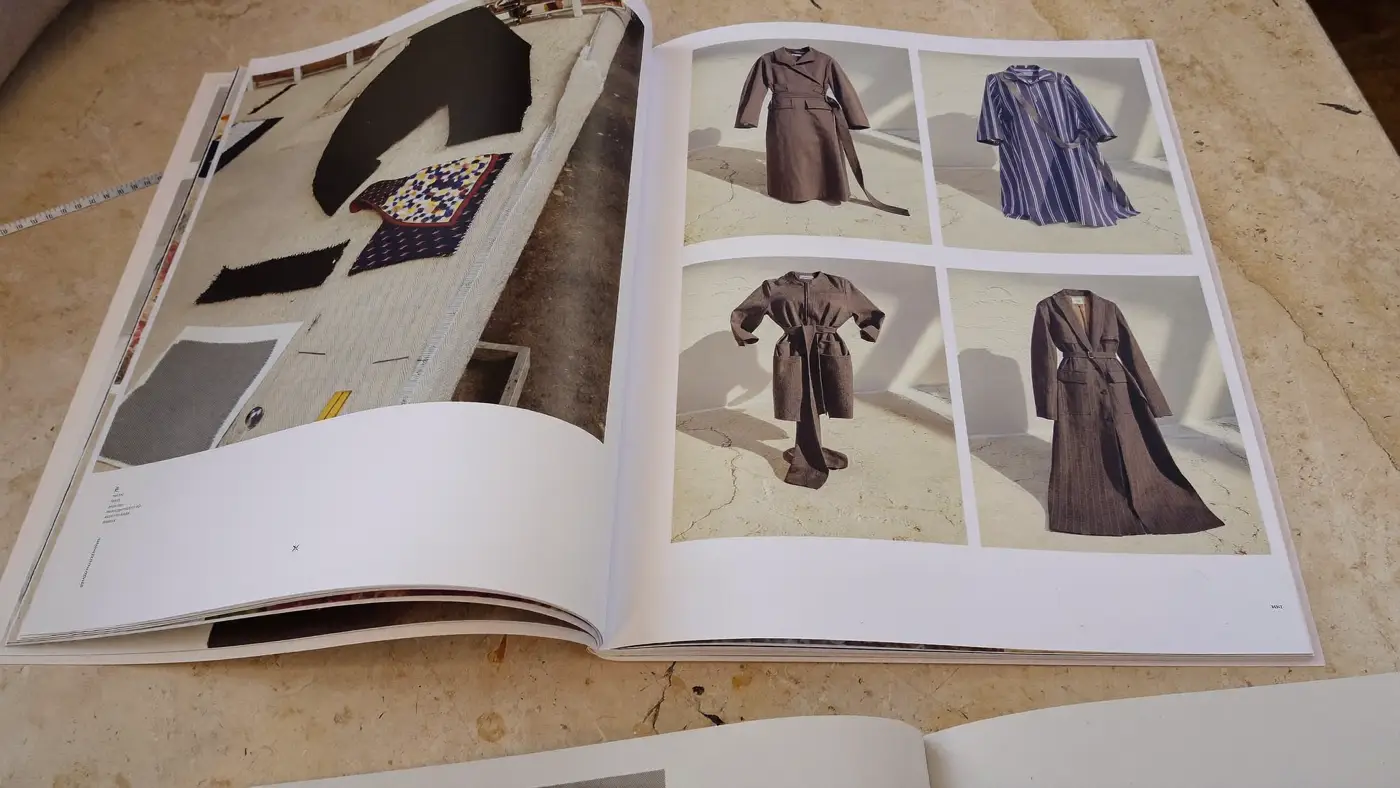
The retailer’s appeal comes from its products and how easy they are to discover. Programme explanations should support that appeal, not compete with it. We would use product-led creative with a clear participation message, and avoid layouts where operational language crowds out the reason the shopper clicked in the first place.
That needs written guidance, because several teams will be producing assets at speed. It should cover how promotional messaging sits alongside campaign photography, where partner identification goes and how much explanation belongs in each format. This is the work of campaign art direction across formats: one visual decision made carefully, then applied consistently from a story frame to an email header to a product page, so that the fourth asset looks as considered as the first.
The same principle applies to a single retailer at home. If you want the shopper’s side of the problem in more detail, our note on rewards at the apparel purchase decision starts from the basket rather than the market.
One calendar, three channels
The record describes marketing calendars, funnel development and campaigns across acquisition, engagement and retention. For a fashion programme, the calendar connects programme activity with relevant shopping periods and leaves honest time for approvals and production. A campaign loses most of its value if the offer is signed off after the products or the season have moved on, and regional approval adds steps that a global calendar often forgets.
Each communication maps to a specific next action. An introductory advertisement directs people to programme information. An email to registered participants points them to an applicable shopping destination. Follow-up content answers the uncertainty that response patterns reveal. Because nobody sees every message, each one has to make sense on its own.
How depth changes by channel
Social
Product first, one line on the offer and a single destination. No conditions in the frame; it has to work in a second or two on a small screen.
Written for people who have already joined or shown interest. Room for a short explanation, the relevant category and one clear button.
Destination
Where the full explanation lives: how participation works, what applies and what happens next, in the market’s own phrasing.
The offer stays the same in all three. Only the depth changes. If the social frame, the email and the page describe the offer in three different ways, the customer has to reconcile them, and many will not bother.
Built for a short mobile session
Fashion discovery often happens in short sessions on a phone, between other things. The communication has to be easy to scan. The primary action should appear early, product imagery should load reliably, and programme explanations should avoid dense blocks of terminology. The important conditions still need to be easy to find, especially those that decide whether the customer can use the offer at all.
We would review the landing page against the creative promise, in the local language, on a mid-range phone. A mismatch between advertisement and destination creates doubt even when both look attractive on their own. The visitor should recognise what brought them there and see immediately how to continue. Small wording changes matter here: a regional edit to a headline can quietly alter how a shopper reads eligibility on the next screen.
Approval, measurement and what not to claim
Regional approval should cover the destination as well as the headline. Reviewing the whole sequence together keeps the meaning intact across channels, rather than approving attractive assets that leave the shopper with different instructions at each stage. The same language standard carries into follow-up material, so a natural introductory message is not followed by awkward instructions.
Approval sequence
- Regional language reviewNative-speaking reviewers check idiom, tone and comprehension in the shopping context.
- Proposition checkConfirm the adapted copy still says exactly what the approved offer says, including its conditions.
- Destination reviewCheck the page in the local language, on a phone, against the promise in each channel.
- ReleasePublish once all three are signed off, with reporting labels agreed in advance.
A review of the work would look at audience acquisition, subscriber quality, engagement and participation, separated by market and campaign wherever the data allows. A total audience figure is useful, but it can hide weak retention or a result concentrated in one segment.
The wider programme reported a collective subscriber result, which is set out with its qualifications in our account of the loyalty programme system. That figure is not specific to this retailer, and a credible anonymous note keeps the distinction intact.
Localisation questions to settle before production
Who owns the language? Decide whether regional copy is written locally and approved centrally, or written centrally and adapted locally. Each works; mixing the two without saying so creates rework.
How familiar is the audience with the programme? A market where few people know the programme needs more introduction and less reminder. Plan the calendar around that, not around the global rhythm.
Who reviews the conditions? The wording of eligibility and terms needs a named reviewer in the market, as well as legal sign-off, because a translation can be accurate and still be misread.
The result is a practical model for regional marketing. The global identity stays recognisable, the communication makes sense locally and the next step is easy to follow. If you want to see the same discipline applied to operations rather than campaigns, our note on adapting an international food platform for India covers it at platform level.