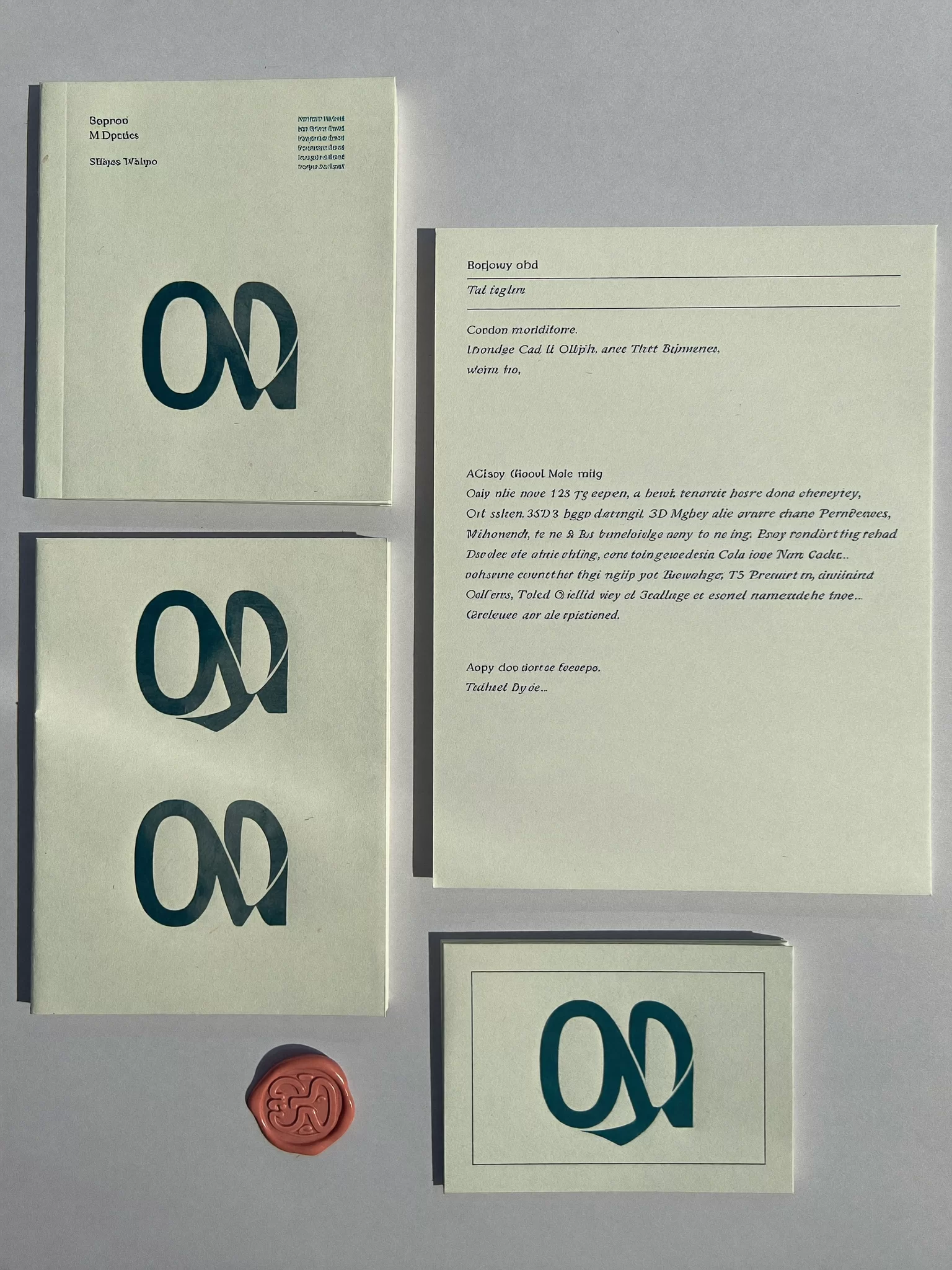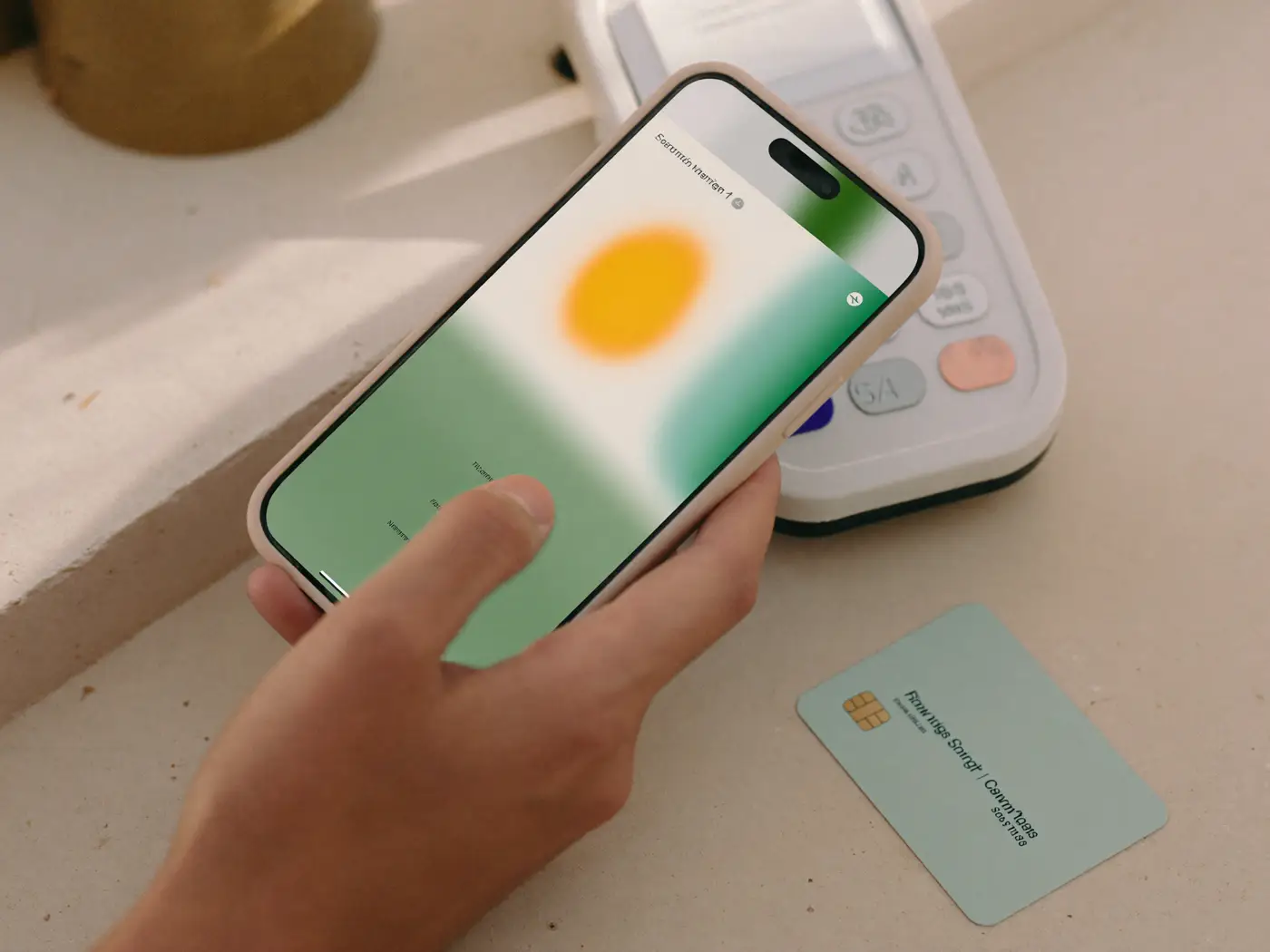
A retailer spends years learning how to talk to its customers. A new partner programme can undo that in one email. The programme arrives with its own vocabulary, its own approval rules and a sign-up step customers have never seen. Suddenly the newsletter that usually sounds warm and direct reads like a terms-and-conditions page with someone else’s logo in the corner.
The brief in this situation is to make the extra proposition understandable while keeping the customer’s sense that they are still dealing with the same business. This note draws on work within an international loyalty portfolio that our founder was part of, for a consumer retail account. The record says little about the brand’s category, market or individual campaigns, so we keep the description broad and set out the approach rather than invent a product range or a result.
Message hierarchy
Retailer promise
Why the customer shops here at all. This stays first and keeps the retailer’s own tone of voice.
Programme explanation
What the programme makes possible with this retailer, in one sentence, with the condition that matters most.
Customer action
The single next step, named in plain words, with a destination that shows it immediately.
When a partner programme speaks in an unfamiliar voice
Programme teams are fluent in their own operating model. They talk about platforms, integrations, earn rates and partner tiers, because that is the work in front of them. Customers do not care about any of it until they understand what becomes possible for them. The job is to translate the operating model into a clear choice, without stripping out the conditions that affect that choice.
The danger runs in two directions. Write too much in the programme’s language and the retailer sounds like a stranger in its own channels. Write too loosely and the offer becomes a vague promise that the destination page then has to qualify, which feels like a bait and switch even when nobody intended one.
Start with the benefit a customer can grasp in one reading
We begin with the single benefit a customer can understand on first read. Then we look at the customer’s existing relationship with the retailer, because the right amount of explanation depends on it. A frequent buyer may need only a short introduction. A new visitor needs more context. An existing programme member may already understand the mechanics and simply needs a reason to use them with this particular retailer.
Those three readers should not receive the same message. Where the data allows the retailer to tell them apart, the explanation can be shortened or extended accordingly. Where it does not, the default message should serve the least familiar reader, with the detail arranged so that experienced customers can skip it.
A simple test helps settle arguments about the proposition. Ask someone outside the programme team to read the draft opening once and then say, in their own words, what they could do and what they would need to do it. If their answer includes a programme term they cannot explain, or misses the condition that matters, the sentence is not ready. This takes ten minutes and saves rounds of review comments that circle the same confusion without naming it.
It also exposes a common tension. The programme owner wants the full benefit described; the retailer wants a line that sits comfortably in its usual tone. Usually both can be satisfied by putting the benefit in the retailer’s words and the precise mechanics one click away, with nothing in the short version that the long version contradicts.
A messaging framework teams will actually use
Before anyone writes an email subject line, we define the main proposition, the supporting explanation and the next action. The result is a consistent brand messaging framework: short enough to fit on one page, specific enough to stop vague promotional copy creeping in. It also lists the terms that always need explaining and the claims that need approval before they appear anywhere.
The framework earns its keep when the message travels across email, social posts, advertising and website pages. Each channel has different space and attention, but the meaning should not change. A short advertisement introduces the action. The destination page explains it. A follow-up answers the questions that remain. Alongside it sits editorial guidance for campaign teams: approved phrasing for the programme name, how to describe the main condition in under twenty words, and which words belong to the retailer’s voice and which to the partner’s.
The same discipline applies when one programme is adapted for a different regional audience. The words change; the meaning and the order of information should not.
Approvals that add up to one experience
Partner campaigns usually pass through several approval teams, and each is right about its own piece. The retailer reviews identity and the customer promise. The programme owner checks participation details. Operational teams confirm the destination and availability. Without a shared brief, those reviews produce assets that are individually correct and collectively inconsistent.
Partner approval responsibilities
| What needs confirming | Role that confirms it | The question they answer |
|---|---|---|
| Identity | Retailer brand owner | Does this still look and sound like us, and is the partner shown as agreed? |
| Proposition | Programme owner | Are the benefit, eligibility and conditions described accurately? |
| Destination | Retailer e-commerce or web owner | Does every link land on a page that shows the promised opportunity, on a phone? |
| Reporting | Campaign or analytics owner | Have we agreed what counts as a result, and can we measure it for this campaign? |
Each campaign gets an agreed audience, action, destination and information hierarchy before production starts. The visual framework specifies how retailer and partner appear together: whose identity leads, where the partner mark sits, how large it can be. Templates remove repeated decisions, while leaving room for campaign-specific content so every message does not collapse into the same generic announcement.
Designing the next step and learning from the response
The customer should be able to connect the message with the destination instantly. If an email promises a particular opportunity, the page should show that opportunity above the fold. If taking part requires an unfamiliar step, a short explanation should appear before the visitor is asked to complete it, not after. On a small screen this is easy to get wrong: a clear message turns into a long scroll through partner logos and conditions. Organising the supporting detail around the questions customers actually ask is editorial work as much as interface work.
Read the journey in sequence
- EmailDoes the subject line and opening describe the same offer the page will show?
- DestinationCan someone arriving from the email see the promised opportunity and the next step without scrolling past partner material?
- Follow-upDoes it answer the questions the first two left open, rather than repeat the introduction?
Reading the email, advertisement and destination in that order is the simplest check we know. It shows whether important context disappears between channels or an instruction quietly changes, and it makes approval look much more like the customer’s own experience of receiving and acting on the message.
Response is then reviewed across the whole sequence rather than asset by asset. A weak result may point to the wrong audience, a vague proposition or an unclear destination, and the reporting discussion should help the team decide which is most likely. Where the data permits, separate new programme participants from existing users returning. That tells you whether the next campaign should explain the basics again or build on familiarity. Recurring customer questions belong in the next brief too, as concrete material for the creative team.
No individual sales or subscriber result exists for this account in the record. The collective figure stays with the programme-wide account, where partners, members and buyers are discussed together. What this case shows is the organising skill: strategy finds the customer relevance, brand work protects recognition, copy makes the action clear, campaign management keeps teams aligned and reporting gives the next conversation a factual basis.