

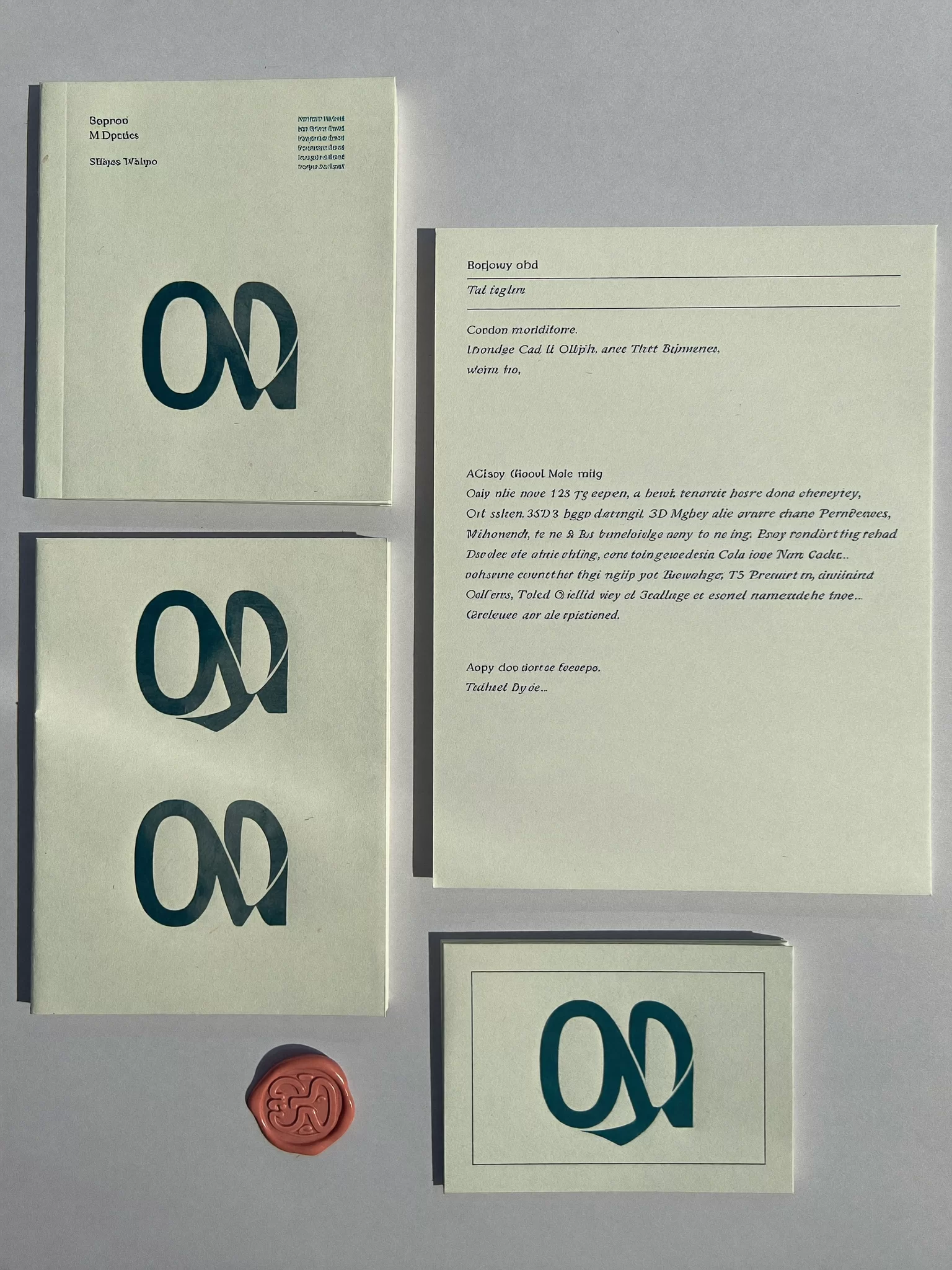
Most rebrands fail after launch day, not before it. The new logo is approved, the board likes the film, the website goes live. Then a distributor in another country prints the old brochure again because nobody sent the new one. A sales engineer opens a three-year-old deck in front of a buyer. Search traffic falls because two hundred product URLs changed overnight. The design was right. The migration was missing.
We treat rebranding as two pieces of work that have to be planned together: deciding what the brand should become, and moving everything the company already owns across to it without losing the customers, rankings and goodwill that took years to build. That second half is less glamorous and far more expensive to get wrong.
Rebrand or refresh: how do you know which one you need?
Plenty of companies arrive asking for a rebrand when a refresh would do, and a few ask for a refresh when the real problem is that the brand no longer describes the business. The question is not whether the logo looks dated. It is whether the brand still tells the truth about what you sell, to whom and why you are better at it.
- A refresh fits when the strategy is sound and recognition is valuable, but the execution has drifted: tired typography, inconsistent colour, an identity that breaks on a phone screen or a 16-pixel favicon.
- A rebrand fits when the business has changed underneath the brand: a merger, a new ownership structure, a move from components into systems, a shift from domestic to export markets, or a name that now limits where you can go.
- Neither fits when the real issue is sales process, product or pricing. We will tell you that, because a new identity will not fix it.
We start with a short audit of how the brand is understood by customers, the sales team and the people inside the company, set against where the business is heading. If the answer is a refresh, the work moves to our identity design team. If it is a rebrand, it begins with brand strategy.
Brand architecture: what is the parent, and what are the children?
Growing companies collect names. An acquired business keeps its old logo, a product line becomes famous on its own, a new division invents a name in a hurry. Five years later a buyer at a trade show cannot tell which of your three logos is the company. Brand architecture is the decision about how those names relate, and it shapes everything from the website menu to the business cards.
| Model | How it works | When it suits |
|---|---|---|
| Masterbrand | One name across everything; products are described, not branded. | Engineering and B2B companies where trust in the company carries the sale. |
| Endorsed | Products or divisions have their own names, backed visibly by the parent. | Acquisitions with their own loyal customers, or ranges aimed at different buyers. |
| House of brands | Separate brands with little or no visible link to the owner. | Consumer portfolios where brands compete for different shoppers or price points. |
Most real companies end up with a hybrid, and that is fine as long as the rules are written down. We document which names survive, which are retired, how endorsements appear and who decides when someone wants to name something new.
How do you rebrand without losing customers?
Customers do not leave because of a new logo. They leave because they cannot find you, cannot tell whether the invoice is genuine, or assume the company has been sold and the people they trusted have gone. Every one of those is a communication failure, and every one can be planned for.
We write the change story before we design the launch: what is changing, what is not, and why it is good news for the customer. Existing accounts hear it from their account manager before they see it on social media. Distributors and partners receive their kits weeks ahead, with artwork they can use straight away. Invoices, order confirmations and email signatures change on a set date with a short line explaining the new name, so finance teams do not reject your payment requests.
The quietest risk is the long tail: the spare parts catalogue, the safety data sheet, the packaging artwork at a co-packer, the app store listing nobody remembers owning. We build a full inventory early, give every item an owner and a replacement date, and agree which items can wait for their natural reprint rather than being thrown away on day one.
Keeping your search equity through a name or domain change
A rebrand that changes the domain or renames products can quietly wipe out years of search visibility. Old URLs return errors, links from industry directories point nowhere, and people searching the old name find a competitor. We plan for search from the first week:
- Benchmark every URL, ranking and inbound link on the current site before anything moves.
- Map old to new, page by page, with permanent redirects tested before launch.
- Keep the old name findable for as long as people search it, with clear pages explaining the change.
- Update listings in directories, marketplaces, maps and partner sites, in priority order.
- Watch closely after launch and fix what breaks within days.
Our SEO team and website team work on the migration together, so the new site carries the old site’s authority with it.
Planning a rebrand across sales, events and employees?
Send us the briefRolling the new brand out to sales, events and employees
The people who carry the brand every day are the sales team, the service engineers, the receptionist and the person who answers the distributor’s email. If they meet the new brand on launch day along with everyone else, they will keep using the old material because it is what they know.
So the rollout runs from the inside out. Leadership gets a short briefing they can repeat in their own words. Employees hear the reasons first, through internal communications that explain what changes in their daily work. Sales gets new decks, proposal templates and a one-page guide to talking about the change with customers. Where a rebrand comes with a restructure, our change communications work keeps the two stories consistent.
Events deserve their own plan. A trade show is often the first public appearance of a new identity, and stand graphics, product literature and follow-up emails should all say the same thing. Our exhibitions and events team designs the stand as part of the rollout, not as a separate job.
The rebranding process
Audit and verdict
Interviews, a review of every brand touchpoint and a written recommendation: rebrand, refresh or neither.
Position and architecture
What the brand stands for, how the names relate and what gets retired.
Identity
Name if needed, logo, typography, colour and a system that works from a favicon to a factory wall.
Migration plan
An inventory of every asset, URL and document, each with an owner and a date.
Rollout and adoption
Internal launch first, then customers, partners, search and events, with checks on what is actually in use.
How long does a rebrand take, and how is it measured?
A refresh can take a few months. A full rebrand with a new name, a domain change and a large catalogue usually takes longer, and the rollout continues well after launch because printed material, signage and packaging change on their own replacement cycles. We quote a fixed fee for the agreed scope and price later phases up front; see how we charge.
We agree what success means before we start: recognition among the people who matter, enquiry levels holding through the change, search visibility recovering to its benchmark, old material retired from circulation. Our approach is set out in how we measure. The case notes below come from our team’s experience in earlier in-house and programme roles, and show how identity decisions hold up once they meet everyday operations.
Often paired with this work: naming and research and insight.