
Your company is described every day by people you have never briefed. An analyst summarising your results in three lines. A journalist looking for context on a deal. A graduate deciding between two offers. A procurement head at a customer, explaining to her board why you are a safe supplier. Each of them tells a version of your story, and if you have not given them a clear one, they borrow whatever is lying around: an old press release, a competitor’s framing, a forum thread.
Quiamo is a corporate communications agency for companies that have grown faster than their story. We work with chief executives, heads of corporate affairs and investor relations teams to decide what the company stands for, prove it, and say it the same way in the annual report, the investor deck, the corporate film and the answer your CEO gives when a reporter calls on a Friday afternoon.
What does a corporate communications agency do?
Corporate communications covers everything a company says about itself as an organisation rather than about a single product. That includes the corporate narrative, the annual and sustainability reports, investor and analyst materials, media relations, the corporate website, leadership visibility, films, and the careful moments: results, restructurings, acquisitions and the occasional crisis.
Our corporate communications services are built around one idea. Every one of those outputs should come from the same source: an agreed narrative and a message architecture that tells each audience what it needs to believe, and the evidence behind it. When that source exists, a report takes weeks less to write, a press statement takes an hour, and nobody in the building contradicts anybody else in public.
Start with a stakeholder map
Before we write a word, we map the people whose opinion shapes your reputation and your valuation. For most companies the map is wider than the communications team expects. A typical one includes:
- Investors, lenders and analysts, who care about strategy, capital allocation and whether management does what it says.
- Customers and specifiers, especially in B2B, who read your annual report to judge whether you will still be a reliable supplier in five years.
- Employees and future employees, who hear the corporate story first through their managers and then check it against what they see.
- Regulators, industry bodies and local communities near your plants, offices and warehouses.
- The media, from trade titles that know your sector deeply to business editors who need the story explained in one paragraph.
For each group we record what they currently believe, what we want them to believe, who at your company owns the relationship and which channels actually reach them. It is a working document, meant to stay open on the desk of your head of communications long after our project ends.
Corporate narrative and message architecture
A corporate narrative is the story of where the company came from, what it is becoming and why that matters to the people listening. It is not a mission statement. It should be something your CEO can tell in two minutes at an industry dinner and your investor relations lead can defend line by line in front of an analyst.
Underneath the narrative sits a message architecture: a small number of pillars, each with proof points, adapted by audience. Here is a simplified, illustrative example for an engineering manufacturer expanding into new export markets.
| Pillar | For investors | For customers | For employees |
|---|---|---|---|
| Engineering depth | Capability that competitors take years to build | Parts that pass qualification first time | The work here is harder and more interesting |
| Global reach | Revenue spread across more regions and sectors | Local support, wherever the line is running | Projects and careers that cross borders |
| Disciplined growth | Capacity added in step with confirmed demand | Delivery dates you can plan around | Stability, and investment in people and plants |
Each cell in the real version carries two or three proof points drawn from your own data, which your finance and operations teams confirm. The architecture then becomes the brief for everything else, including the brand strategy if the corporate brand itself needs work.
Could your leadership team tell the company story the same way, unrehearsed?
Find out with usAnnual report design agency, and writers too
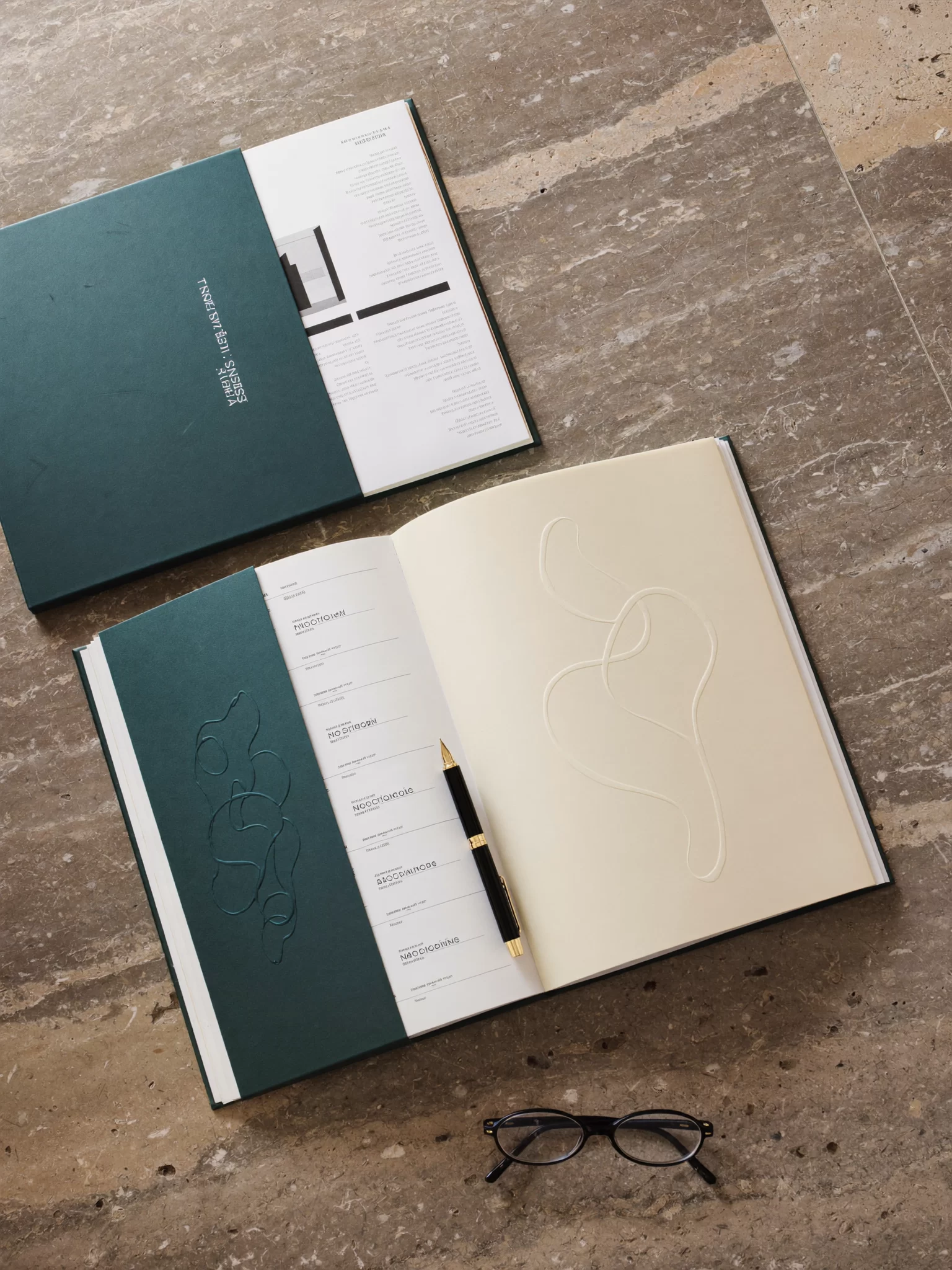
Annual reports are the most expensive document most companies produce and one of the least read. They do not have to be. A good annual report has a clear front half that tells the year’s story in the narrative’s own words, and a back half that is easy to navigate for the people who need the detail.
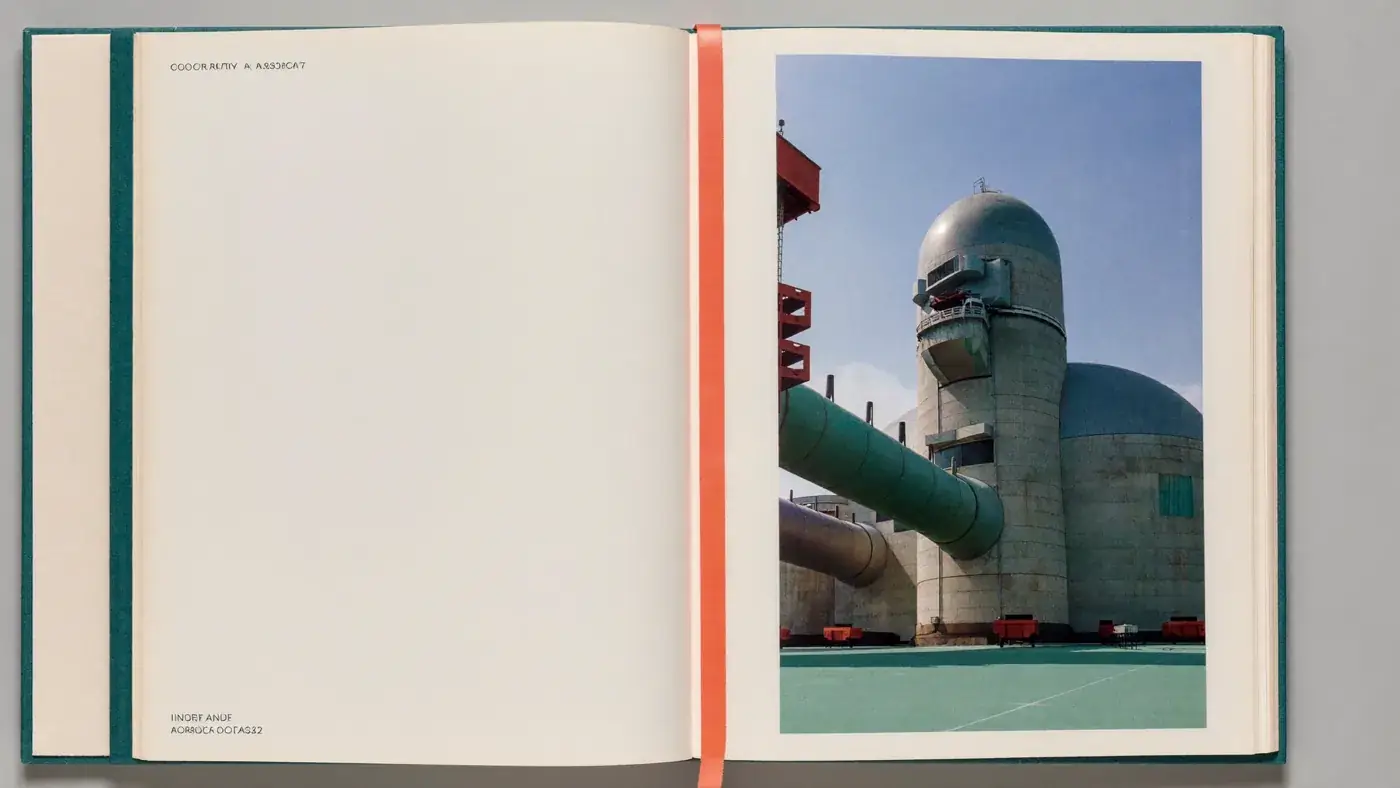
We write and design annual reports and integrated reports, from the chair’s letter and the strategy section to infographics, photography direction and the digital version for your website. We work to your timetable, which is always tighter than anyone admits in the kick-off meeting, and we build the design so late changes to numbers do not break every spread.
Sustainability and ESG reports follow the same rules, with one firm line. Every ESG figure, target and disclosure is supplied and verified by you, through your sustainability, finance and assurance teams. Our job is to make those figures understandable: a clear structure, honest charts, plain language about what is going well and what is not. We will push back on claims that sound larger than the data, because an overstated sustainability report is a reputational risk with your name on it. The full approach is on our annual and sustainability reports page.
Investor communications and analyst materials
Investor communications reward clarity above everything. An analyst covering thirty companies will give your results deck a few minutes. In that time they need to understand the strategy, the numbers that matter and what changed since last quarter.
We design and write investor presentations, results decks, fact sheets, capital markets day material and the investor section of your website. We build templates your team can update each quarter without calling us. The financial content, guidance and any forward-looking statements come from your CFO and investor relations team and are reviewed by your advisers. We do not give financial or legal advice; we make sure the story you have decided to tell is told well.
Corporate films and media relations support
A three-minute corporate film is often the first thing a new customer, investor or recruit watches. Most are forgettable because they show every building and say nothing. Ours start from the narrative, pick one or two true moments that prove it, and cut to a length people finish. Our Studio produces films, stills and motion graphics, and can build footage where filming is impractical.
For media relations we support your in-house team or PR firm: press releases and statements, media kits, backgrounders on the business, briefing notes before interviews and prepared lines on difficult topics. We work closely with our leadership communications team, so the CEO’s public voice matches the company’s. See PR and media relations for how we plan announcements and prepare spokespeople.
Reputation, M&A announcements and difficult moments
The days that test corporate communications are rarely planned. An acquisition announced to the market and to two sets of employees on the same morning. A plant closure. A product recall. A leadership change. These moments need a sequence as much as a message: who hears first, who says what, what goes on the website at 7am and what the switchboard tells callers at 9am.
For mergers and acquisitions we prepare the announcement pack: the release, the investor note, the customer letter, the employee message, manager briefing notes and questions and answers, all consistent with each other and with the disclosure requirements your advisers set. We coordinate closely with internal communications, because employees who learn about a deal from the news rarely forgive it.
For crisis work, we operate only alongside your legal counsel. They decide what can be said; we help you say it clearly, humanly and in time.
How a corporate communications programme runs
Listen
Interviews with your leadership, a review of what analysts, media and employees currently say, and the stakeholder map.
Decide
The corporate narrative and message architecture, agreed with the CEO and the board where needed.
Produce
Reports, decks, films, web pages and media materials, written and designed by one team.
Maintain
A retained rhythm around results, reporting season and announcements, on a fixed fee.
We are remote by design and work with companies worldwide over video. Our founder has spent much of his career in corporate communications for engineering-led businesses selling into global markets, and our manufacturing and industrial work shows how we translate technical depth into a story boards and buyers can follow. Fees are fixed before we start; see how we charge.
Often paired with this work: crisis communications, corporate storytelling and employer branding.