Your brand is applied every day by people you will never meet. A distributor’s designer in another country builds a brochure from a logo pulled off your website. A regional sales manager makes a deck in last year’s template because it was on his laptop. A freelance agency picks a “close enough” coral. Someone in marketing asks an AI image tool for “our product in a kitchen” and posts what comes back. None of them meant any harm. They simply could not find the rules, or the rules did not answer their question.
We write, design and build brand guidelines and brand portals that people outside your head office can actually use: the rules, the templates and the asset libraries that keep a brand consistent across regions, distributors, agencies and the AI tools your teams now rely on. The test we apply to every page is plain. Could someone who has never spoken to you produce something correct from this alone?
What should brand guidelines include?
The familiar chapters still matter. What changes is the level of detail, because the questions people actually ask are specific: can I put the logo on a dark photograph, which green is the green on a screen, can I shorten the tagline on a banner that is 300 pixels wide?
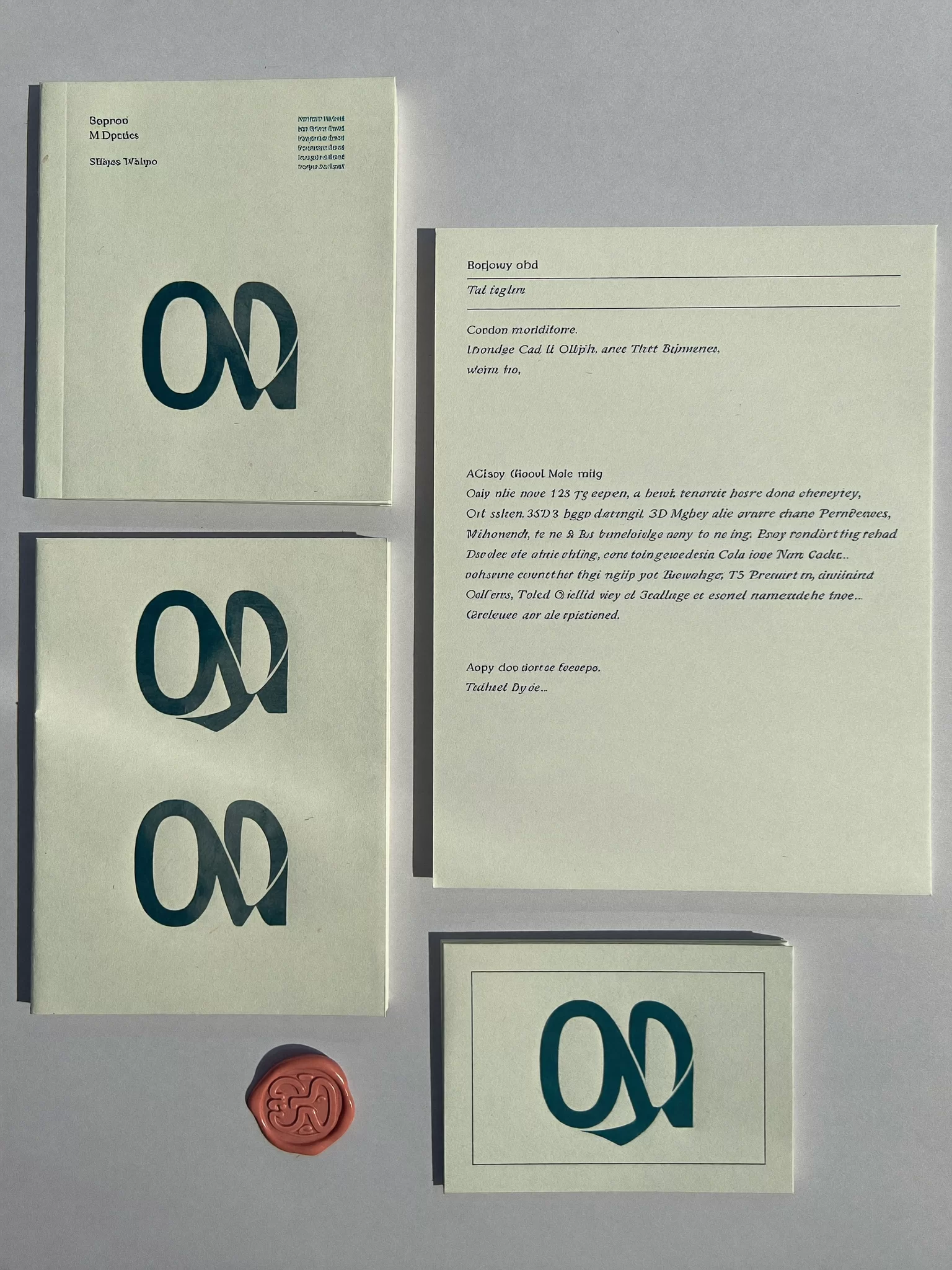
- Logo with clear space, minimum sizes for print and screen, approved colour versions, lock-ups with sub-brands and partner logos, and a short page of what never to do.
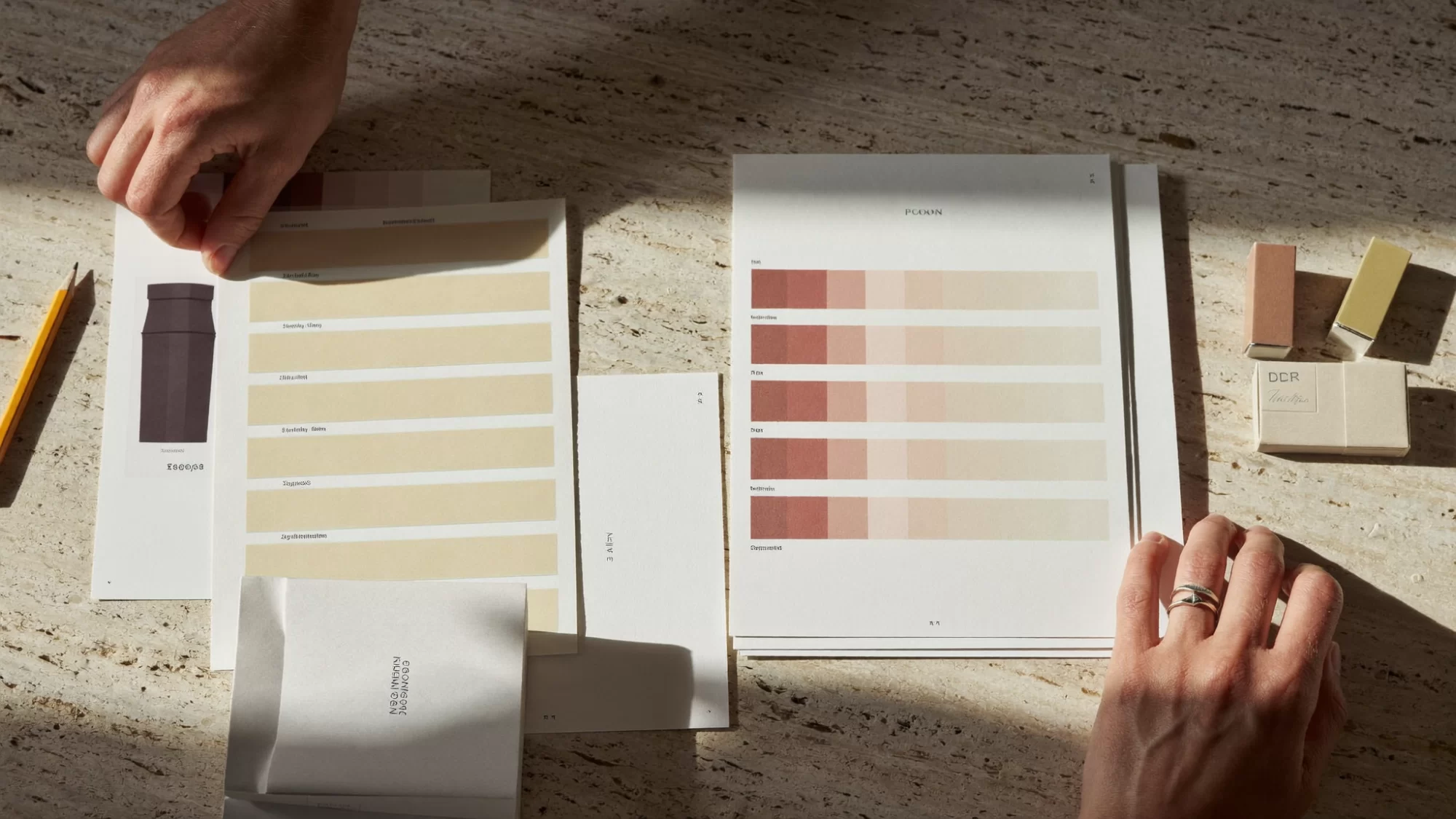
- Colour specified for every medium you use: print, screen, signage and paint, with notes on how each colour behaves on coated and uncoated stock and on a phone.
- Typography with licensed fonts, fallbacks for documents and email, and a hierarchy that works in a 40-page proposal as well as on a poster.
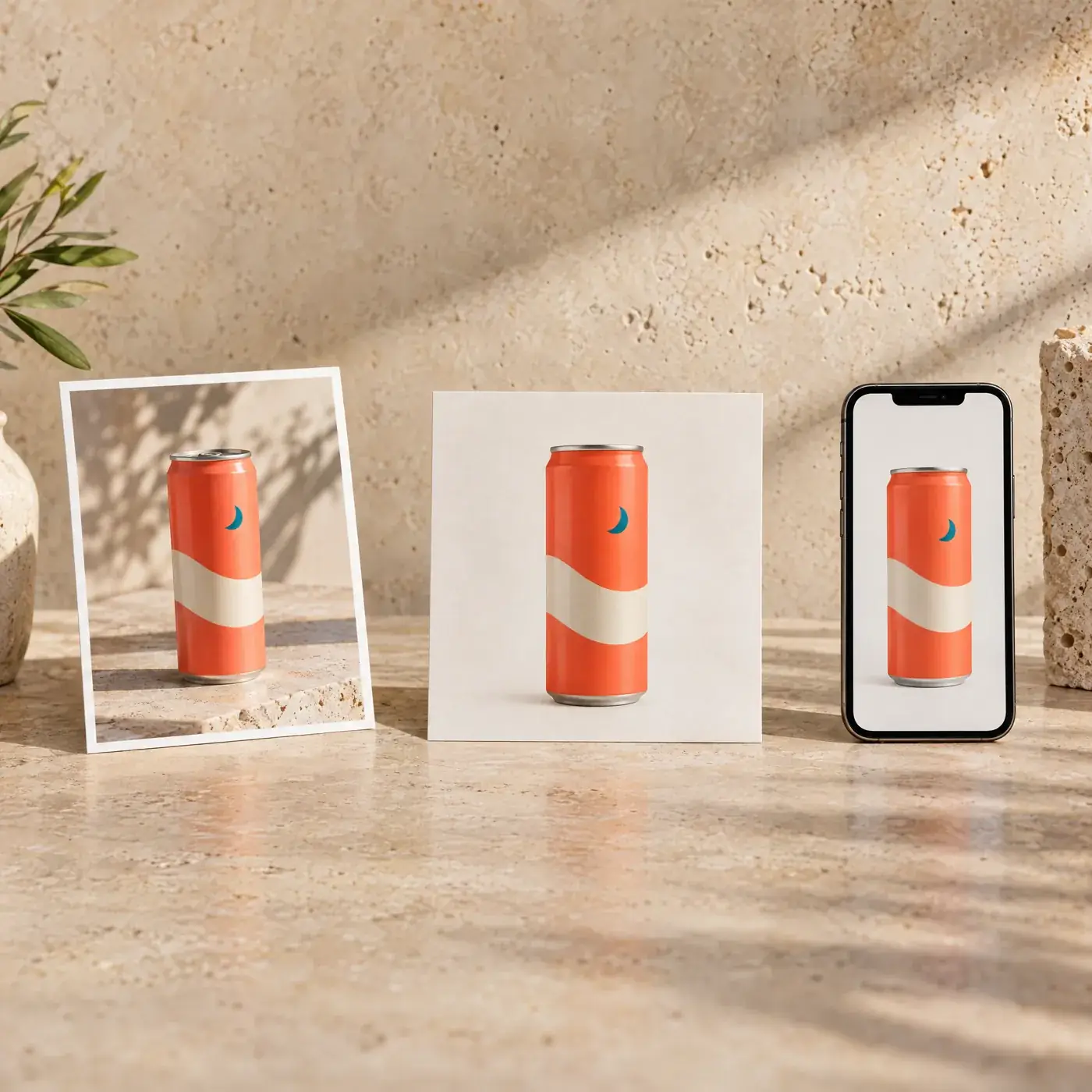
- Imagery covering photography style, product shots, illustration, icons and how people are shown.
- Tone of voice with real before-and-after examples, words you use and avoid, and how the voice shifts between a technical datasheet and a social post.
- Applications showing the rules at work on the things people make most often.
If the identity itself is not settled yet, the guidelines come after the design work of our identity design team, and the strategy behind them from our brand strategy work. Guidelines record decisions. They cannot make them for you.
Templates people open instead of rebuilding
Most brand inconsistency is not rebellion. It is convenience. If the approved template is hard to find or awkward to use, people make their own, and every copy drifts a little further. Good templates are the cheapest brand protection there is.
We build templates in the software your teams already use: presentation decks with locked masters and ready-made layouts for the slides people actually need (product comparison, case study, team, pricing); document templates for proposals, reports and letters; social templates sized for each platform; email signatures; event and trade-show artwork; and editable files for distributors who need to add their own contact details without touching anything else.
For packaging and labels we design the system: where the logo sits, how variants are colour coded, how information is ordered and how the range holds together on a shelf. Mandatory label content, such as ingredients, warnings, certification marks and legal text, is supplied and approved by your regulatory team. Our guidelines show where it goes and how it is set; they do not decide what it says. Our packaging design team builds the master artwork.
Brand portal or PDF: which one do you need?
A PDF is quick to share and easy to approve. It is also out of date the day someone downloads it and keeps it on a desktop. A brand portal is a living website: rules, downloads and templates in one place, updated centrally, with the latest version always at the same address.
| PDF guidelines | Digital brand portal | |
|---|---|---|
| Best for | Smaller teams, a single market, a stable brand | Many regions, distributors, agencies and frequent updates |
| Keeping it current | New version issued and re-sent | Updated once, everyone sees the change |
| Asset downloads | Links or a separate shared folder | Built in, with the right file format for each use |
| Access control | Whoever has the file | Logins by role, for example employees, partners and agencies |
| Ongoing effort | Low, until it goes stale | Needs an owner and a routine |
Many companies need both: a portal as the single source, and a short PDF summary for people who will only ever read ten pages. We can build the portal on a dedicated platform you license or as a protected section of your own website, working with our website team. We recommend whichever your team can realistically keep up to date, because an abandoned portal does more harm than a tidy PDF.
Keeping a brand consistent across distributors, regions and agencies
Global brands are rarely broken at head office. They are broken at the edges: a country team adapting a campaign, a distributor producing local literature, an agency briefed by someone who joined last month. Each edge needs a different level of freedom.
We define what is fixed everywhere (logo, core colours, product names, claims), what can be adapted locally (photography, language, offers, event formats) and what each partner type may produce on its own. Distributors get a partner kit with co-branding rules and editable files. Agencies get the full guidelines plus a brief template, so their work starts from the right place. Regional teams get local-language versions written by native-speaking colleagues and specialists, with examples from their own market rather than translated head-office ones.
How many versions of your logo are in circulation right now?
Send us the briefBrand guidelines for teams using generative AI tools
Your teams are already generating images, copy and video with AI tools, whether or not the guidelines mention it. Without rules, the result is a brand that slowly changes shape: products drawn with features they do not have, people who look nothing like your customers, a tone of voice averaged into everyone else’s. We write a chapter that treats AI as another production method with its own rules.
- What may be generated (backgrounds, mood images, first drafts of copy) and what may not (the logo, packaging artwork, product features, claims, real people).
- Reference material to give the tools: approved colour values, image examples, voice samples and words to avoid.
- Product accuracy rules, so a generated image never shows a product that does not exist or a feature you cannot deliver.
- Labelling and disclosure for AI people and AI imagery, in line with your own policy and the platforms you publish on.
- A human review step before anything generated is published, with a named approver.
Which tools are allowed, and the rights and data terms that come with them, are decisions for your legal and IT teams; the guidelines record them clearly. Our Studio makes AI imagery and AI talent every day, so the rules we write come from practice rather than theory.
Governance: who owns the brand once the agency leaves?
Guidelines without an owner decay quickly. New products launch with improvised names, a region asks for an exception and gets three different answers, the template folder fills with “final_v2” files. We set up the routine that keeps the system alive:
Audit
Gather what is in circulation today, from decks and brochures to distributor material, and find where the brand is breaking.
Rules and templates
Write the guidelines, build the templates and organise the asset library.
Owner and approvals
Name a brand owner, define what needs approval and set a simple route for requests and exceptions.
Launch and training
Short video briefings for internal teams, partners and agencies, recorded so new joiners can watch them later.
Review
A regular check of what is being produced, with the guidelines updated as real questions come in.
Guidelines often arrive as part of a rebrand, where they are the tool that moves everyone across to the new identity. They are just as useful for an established brand that has drifted. We charge a flat fee for the agreed scope, with any ongoing portal maintenance priced separately; see how we charge. The notes below come from our team’s experience in earlier roles, keeping a brand recognisable across partners, programmes and audiences.