
A charging business may need a site owner to understand installation responsibilities before requesting a discussion. These are different decisions, even when every team calls its work a launch.
Begin by naming that decision. It gives the website, film, presentation and follow-up a shared job. Without it, a team can produce a full set of attractive assets and still leave the buyer wondering what to do next.
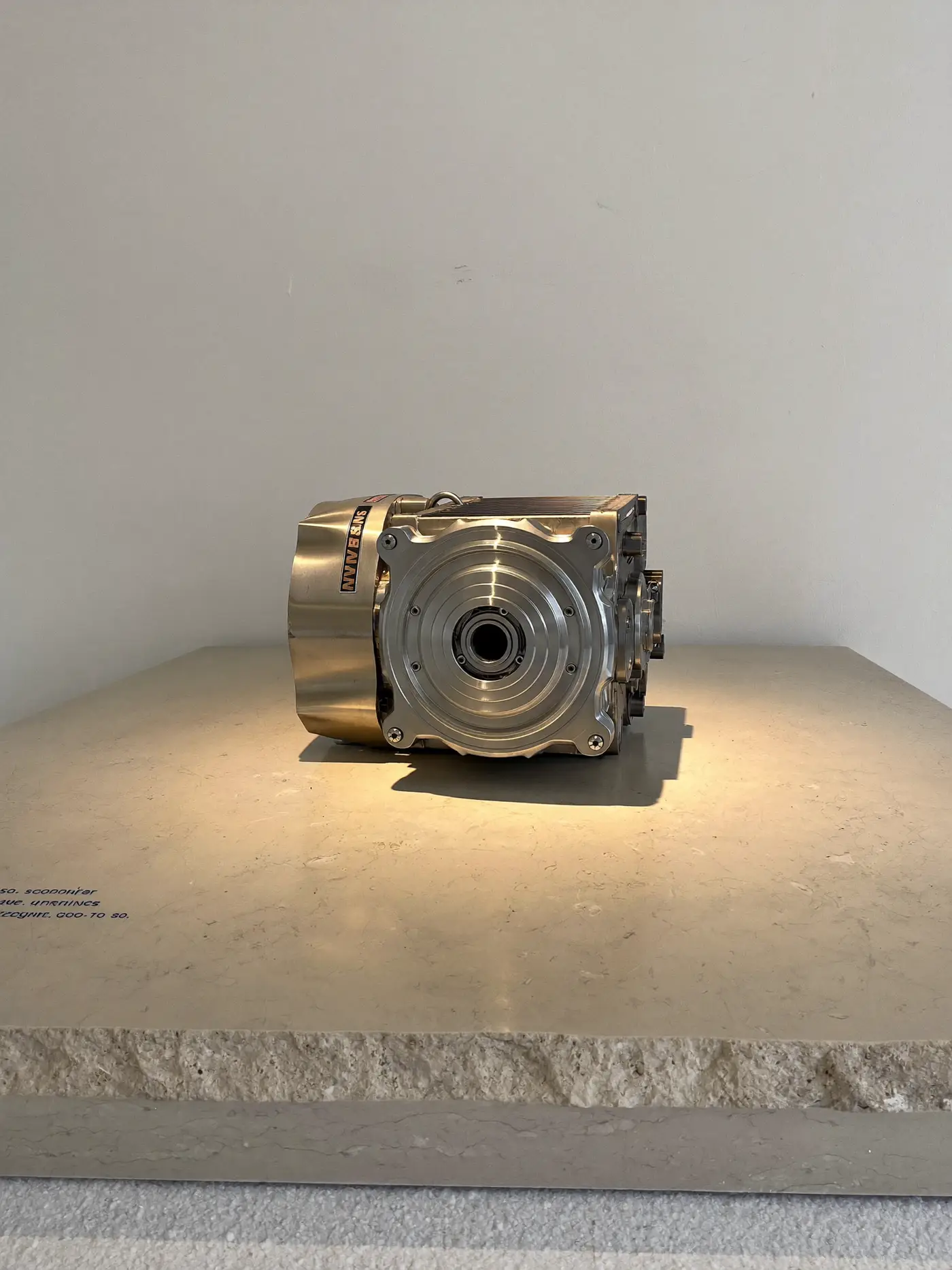
Conceptual image, not client work.
Write separate briefs for separate audiences
Vehicle buyers and dealers
A potential driver needs a clear account of the available product, variants and ownership experience. Dealers need accurate material they can use in conversation. Confirm which features and availability statements apply to the launch market. The consumer landing page and dealer presentation should agree without containing the same level of detail.
Component evaluators and purchasing teams
Engineers may need application context, operating limits and a route to approved documentation. Purchasing teams may need supply and commercial discussions. Do not make one generic brochure carry every job. Build a clear path from an application explanation to the right technical or sales contact.
Charging partners and site owners
A charger photograph says little about the decision a site owner faces. Explain the intended use case, who assesses suitability, what information is needed next and who answers operational questions. Marketing copy should not invent installation requirements or replace engineering advice.
Agree what can be said before production begins
A claim register is a small document with a large practical benefit. List each important statement, the evidence behind it, the person who approves it and the channels where it will appear. Include limitations and market-specific conditions. A creative team should not have to decide whether a performance number applies to every variant.
Do the same for images. A concept vehicle, illustrative interface or AI-generated scene should be labelled appropriately. Avoid showing unsupported features because they look convincing. Product shots and animations need review by someone who knows the real product, especially when connectors, displays or moving components are visible.
A useful approval question
Ask: “Could a reasonable buyer read or see this and expect something the delivered product does not provide?” If the answer is uncertain, return to the product owner before the asset reaches production. The solution may be a clearer caption, a narrower claim or a different visual.
Build the destination before buying the attention
The launch page should answer the questions raised by the campaign. Explain the product and audience, show approved evidence, state the next step and make contact easy on mobile. If there are several audiences, use distinct links such as “Discuss an application” and “Ask about dealership information” rather than a single unexplained “Learn more”.
Check where every form submission goes. The receiving team needs product interest, market and enough context to respond. Keep optional questions optional. A long mandatory form can prevent a useful first conversation when the buyer is still exploring the offer.
Explore product launch support
Have a product summary, an audience and a date?
Discuss a launchUse readiness gates rather than an arbitrary countdown
Four workstreams need to meet at launch: product information, content and creative, the digital destination, and sales follow-up. Each has an owner and a readiness check. Product information needs approved claims. Creative needs approved assets. The destination needs working pages and forms. Follow-up needs a responsible team and an agreed first response. A calendar date does not remove an unresolved dependency.
- Confirm product, audience, launch geography and intended buyer action.
- Assign claim owners, reviewers and final approval responsibility.
- Prepare the landing page, core explanation and essential sales material.
- Test the enquiry journey from the campaign link to the receiving team.
- Brief the people who will handle questions and record objections.
- Release the campaign with monitoring and a route for urgent corrections.
- Review enquiries and sales feedback before increasing distribution.

Measure progress at the decision point
Reach can tell you how widely the message travelled. It cannot tell you whether the right buyers understood it. Define a small set of measures around the intended next step: relevant technical enquiries, completed test-drive requests, qualified dealer discussions or suitable site-owner conversations.
Separate campaign problems from operational problems. If relevant enquiries arrive but remain unanswered, changing the creative is unlikely to fix the main issue. If many enquiries concern an application the product does not support, the message or targeting may need attention.