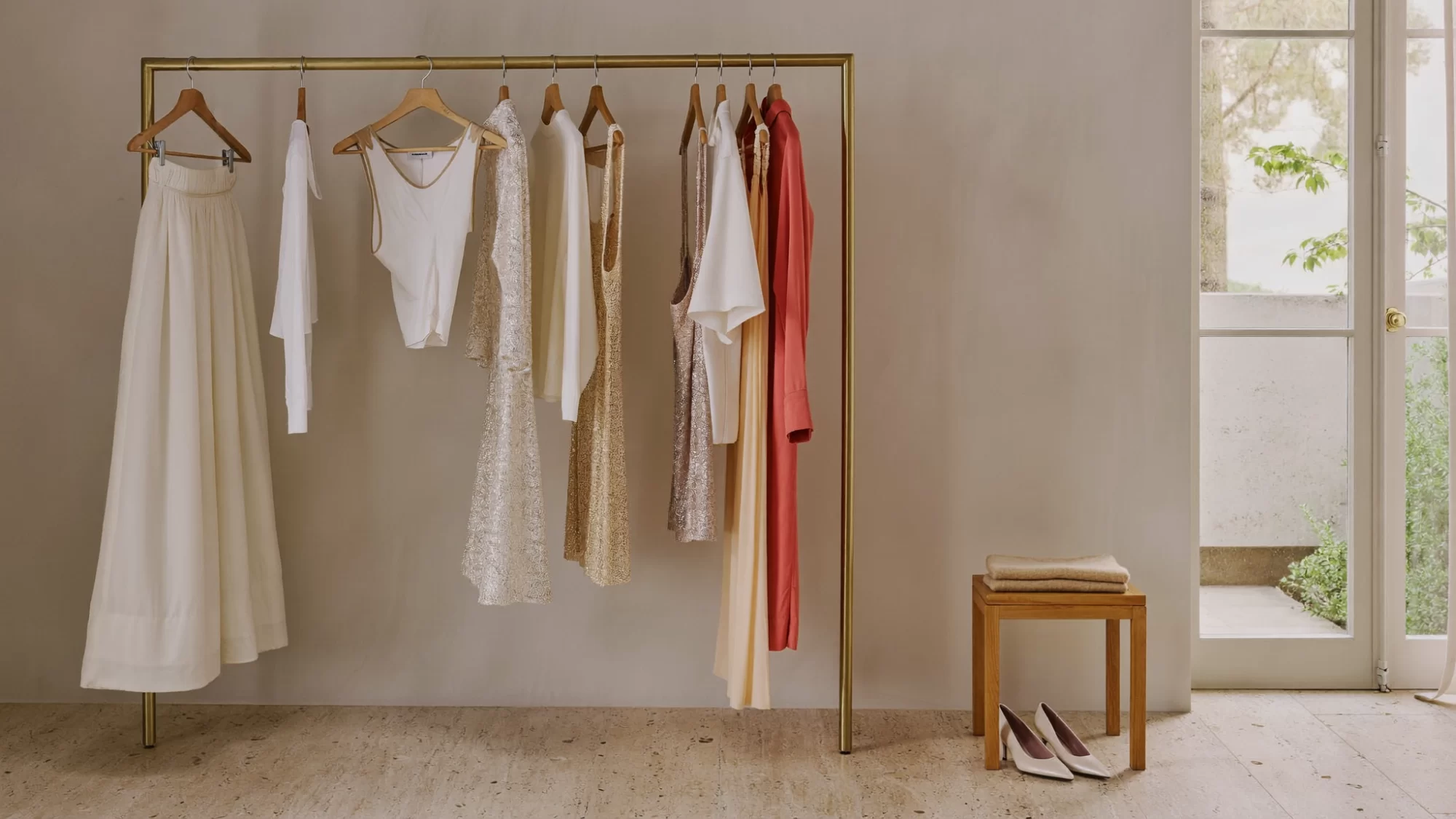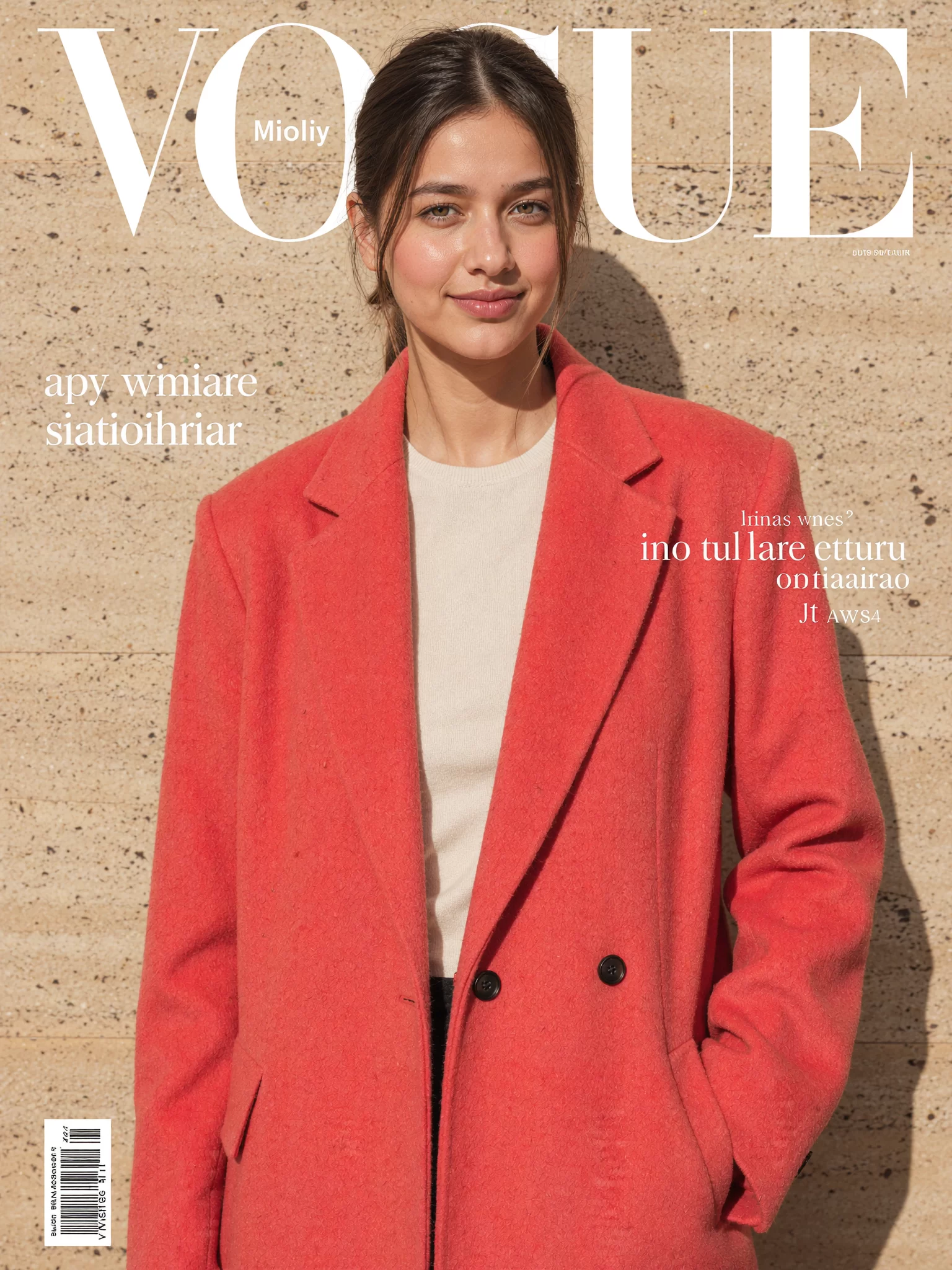
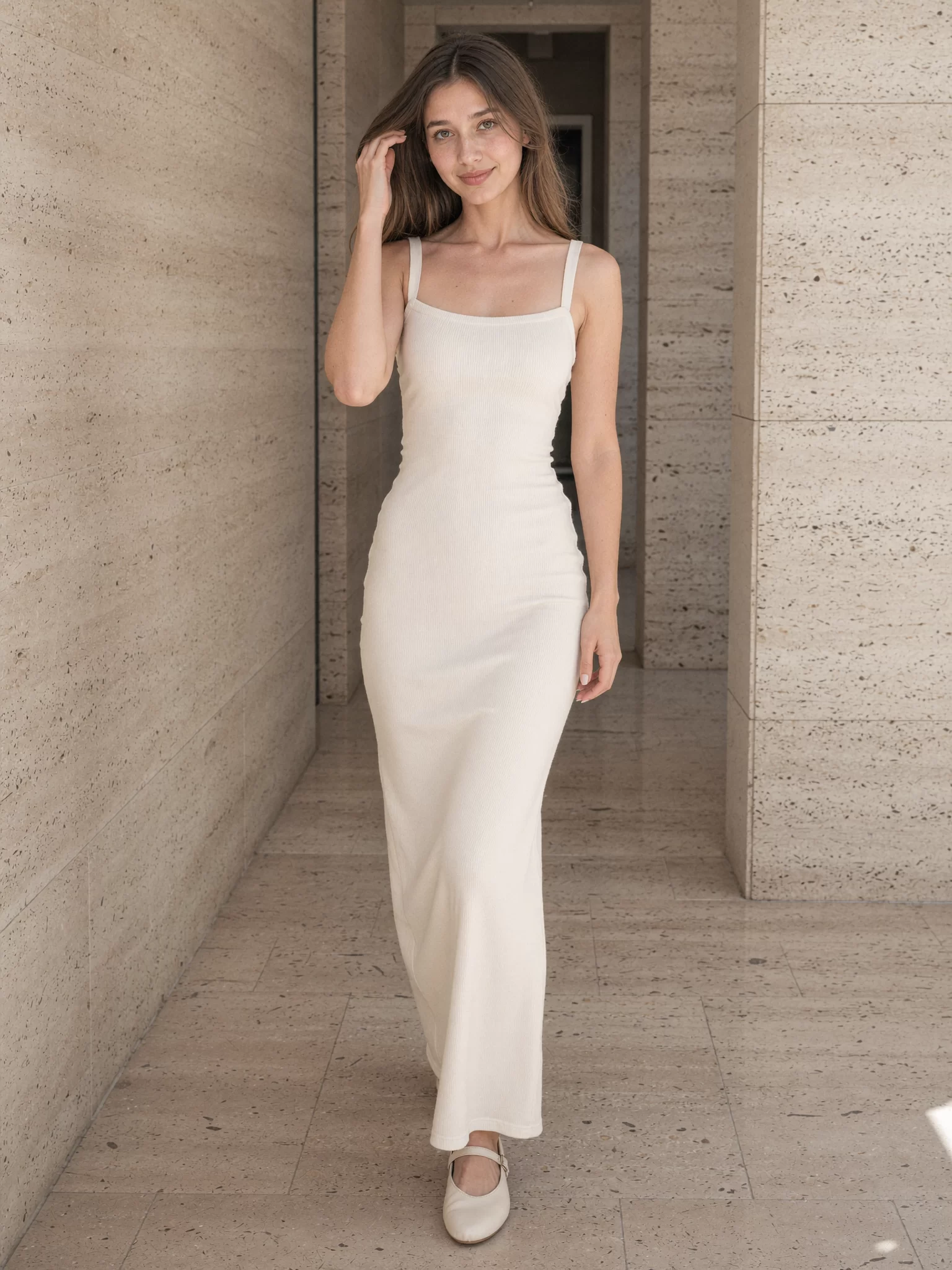
Most fashion brands have good clothes and no world. The product is well cut, the fabric is right, the price is fair, and the Instagram grid looks like a hundred other labels shot against the same white wall. Editors scroll past. Stylists do not call. Customers buy once in a sale and forget your name. As a fashion branding agency, we start by building the thing that makes people remember: a world with its own light, its own places, its own kind of person, that an editor would want to shoot in and a customer would want to live in.
We work with ready-to-wear labels, occasion wear, menswear, athleisure, accessories and craft-led brands, from a designer launching a first collection to an established apparel business that has grown faster than its brand.
Whatever the size, the brief usually sounds the same. The collection is strong, the shoot budget is fixed, the drop date is close, and the brand still looks like it was put together in a hurry. We fix the world first, because everything else hangs on it.
What makes a fashion brand identity last longer than a season?
Trends change every few months. A brand identity has to outlive them. The labels that last have a point of view that is bigger than any single collection: a way of dressing, an attitude, a reference that the clothes return to.
We find that point of view in the brand strategy stage by asking uncomfortable questions. Who would never wear you? What do you refuse to make? Which three images, none of them clothes, feel like your brand? The answers become a short brief that every future collection, campaign and collaboration can be judged against.
Then we design the apparel brand identity that carries it. A wordmark that works on a woven neck label, an embroidered cuff and a website header. A colour palette with room for seasonal accents. A typeface that looks as good on a shipping label as on a lookbook cover.
Fashion campaign art direction
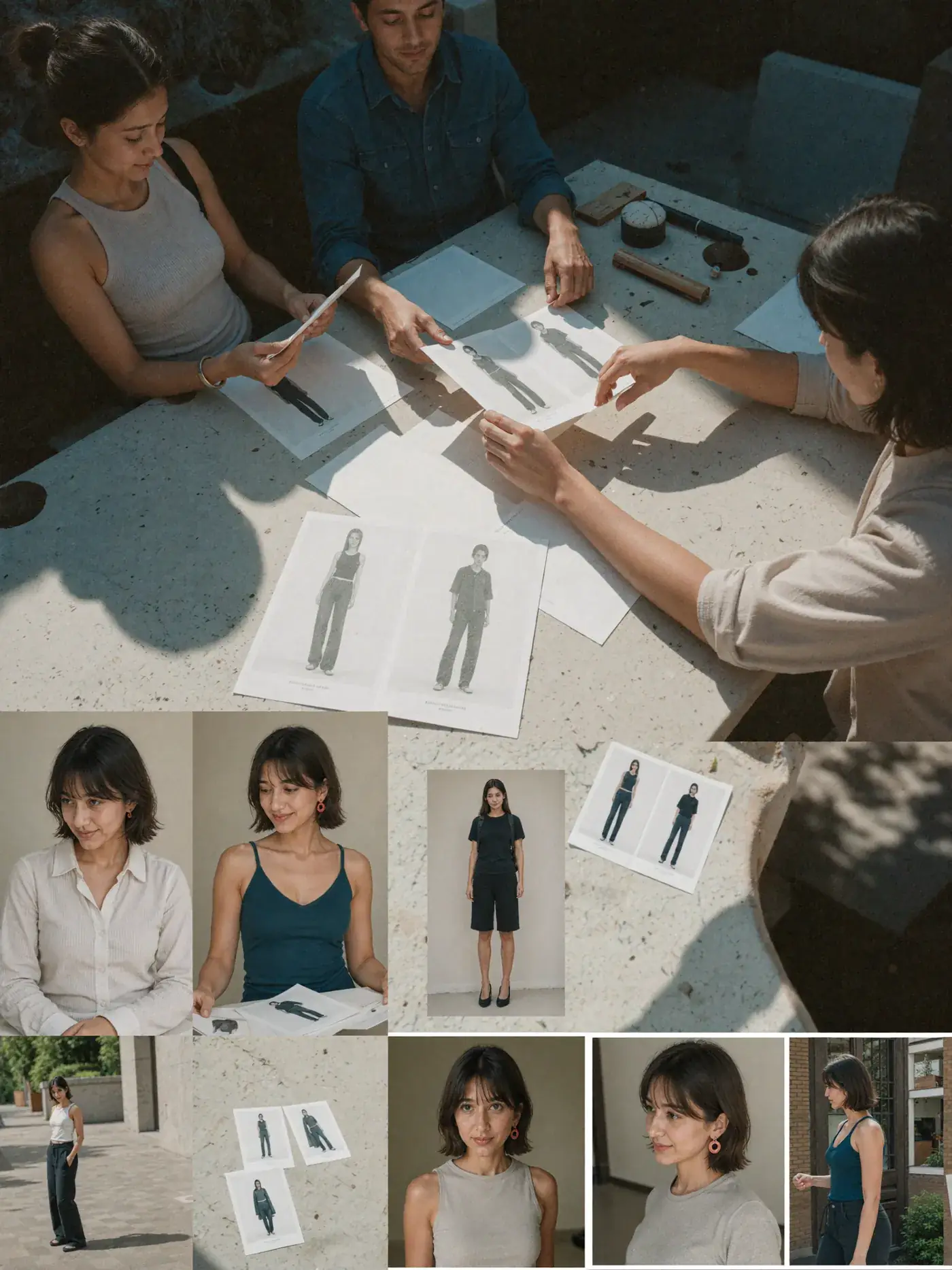
A campaign is where the world becomes visible. It needs a location or a set, a light, a cast, a styling rule and a single idea that ties the season together. We direct every one of those decisions and write them into a shoot bible before anyone books a studio.
We think about the whole life of a campaign at the brief stage. The same shoot has to deliver a hero image for a billboard or a homepage, a portrait crop for a story, a square for a marketplace listing, a short film for a reel and dozens of product-on-body shots for the site. Planning those outputs in advance is the difference between a campaign that fills six months of content and one that produces three good pictures.
Fashion lookbook production, from shot list to PDF
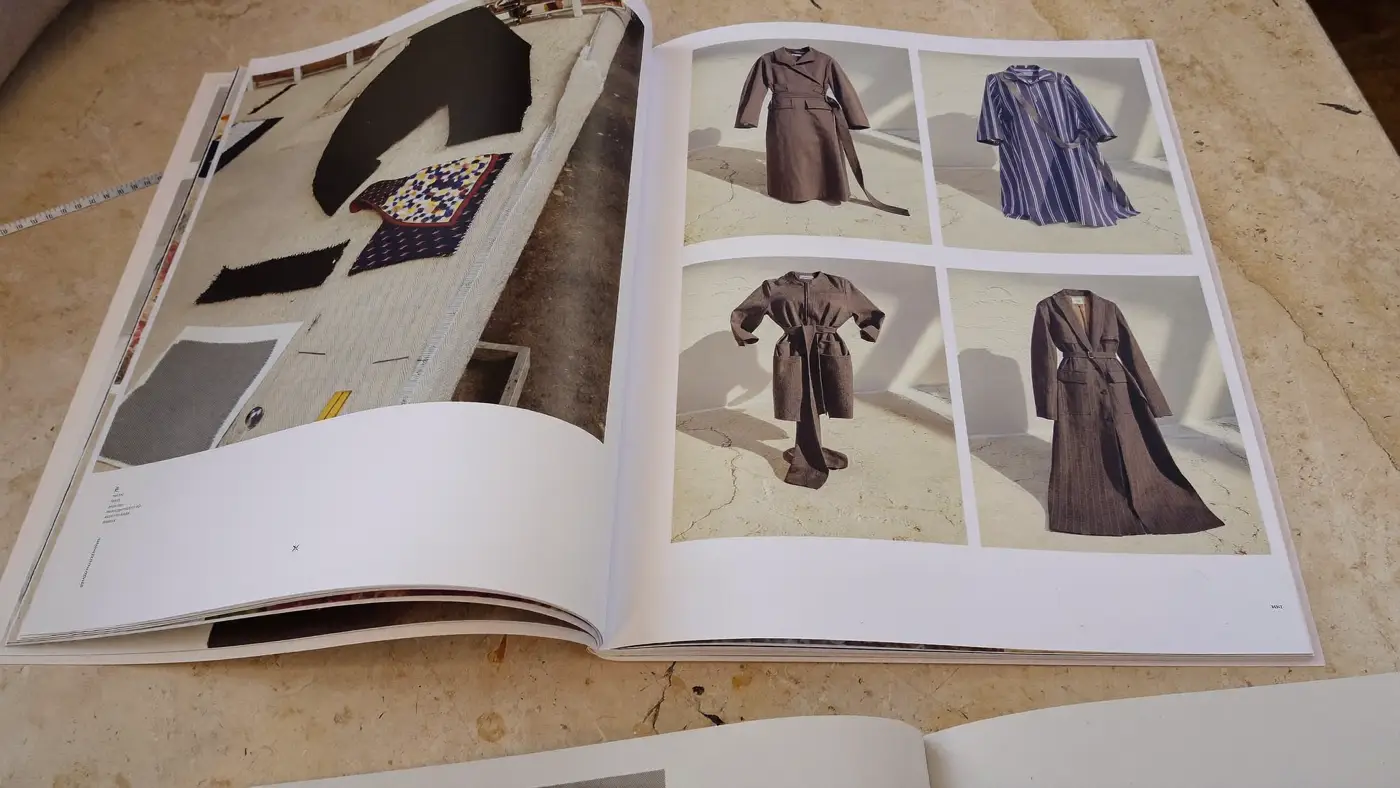
A lookbook has two readers. The buyer or stylist wants to see every look clearly, with codes and colourways, and to find what they need in seconds. The press and the customer want a mood, a story and a reason to care. We design lookbooks that do both: a clean, well-indexed catalogue of the collection, opened and closed by a handful of pictures that carry the season’s idea.
We produce shot lists, manage styling order so the shoot day runs to time, and lay out the finished lookbook for print, email and digital line sheets.
Next season’s shoot is booked, but is the idea?
Talk to us before the shootCasting, including consistent AI talent
The face in your campaign is the person customers imagine themselves becoming. Casting is one of the biggest brand decisions you make each season, and it is often left to the last week.
We cast with you from agencies and real people, and our Studio also creates consistent AI talent: the same recognisable person across many looks, backdrops and formats, without a new booking for every drop. Brands use it to test styling routes before a real shoot, to fill always-on social content between campaigns and to show a collection quickly when time or budget is short. AI talent is always disclosed as AI in our work, and we disclose AI imagery according to each platform’s rules and our editorial standards. We will also tell you honestly when a real model, a real body and a real garment in motion will do the job better, which for fit and fabric is often.
D2C sites, drops and social formats
For a direct-to-consumer label, the website is the flagship store. It has to show fit, fabric and scale, sell the look as well as the item, and load quickly on a phone. We design fashion websites around how people actually shop clothes: by outfit, by occasion, by what they already own.
Drops need a rhythm. We plan the sequence that builds anticipation without exhausting your audience:
- Tease with texture, detail and place, never the full look.
- Reveal with the campaign image and a waitlist or countdown.
- Launch with product pages, reels and email going live together.
- Sustain with styling content, customer pictures and restock notes.
Every social format is cut from the same shoot so the brand looks like one brand across stories, reels, carousels and marketplace listings. Paid social is planned and bought on a flat fee, never a cut of your media.
Labels, hang tags and the details customers keep
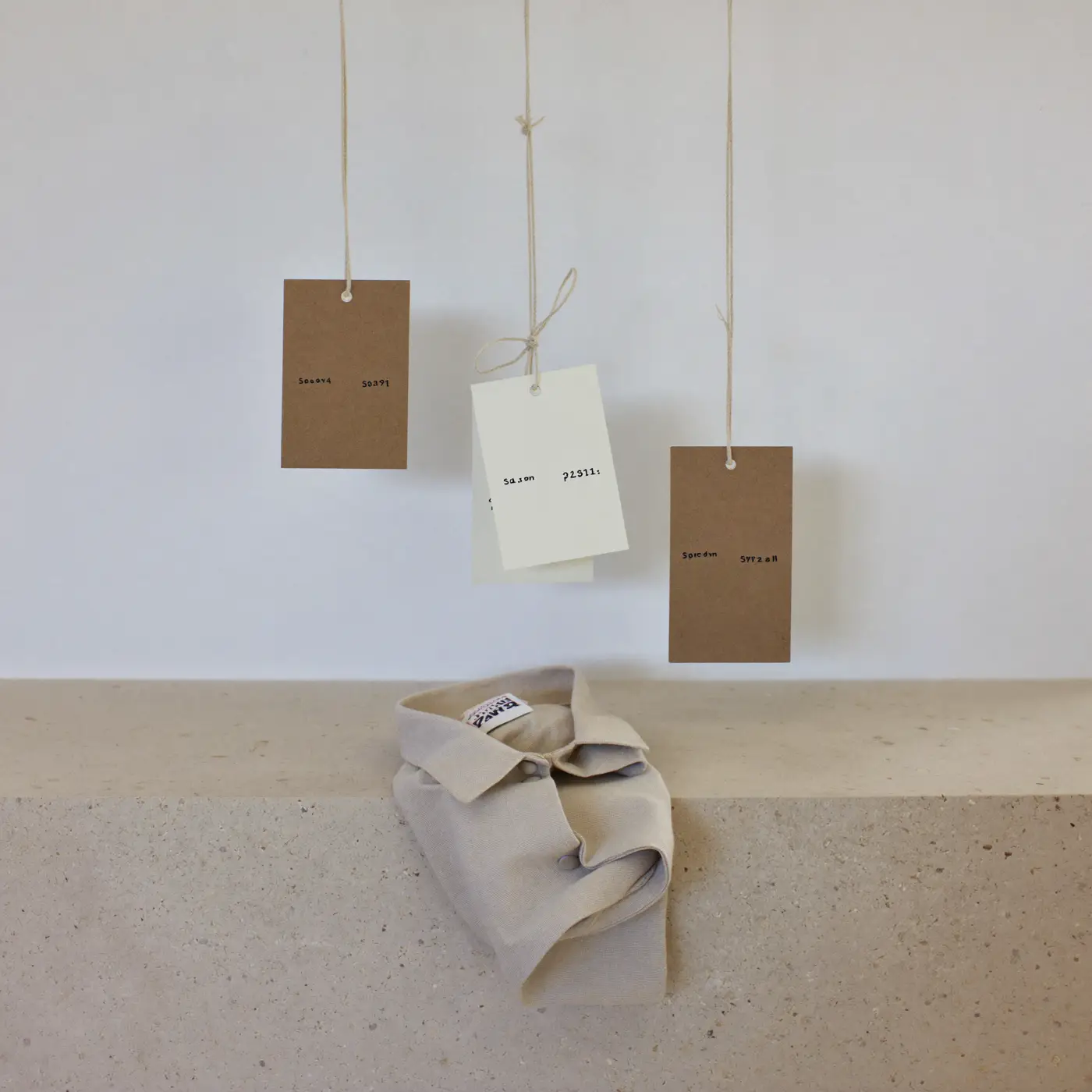
The neck label, the care label, the hang tag, the tissue, the mailer and the card inside it are the parts of your brand people actually touch. They are also the parts most labels design last, in a hurry, from a printer’s template.
We design a trims system as carefully as a campaign: paper stock, string or ribbon, the size and weight of the hang tag, where the size sits, what the back says. Care and composition information is designed from content your production team supplies. Good trims make a mid-price garment feel considered, and customers notice.
Wholesale, stockists and marketplaces
Many labels sell three ways at once: their own site, a handful of stockists and one or two large marketplaces such as Myntra, Zalando, Ajio or Farfetch. Each channel shows your clothes differently. A stockist merchandises you next to other labels. A marketplace crops your campaign into a small grid tile with a white background. Your own site is the only place where you control everything.
We design for all three from the same shoot. Stockist kits with line sheets, campaign images and short brand notes that shop staff can repeat on the floor. Marketplace image sets that follow each platform’s rules and still look like you. And a brand site that holds the full story, so a customer who found you on a marketplace has a reason to come home. The goal is recognition wherever someone meets you first.
Sustainability claims, honestly
Fashion is under more scrutiny for green claims than almost any other category, and customers have learned to distrust vague words. “Conscious” and “eco” on a hang tag now invite questions.
We keep claims specific, checkable and modest. “Made from certified organic cotton” when you hold the certificate. “Produced in small runs to reduce overstock” when it is true. A repair or resale programme explained plainly. Where you have evidence, we design it clearly. Where you do not, we leave the claim out and find something true to say instead. It protects you and, oddly, it reads as more confident.
If your label sits close to beauty or jewellery and luxury, we can build the worlds together. See more of our thinking on the industries we work in.