A trade show stand has about as long as a visitor’s stride to make its case. Engineers, buyers and distributors walk past hundreds of stands in a day. Most of those stands say the same three things: the company name, a product photograph and a line about quality and innovation. Visitors cannot tell what any of them actually solves, so they keep walking. The ones who stop are mostly people who already knew you.
Our exhibitions and events work is built for industrial and B2B shows, where the buyer is technical, the sale is long and the real value of the stand is measured weeks later, in conversations your sales team can continue. We plan what the stand says, design the graphics, prepare your team for the conversations, and set up the lead capture and follow-up so the effort does not end when the lights go off.
What exhibition communication should actually do
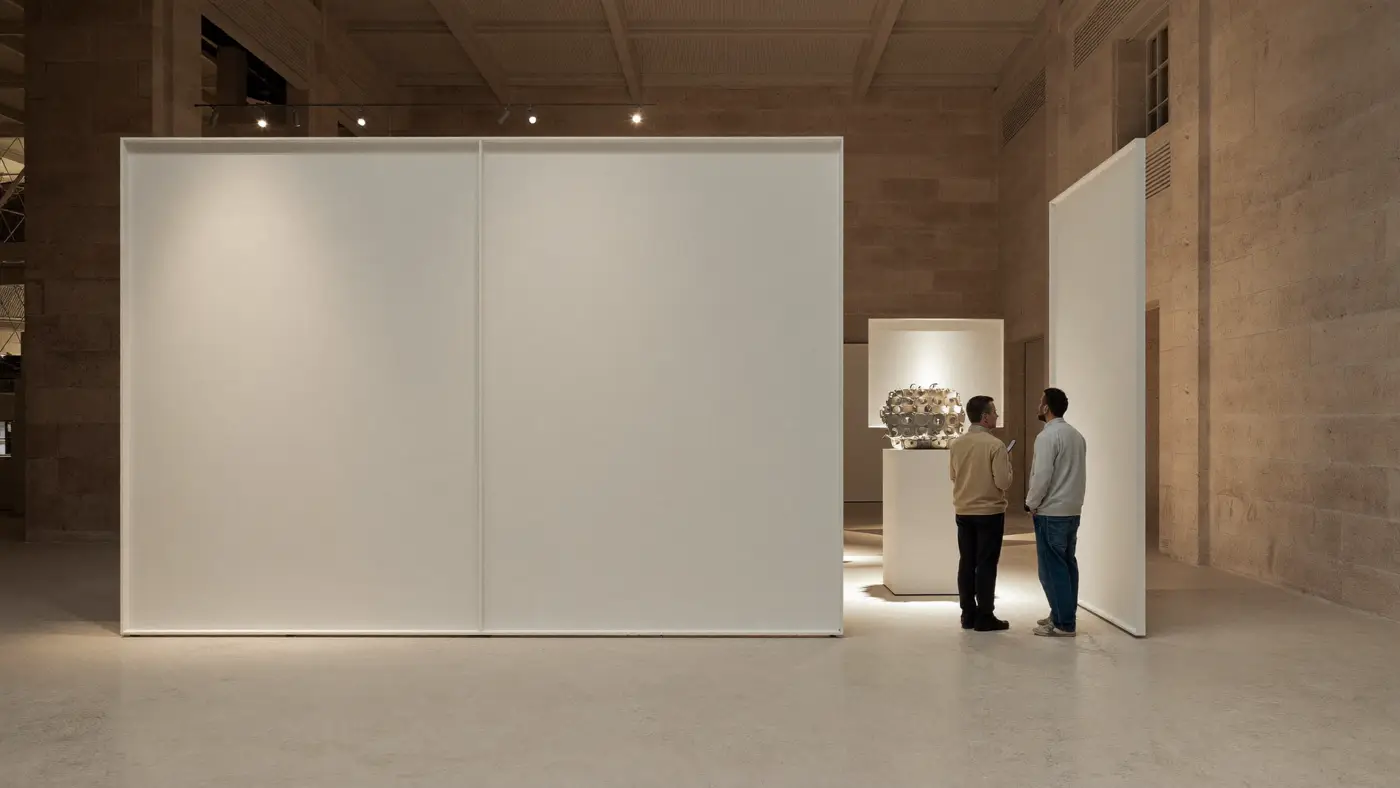
A stand has three jobs, at three distances. From the aisle, it has to tell the right visitor, in a few words, that you solve a problem they have. From the edge of the stand, it has to show them which application is theirs. At the counter, it has to give your team something specific to talk about. Most stands are designed for the counter and fail at the aisle.
We start every project with one question: who, specifically, do you want to stop, and what problem will make them stop? For an industrial electronics manufacturer it might be power-conversion engineers working on electric vehicles, or procurement leads looking for a second source. The answer shapes everything else, from the headline on the back wall to the questions on the lead form.
Stand graphics with a clear hierarchy
Good stand communication works like good packaging, read in order. A short headline at height that names the problem or the sector. Application zones that let different visitors find their own story. Product detail at eye level and below, close to where the conversation happens. Your brand runs through all of it, but the brand name alone is not a reason to stop.
We design the graphics and supply print-ready artwork to your stand builder’s templates and specifications. Fabrication, structure and on-site installation stay with your stand builder; we review their drawings and proofs so the communication survives the build. Where the show is part of a larger launch, we plan it with our product launch team so the stand, the press material and the website say the same thing on the same day.
Application posters that start conversations
The most useful item on many industrial stands is the application poster. One poster per application, each built to the same simple system:
- Application headline: where the product is used, in the visitor’s own terms.
- Problem statement: the difficulty engineers face in that application, stated plainly.
- How you solve it: what your product does differently, with the evidence your engineers can stand behind.
- Conversation cue: a question your team can open with when someone stops to read.
Every technical claim comes from your engineering team and goes back to them for checking. The same posters then become social posts, information cards and pages on your website, so the content outlives the show. Our work across manufacturing and industrial and electronics and hardware companies is where this discipline comes from.
Will visitors understand your application story before they walk past?
Send us a briefInvitations that give people a reason to come
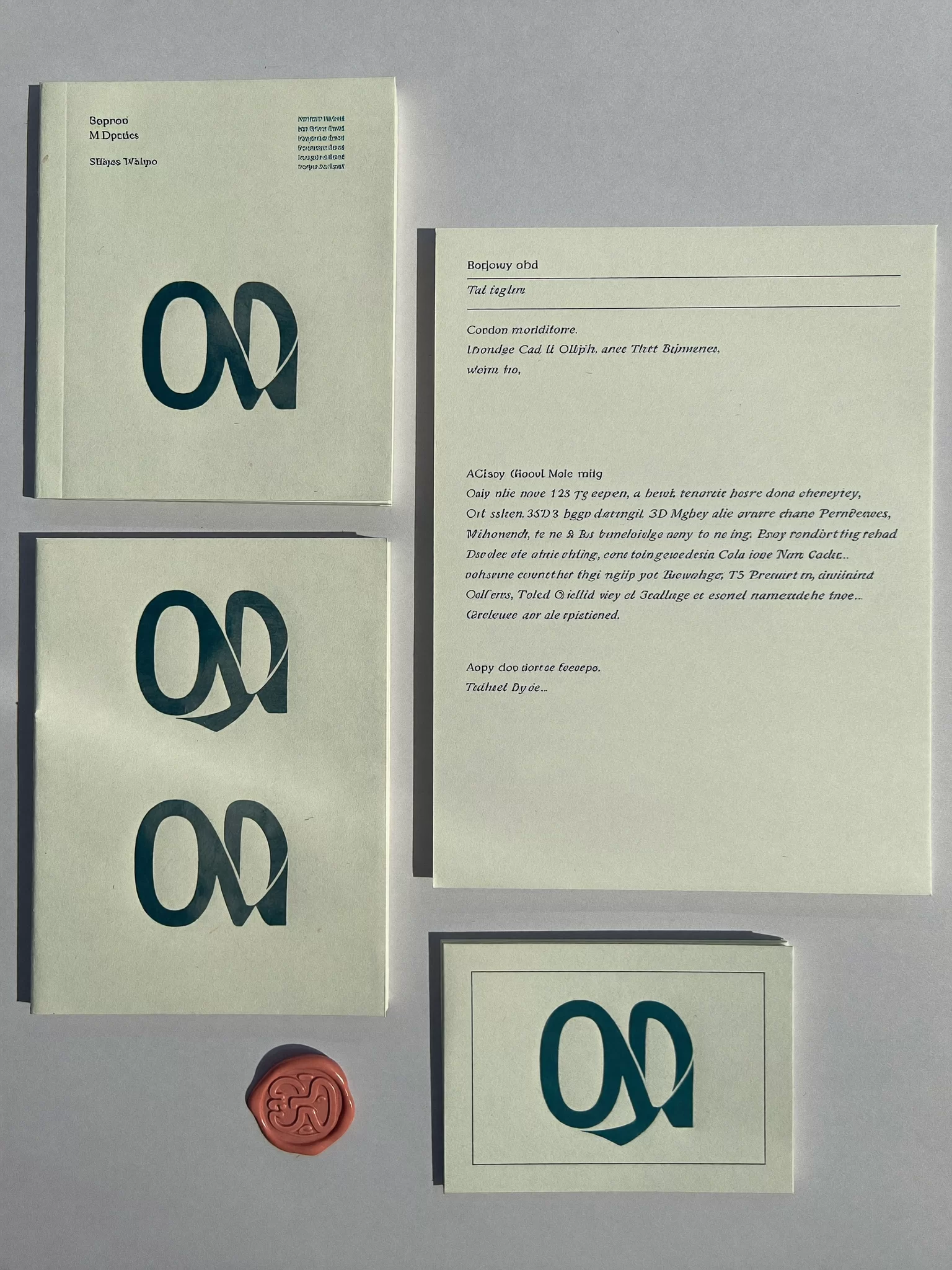
The best visitors are the ones who planned to see you. We write and design the pre-show sequence: an invitation email to existing customers and open opportunities, a note for your sales team to send personally, social posts that preview what will be on the stand, and printed or digital invitation cards for distributors to pass on. Each one gives a reason to visit beyond “find us at hall 4”, such as a new application, a demonstration or a specific engineer to meet.
On-stand conversation design
Stand staff are usually salespeople and engineers who have flown in the night before and will be on their feet for three days. They deserve better than a product list. We prepare a short conversation guide for each visitor type your team is likely to meet:
| Visitor | What they want to know | A useful next step |
|---|---|---|
| Design engineer | Whether the product fits their specification and how it behaves in their application | A technical call with your applications engineer |
| Business leader | Whether you are a reliable, capable partner for the next few years | A meeting with your commercial lead after the show |
| Distributor | Whether your range suits their customers and how you support partners | A partner information pack and a follow-up call |
The table above is illustrative. Yours will reflect your own buyers, and we build it from interviews with your sales and applications teams.
Lead capture that sales can actually use
A scanned badge records a name and a company. It does not record that the visitor is evaluating suppliers for a project starting next quarter. We design the capture form with a handful of qualification questions, a short free-text note written by the person who had the conversation, and an agreed rule for which leads go to sales straight away. The fields map to your CRM, so the stand’s leads arrive in the same stages as every other enquiry. That connection is part of our analytics, CRM and attribution work.
Qualified follow-up after the show
Most show leads go cold in the week after, while the team catches up on everything they missed. We write the follow-up before the show opens: a personal note for hot leads, sent by the person they met; an application-specific email for interested visitors, carrying the poster content they looked at; and a slower sequence for the rest. Each lead moves through stages your sales team agreed in advance, so you can see afterwards which conversations became opportunities, and report it honestly.
How an exhibition project runs
Brief
The show, the visitors you want to stop, the applications to feature and what a qualified lead means for your sales team.
Message and design
The stand hierarchy, poster system and invitation sequence, with technical content checked by your engineers.
Production
Print-ready artwork to your stand builder’s templates, proof reviews, conversation guides and the lead capture form.
Follow-up
Sequences sent on agreed days after the show, and a review of which leads moved forward.
Deadlines around a show tend to overlap: the stand builder needs artwork while the product team is still confirming which samples will ship. We plan backwards from the builder’s print deadline and keep a single approvals list, so nobody signs off a panel in a hurry the night before. For shows where the stand also carries your corporate story to investors, partners or the trade press, we bring in our corporate communications team so the stand and the press kit agree.
We work remotely, preparing everything before your team travels. Fees are fixed before we start; see how we charge. The case notes below come from our team’s experience, work our founder led in earlier in-house and programme roles, written up to show the approach rather than to claim results for Quiamo.