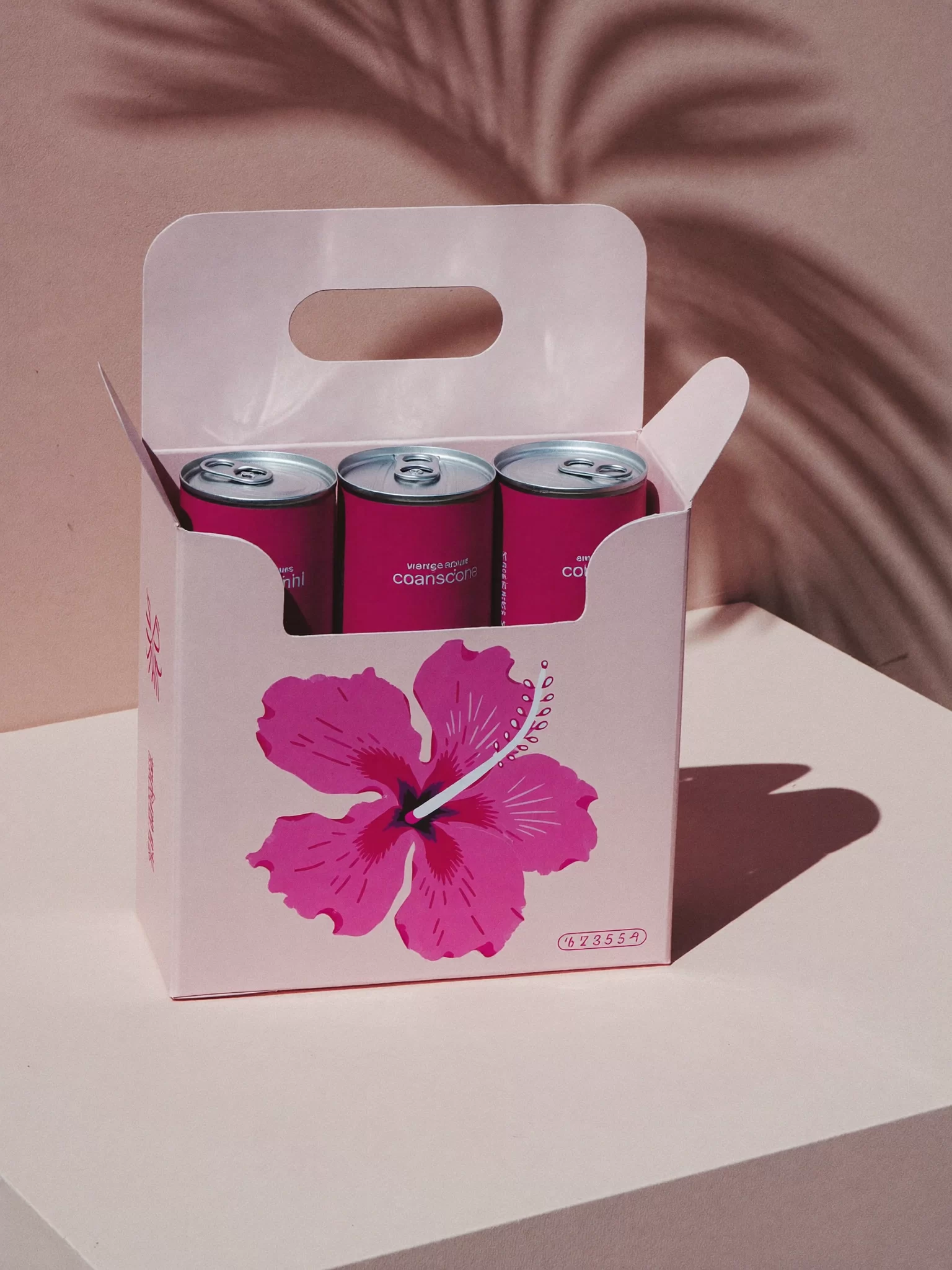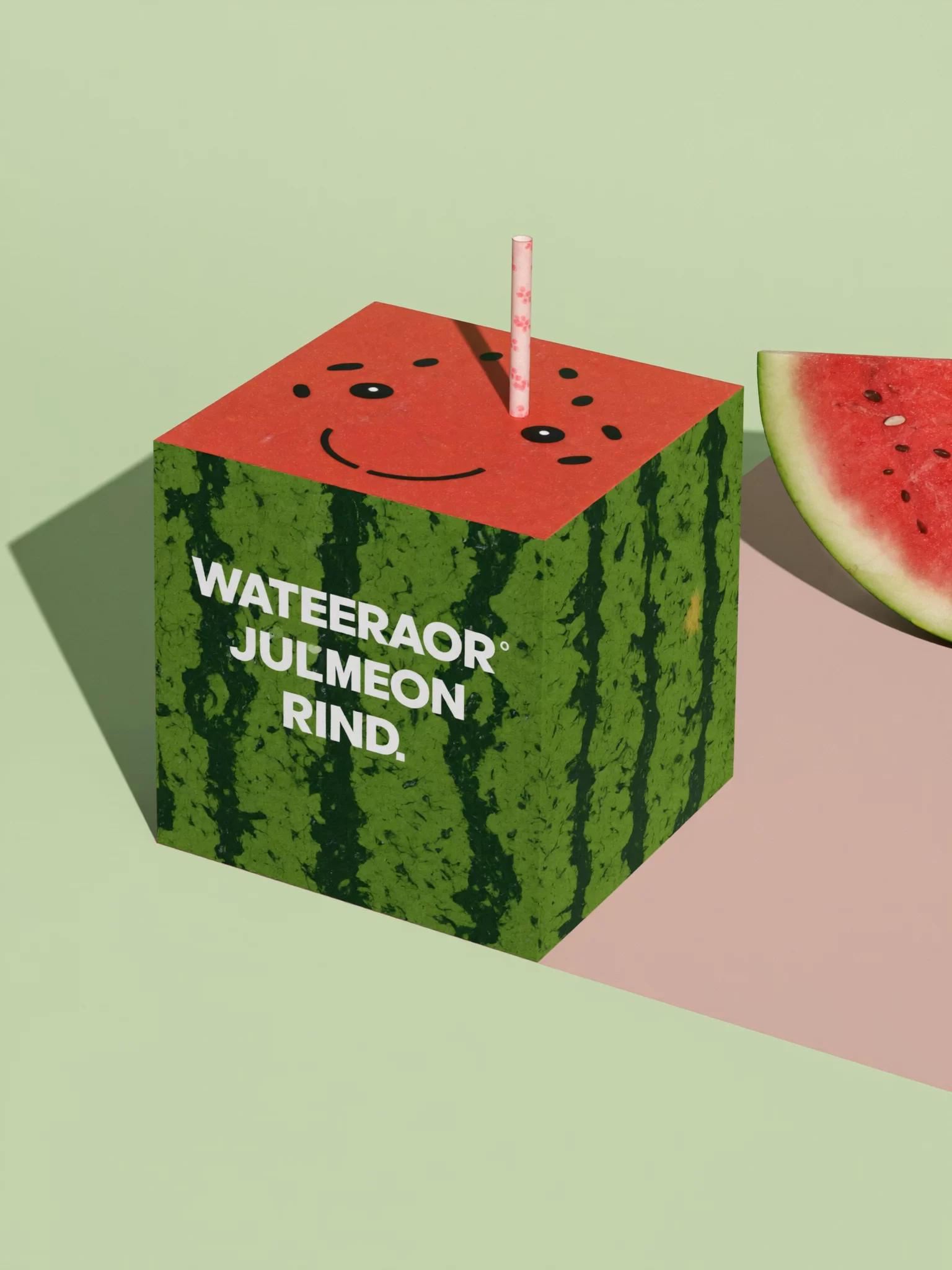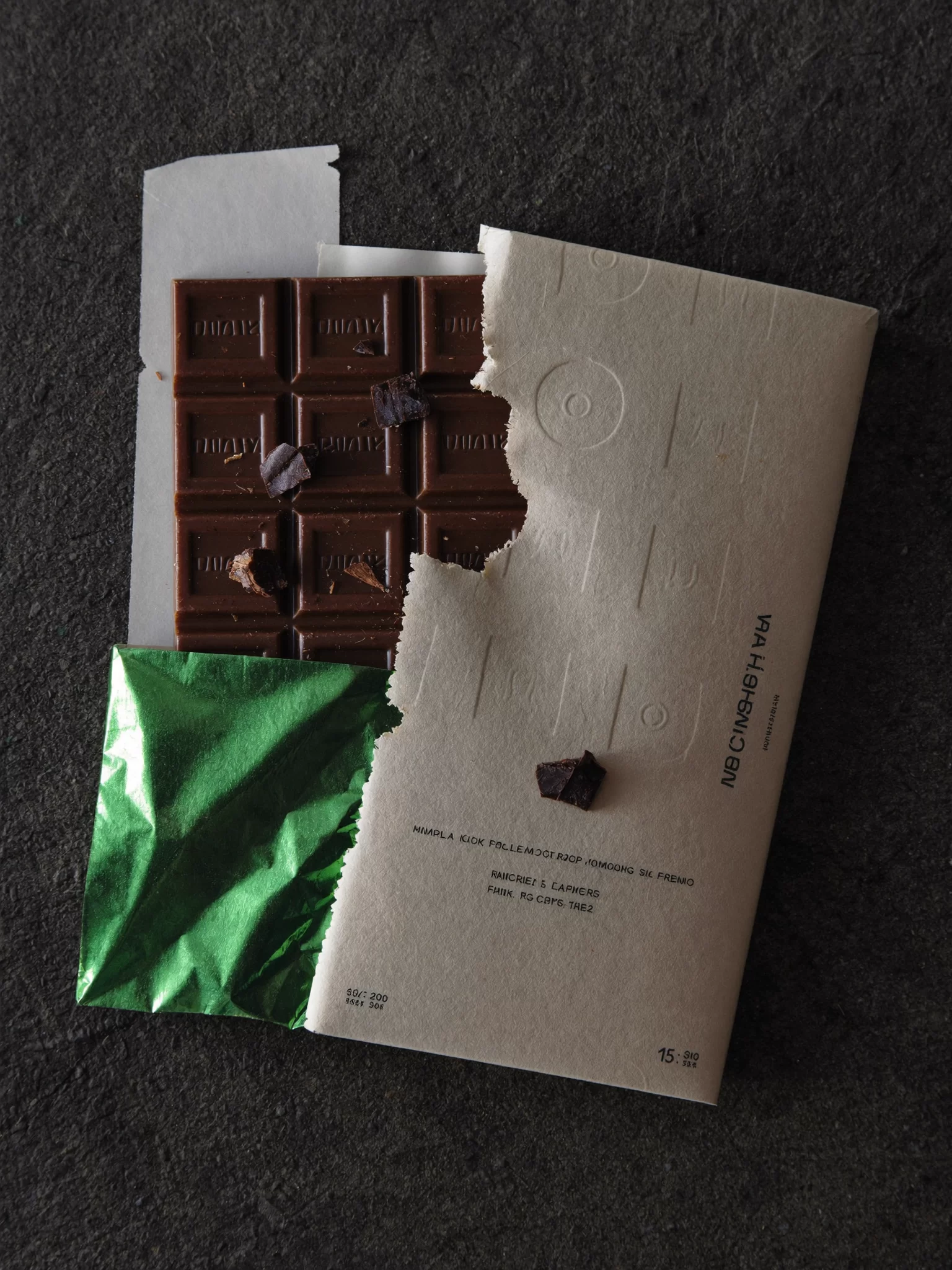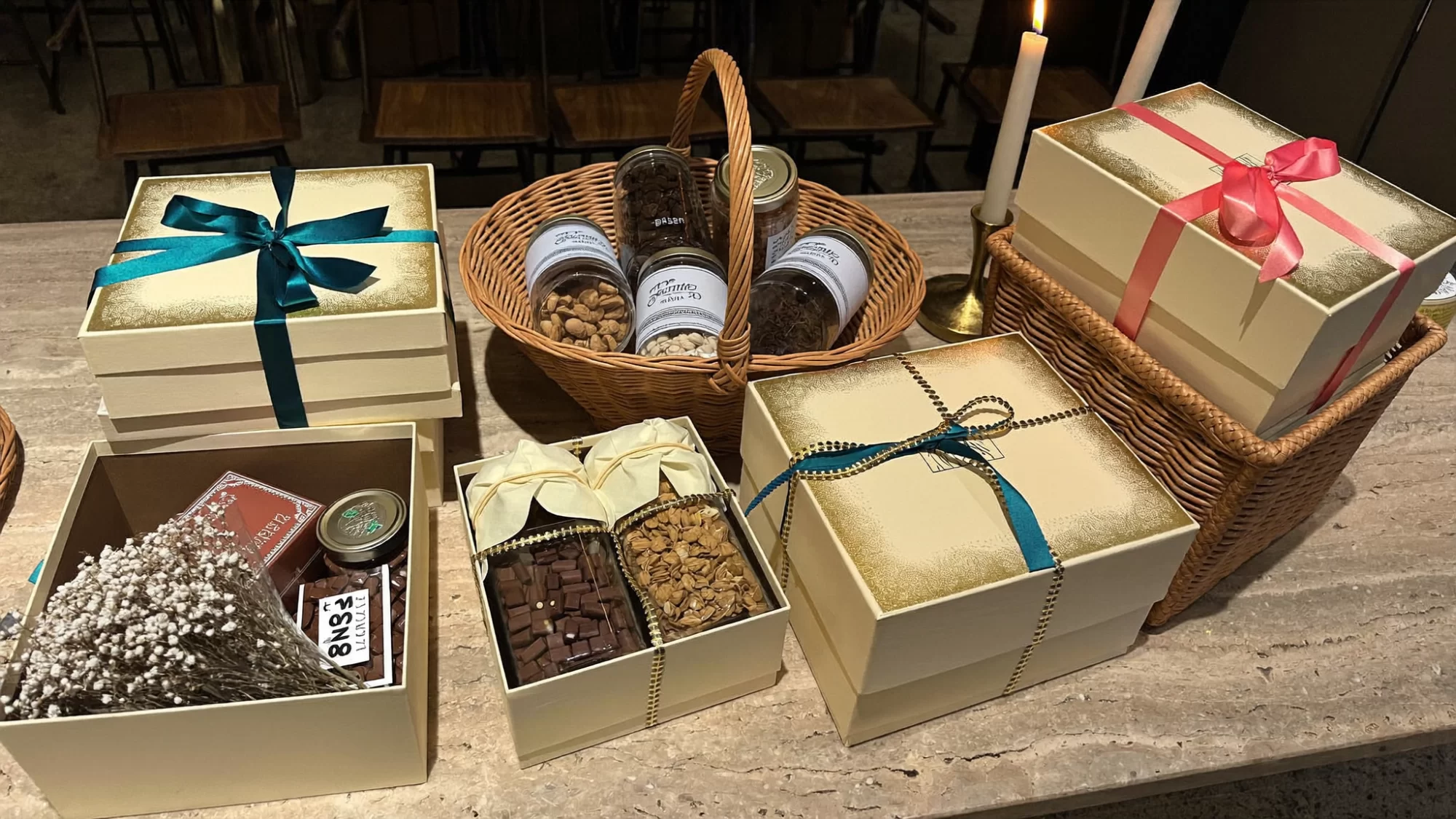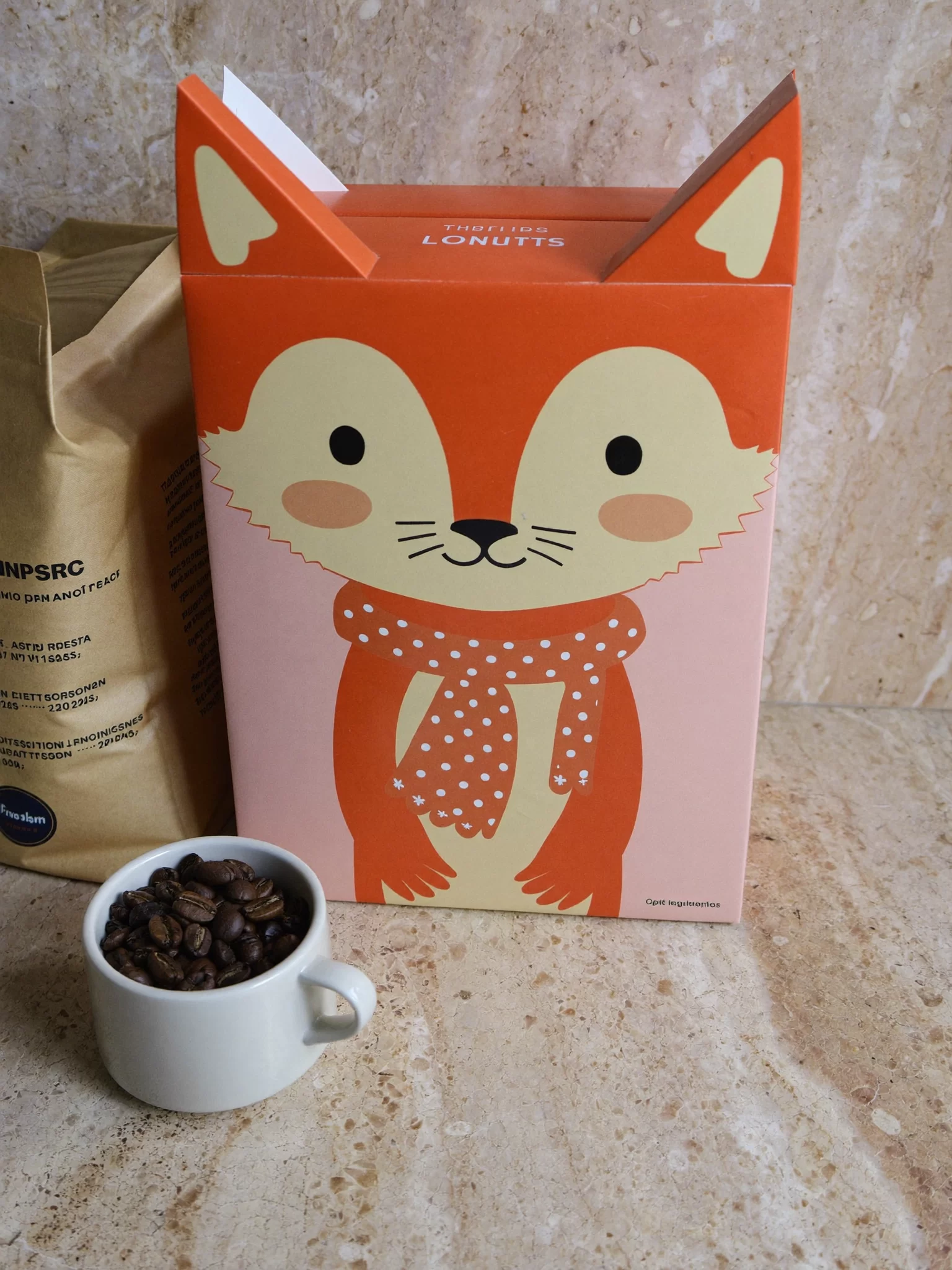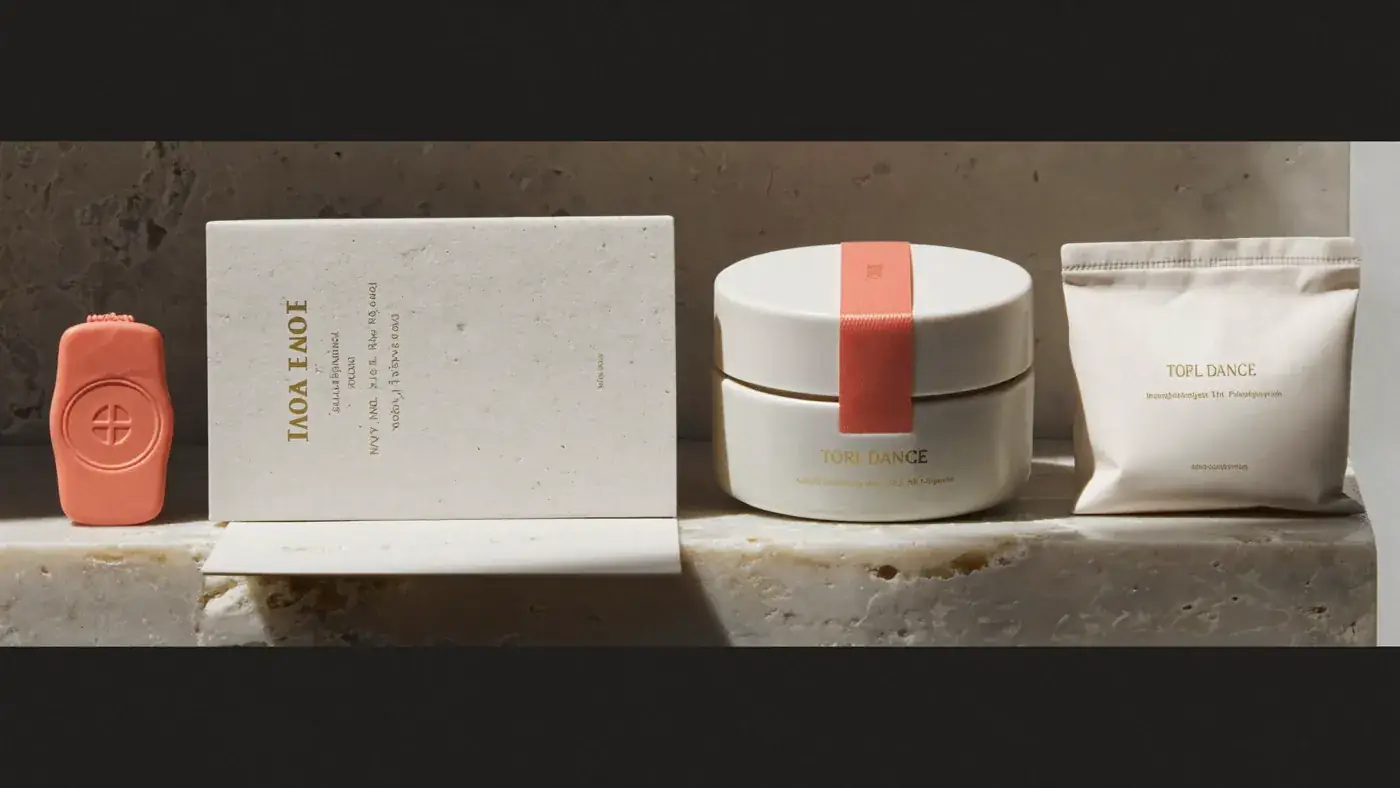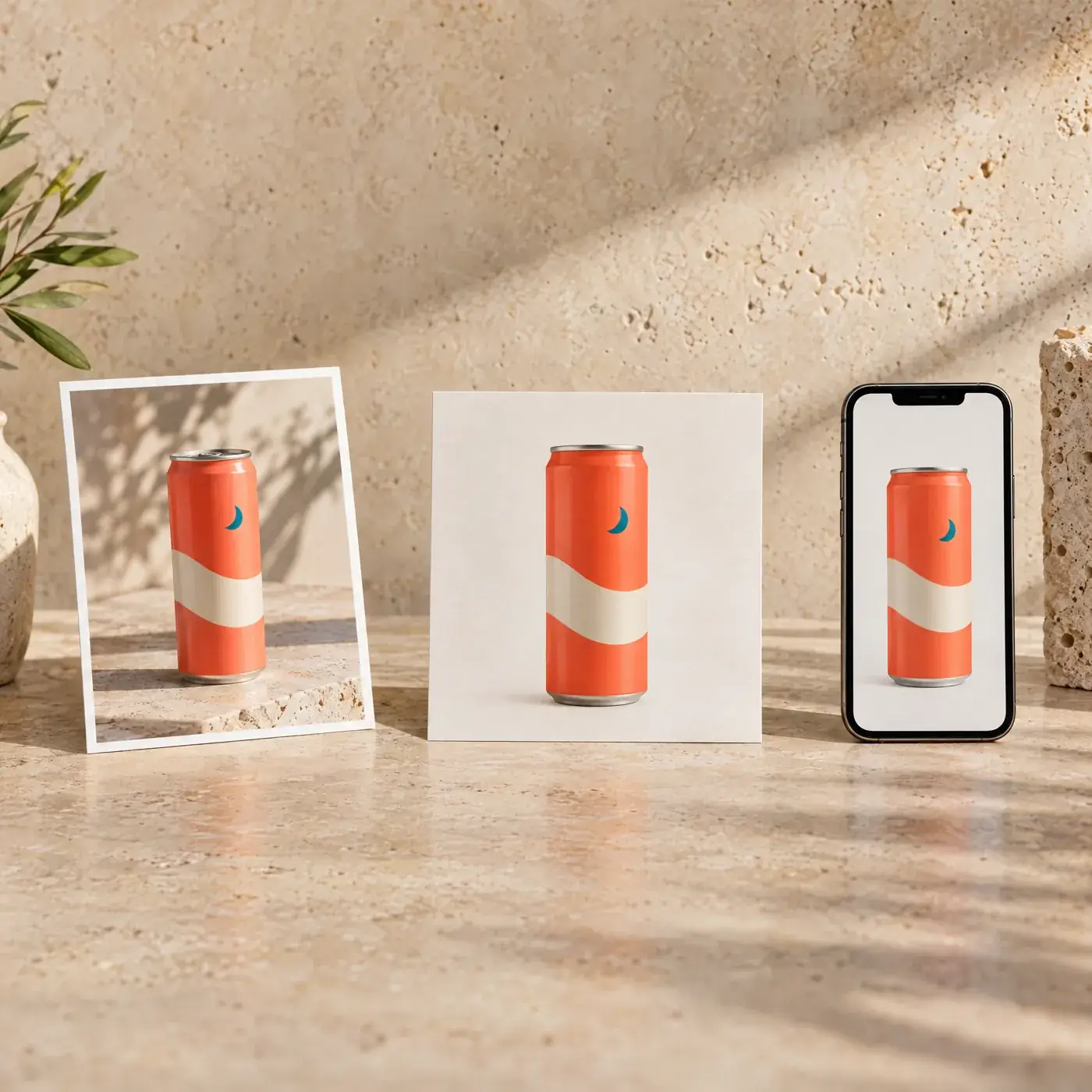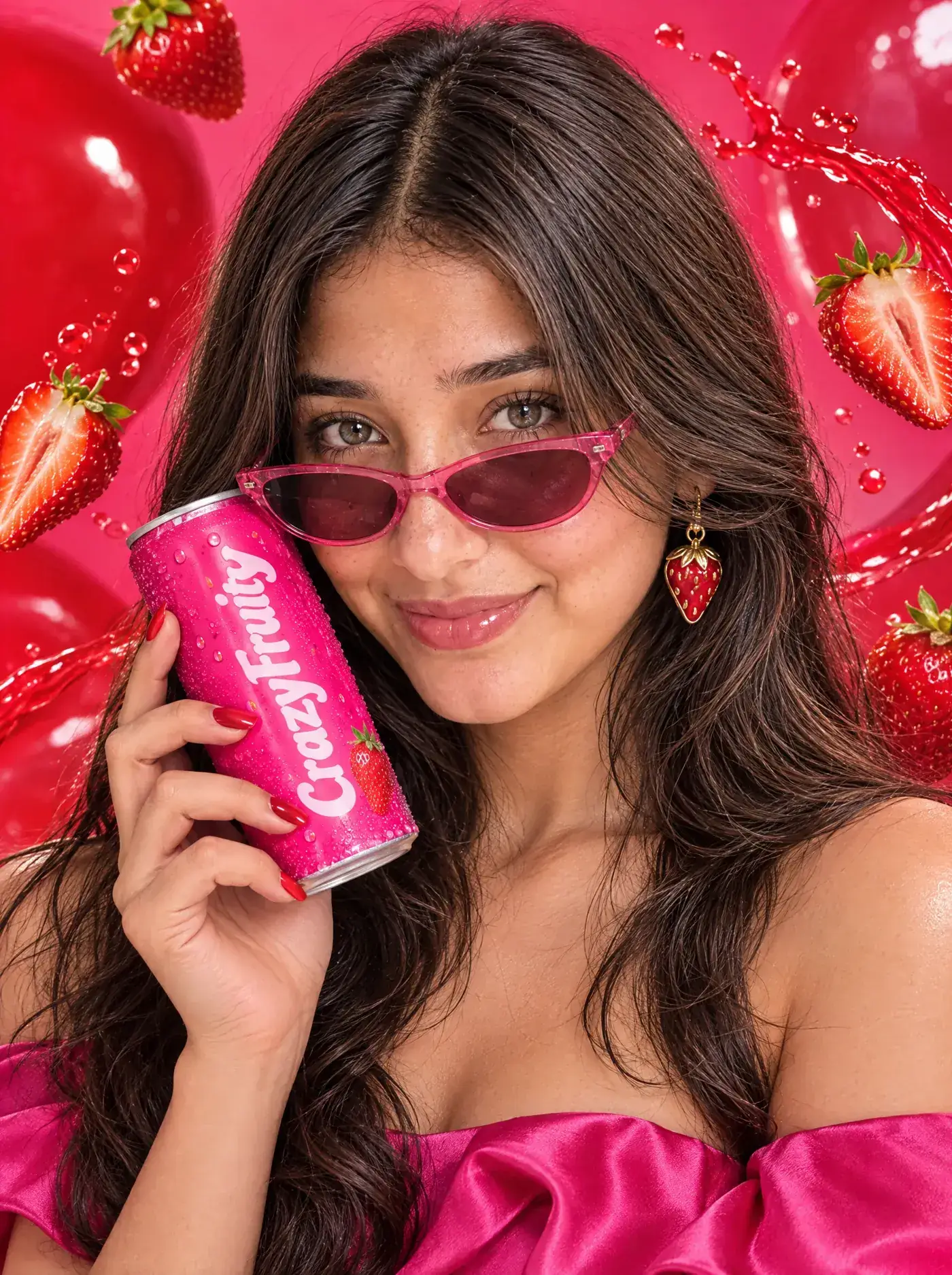
Your pack now has three jobs, and most packaging design only does one. It has to win the shelf, where it gets about three seconds against forty competitors. It has to win the scroll, where it is a square the size of a postage stamp on a marketplace listing. And it has to win the unboxing, the moment the lid comes off in front of a phone camera and a few thousand strangers. A packaging design agency that designs only for the shelf is designing for the past.
We design packaging for food and beverage, beauty and personal care, consumer electronics, fashion accessories, premium gifting and industrial products that still deserve better than a brown box. For established FMCG brands and for D2C founders launching their first SKU. The process is the same rigour at different scales.
Packaging that wins the shelf
On a physical shelf, people do not read. They scan for colour and shape, spot something familiar, then look for the one piece of information that confirms the choice. Good packaging design respects that order. We build a clear hierarchy: the brand block you recognise from across the aisle, the variant cue that separates lemon from mint without reading, and one benefit written in words a shopper would actually use.
Before we finalise anything, we test designs in context: photographed on a mocked-up shelf next to your real competitors, viewed at a distance, in the lighting of a supermarket, a pharmacy or an electronics store. It is the cheapest way to avoid an expensive reprint.
How to design packaging for Amazon thumbnails and marketplaces
On Amazon, Flipkart, Nykaa, Noon, Tmall or any other marketplace, your pack first appears as a small image among dozens. Most packaging falls apart at that size. Thin type disappears, pale colours wash out and the product name becomes a grey smudge.
We design with the thumbnail in mind from the first sketch:
- One dominant shape or colour that reads at 200 pixels wide, so the pack is recognisable before it is readable.
- A short, heavy product name in a weight that survives compression and small screens.
- Variant coding by colour rather than small print, so a range reads as a family in the search grid.
- Listing image sets designed alongside the pack: hero, scale, ingredients or specs, in use and in the box. The pack and the listing are one piece of design.
We check every design at real marketplace sizes, on real listing pages, before it goes to print.
Launching a range this year? Talk to us before the dielines are locked.
Start the briefPackaging that wins the unboxing
The unboxing is the first time your product is in the customer’s hands and often the first time they film it. That moment deserves design. We think about the sequence: what you see when the outer box opens, what the first thing you touch feels like, what message is printed inside the lid, where the product sits, what is left in the box when it is empty. For luxury packaging and premium gifting, this is often where the brand is truly decided.
Unboxing does not have to mean waste. We design inserts and structures that reduce material, avoid plastic where possible and still feel generous. A well-designed paper pulp insert photographs better than a plastic tray anyway.
FMCG, D2C, luxury and food and beverage packaging
FMCG packaging design
For fast-moving brands, the challenge is usually range architecture and production reality. Dozens of SKUs, several sizes, multiple languages and the need to keep costs predictable. We design systems that flex without falling apart, and artwork that production teams can update without breaking.
D2C packaging design
For direct-to-consumer brands, the pack often is the store. It has to carry the brand story that a shop assistant would normally tell, survive a courier and look good on a doorstep. We design the mailer, the product pack and the inserts together.
Luxury packaging design
Luxury packaging is about restraint, material and weight. Fewer words, better paper, finishes that reward a second look. We work with converters who can do foil, emboss, soft-touch and rigid boxes properly, and we prototype before we commit.
Food and beverage packaging design
Appetite appeal, freshness cues and mandatory information all have to share a small space. We work alongside your regulatory and quality teams so the required information is present and legible, and the pack still makes someone hungry.
The packaging design process
Category walk
We study your shelf and your marketplace results: what competitors do, what shoppers see, where the gaps are.
Strategy and architecture
What the pack must say, in what order, and how the range is organised.
Design routes
Two or three directions, shown on shelf, in thumbnail and in hand.
Structure and prototypes
Physical mock-ups with your converter, tested for feel, cost and production.
Artwork and press
Every SKU and size, print-ready files, colour proofs and a press check where it matters.
How much does packaging design cost?
It depends on the number of SKUs, whether we are designing new structures or working with standard formats, and how many markets and languages the artwork must cover. A single hero pack costs far less than a thirty-SKU range. We quote a fixed fee once we understand the range, and artwork adaptations for new sizes or variants are priced up front, so there are no surprises when you expand. Read more on how we charge.
Packaging works best when it grows out of a clear brand strategy and a strong identity, and when the listing pages and website are designed alongside it. We can do all of it, or slot in next to the partners you already have.