Help Indian buyers understand your brand.
Marketing execution for overseas businesses preparing to enter or grow in India.

Your global materials may explain the business well, yet leave important questions unanswered for a new audience. Quiamo can discuss India market-entry marketing across websites, sales presentations, packaging design and launch communications. Start with the customers or partners you need to reach, the offer you are bringing and the information available. We can then define the work needed to make the proposition clear.
Start with a specific audience in India.
India is not a single audience with one set of buying habits. Your first brief should identify the customer group, geography, channel and buying situation. A manufacturer approaching distributors has different communication needs from a consumer brand preparing an online launch. A technical buyer may want detailed application information before requesting a meeting.
The decision before the deliverables
Ask what the audience needs to understand and what useful action they should take next. That decision helps determine whether you need a focused landing page, a sales package, a product demonstration or a broader launch programme. It also prevents a long asset list from taking the place of a clear purpose.
For how Indian buyers discover and judge a new brand, including languages, marketplaces and trust signals, read our in-depth guide to entering India. This page covers the marketing work itself.
Turn the global story into useful market-facing material.
Website and landing-page content
Explain the offer, application and enquiry route for the intended audience. Keep global brand consistency while addressing the questions your local sales or partner teams hear. Agree the languages, product availability and contact ownership before publishing.
Explore website designSales and partner materials
Give salespeople or prospective partners a coherent explanation of the business and product range. A useful presentation should help them explain relevance and answer common questions. Product facts, terms and any partner claims need approval from the people who own them.
Launch communications
Connect the launch narrative with the assets needed across your chosen channels. The plan can identify the main message, supporting information, release order and review dependencies.
Explore product launchPackaging and product presentation
Adapt the information hierarchy and visual system to the intended product range and buying environment. Work from production specifications and approved mandatory information supplied by your specialists.
Explore packaging designKeep technical information accurate and usable
For an industrial business, market-facing content should connect the product to the application without over-simplifying its capabilities. Approved specifications, operating conditions and compatibility details can provide the foundation. The content then needs a structure that helps each buyer find the level of detail required.
Explore electronics and hardware or automotive, EV and mobility for relevant briefing routes. These examples sit within a broader brand and communications offer. The scope should follow your audience and product rather than force your business into a predetermined category.
Know which inputs belong to your specialists
Market entry can involve commercial, legal, regulatory, product and operational decisions. This service concerns marketing execution. Your qualified advisers and internal owners remain responsible for matters such as legal establishment, tax, import requirements, certifications and approval of mandatory product information.
That distinction helps the creative work move smoothly. Identify the documents, claims and approvals the team can rely on. Where information is pending, make it a visible dependency in the project schedule rather than leaving the design team to infer an answer.
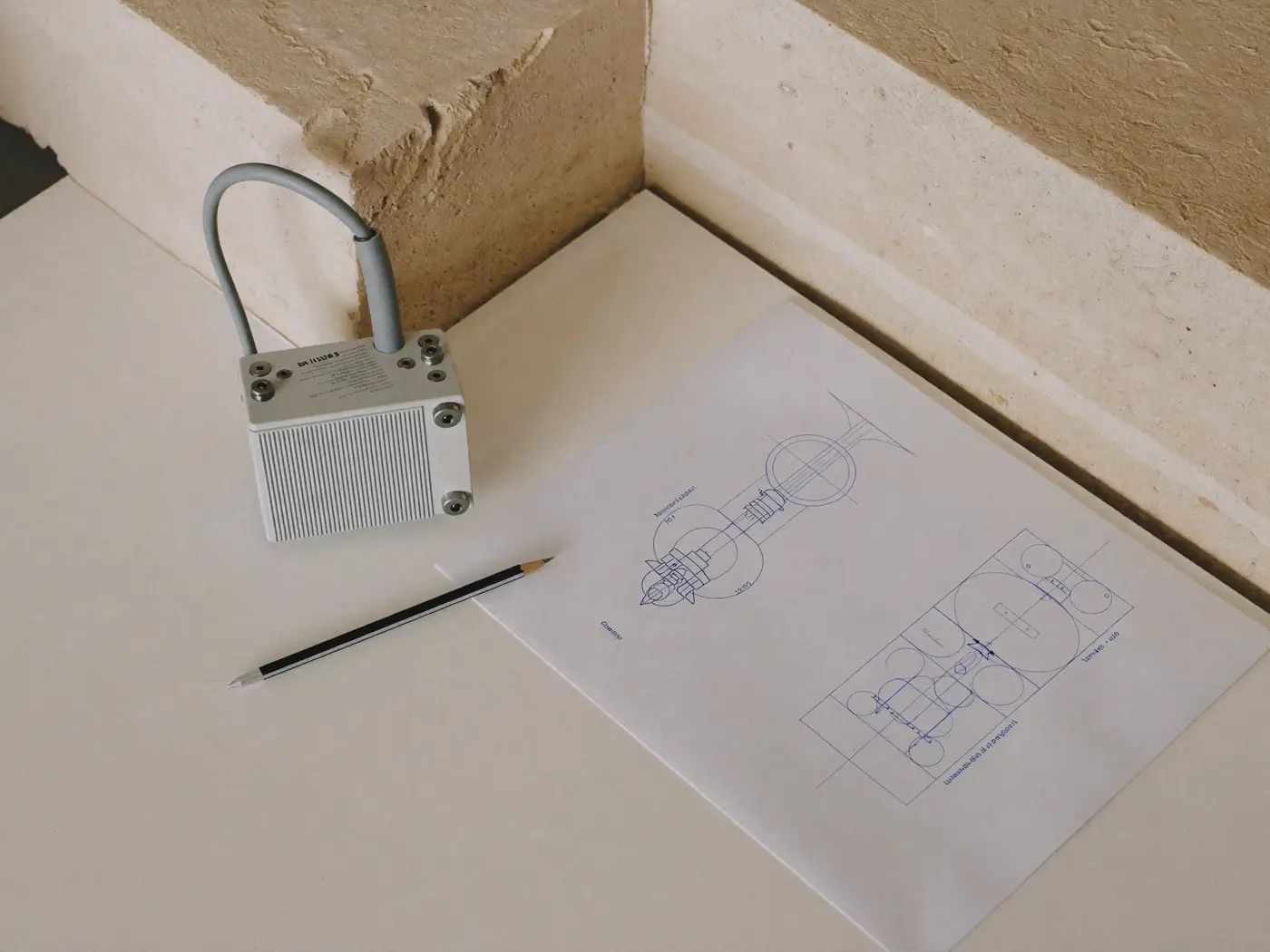
A practical route from brief to launch materials.
Define the first audience
Name the buyers, partners or internal teams who must use the material. Capture the questions they need answered and the action you want to make possible. Use available customer or market evidence rather than assumptions about a whole country.
Review the existing assets
Bring brand guidelines, website content, product documentation and sales materials. Identify what can be retained, what needs adaptation and what requires new source information. This is also the stage to flag usage rights and production constraints.
Agree the delivery package
Choose the outputs that serve the first commercial objective. Record the languages, formats, approval owners and publishing responsibilities. Agree what is outside scope so the project is not expected to solve unrelated market-entry decisions.
Review in context
Check the work with the people who understand the product and intended market. Review claims, terminology, contact routes and practical use, not just appearance. Consolidated feedback makes the next production step clearer.
Connect the work to follow-up
Define who receives enquiries and how they are handled. If a website or campaign is involved, agree which actions will be measured. A launch asset becomes more useful when the next step is ready for the people who respond.
Questions before we begin.
Do you provide a full legal or regulatory market-entry service?
No. This page covers marketing execution. Legal, regulatory, tax and other specialist decisions must be handled by appropriate advisers. Their approved inputs can then inform the materials in scope.
Do we need to translate everything into an Indian language?
Not automatically. Identify the audience, channel and intended action first. Agree language requirements and native review based on those needs. Translation and language support must be confirmed in scope rather than assumed. Our guide to entering India discusses language and regional choices in more detail.
Can you adapt our global brand without replacing it?
Bring your guidelines and any fixed requirements. The brief can distinguish the elements that must stay consistent from the content that needs local explanation. Any changes should follow an agreed approval process.
Can you find distributors or guarantee sales?
This page does not promise distributor recruitment or sales outcomes. Marketing materials can support commercial conversations, but distribution arrangements and commercial results require their own planning and ownership.
What should we provide for a first discussion?
Share your company website, product range, intended Indian audience and target timing. Include existing research, local partner feedback or approved product documentation if available. Tell us which decisions have already been made and which are still open.
Make the first marketing step clear
Tell Quiamo who you need to reach in India and what they need to understand. We can discuss an India market-entry marketing scope built around the materials, approvals and next actions that matter to your launch.
Discuss your India brief