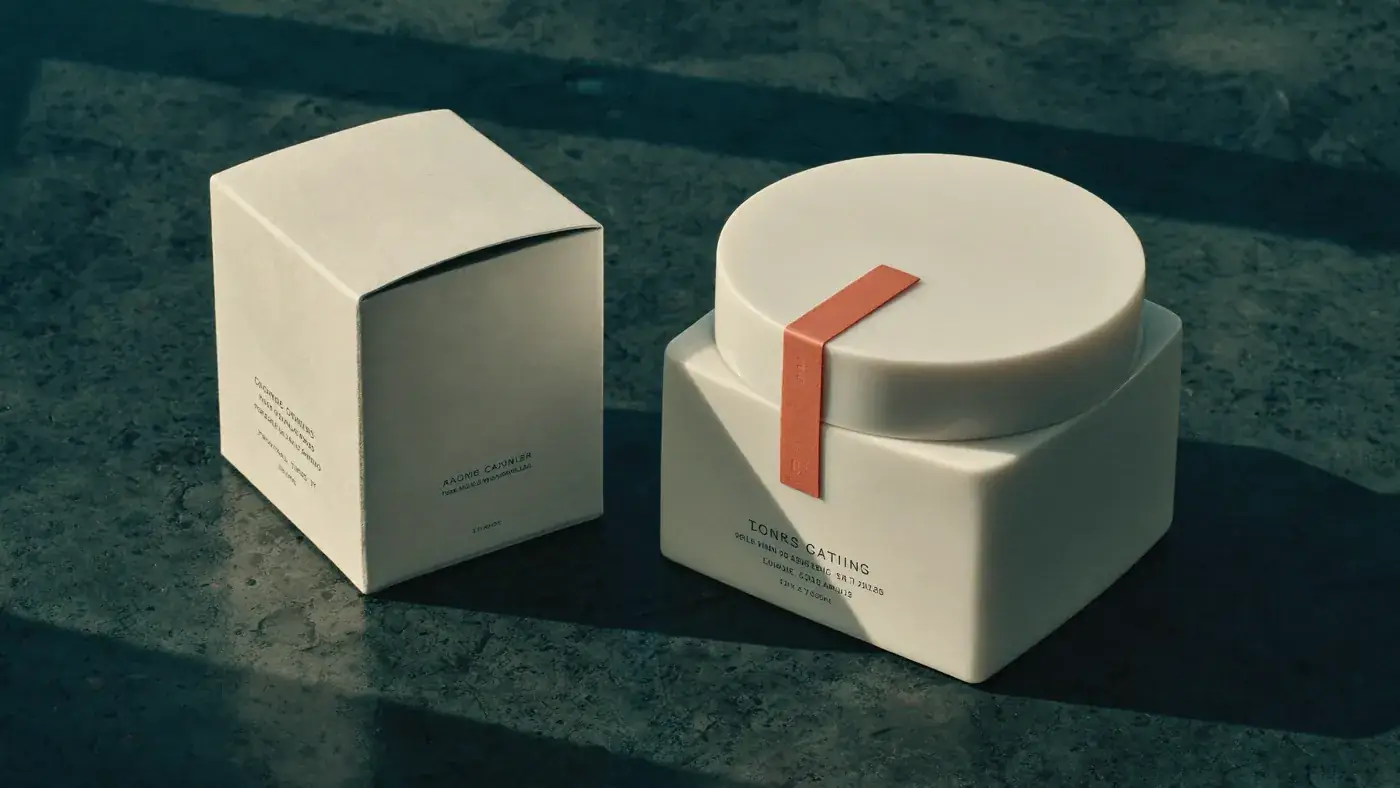
Every skincare brand now says clean, gentle, dermatologist-approved and glowing, often on the same carton. The shopper standing at a pharmacy counter, or scrolling a beauty marketplace at midnight, has seen those words so many times that they have stopped meaning anything. What she is actually looking for is a reason to trust you with her face. As a beauty branding agency, our job is to give her that reason in the three seconds she will spend on your pack, and then again in the thirty seconds she will spend on your listing.
We work with skincare, cosmetics, haircare, fragrance and personal care brands, from founders with one hero serum to established houses rebuilding a tired range. The categories differ. The question is always the same: why should someone believe you, and why should they want you?
Claims-led or sensorial: which kind of beauty brand are you?
Most beauty brands sit somewhere between two poles, and the confusion starts when they try to be both at full volume.
- Claims-led brands sell on evidence. Percentages of actives, clinical language, clean white cartons, a pharmacist’s recommendation. They win on trust and lose when they look cold or interchangeable.
- Sensorial brands sell on feeling. Texture, scent, ritual, colour, the sound a lid makes. They win on desire and lose when the shopper cannot work out what the product actually does.
The strongest brands choose a lead and let the other play support. A claims-led brand can still have one sensorial moment, a texture shot or a colour that feels good to hold. A sensorial brand still needs one sentence of proof. We make that decision with you in the brand strategy stage, because it shapes everything after it: the typeface, the photography, the pack, even how your founder speaks on camera.
Ingredient storytelling that shoppers remember
Niacinamide, ceramides, bakuchiol, centella, hyaluronic acid. Your customer has heard of all of them, and so has every competitor on the shelf beside you. Listing ingredients is no longer a story. Explaining what one of them does for her, in her words, is.
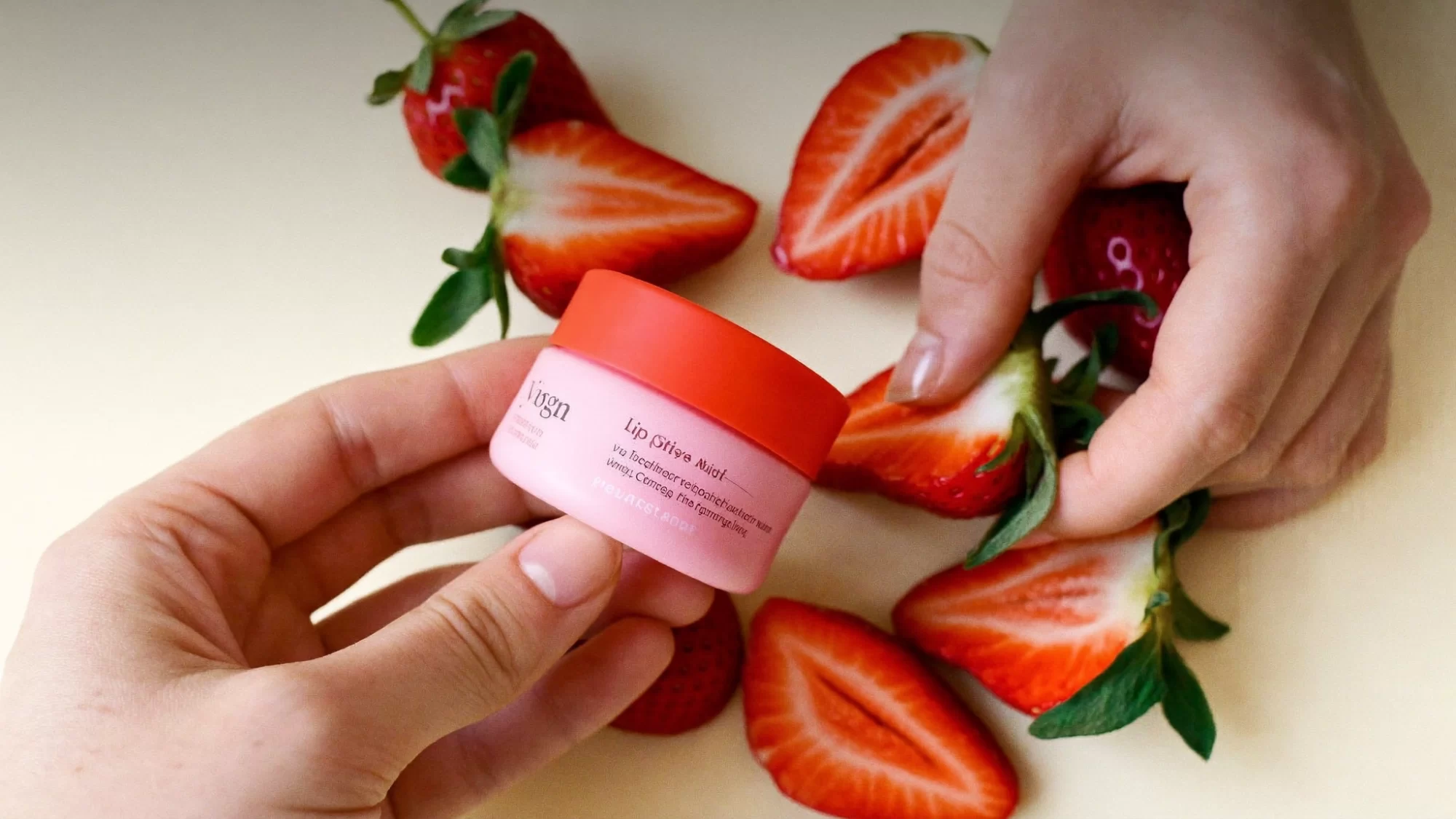
We build ingredient stories around a single hero, one clear job and one visual idea. The citrus in a vitamin C serum can glow on the pack. A barrier cream can look like a barrier. The story then runs through the carton, the listing, the product page, the creator brief and the answers AI search tools give when someone asks what your product is good for. Our SEO and AI search work makes sure those answers use your language, not a competitor’s.
Skincare packaging design for pharmacies and beauty retail
A pharmacy shelf is crowded, brightly lit and read quickly. Shoppers look for the brand they know, the concern they have and a price that makes sense. A beauty retail wall is different: more space, more colour, more browsing, more testers. Your cosmetics packaging design has to work in both, and usually in a mirrored bathroom cabinet as well.
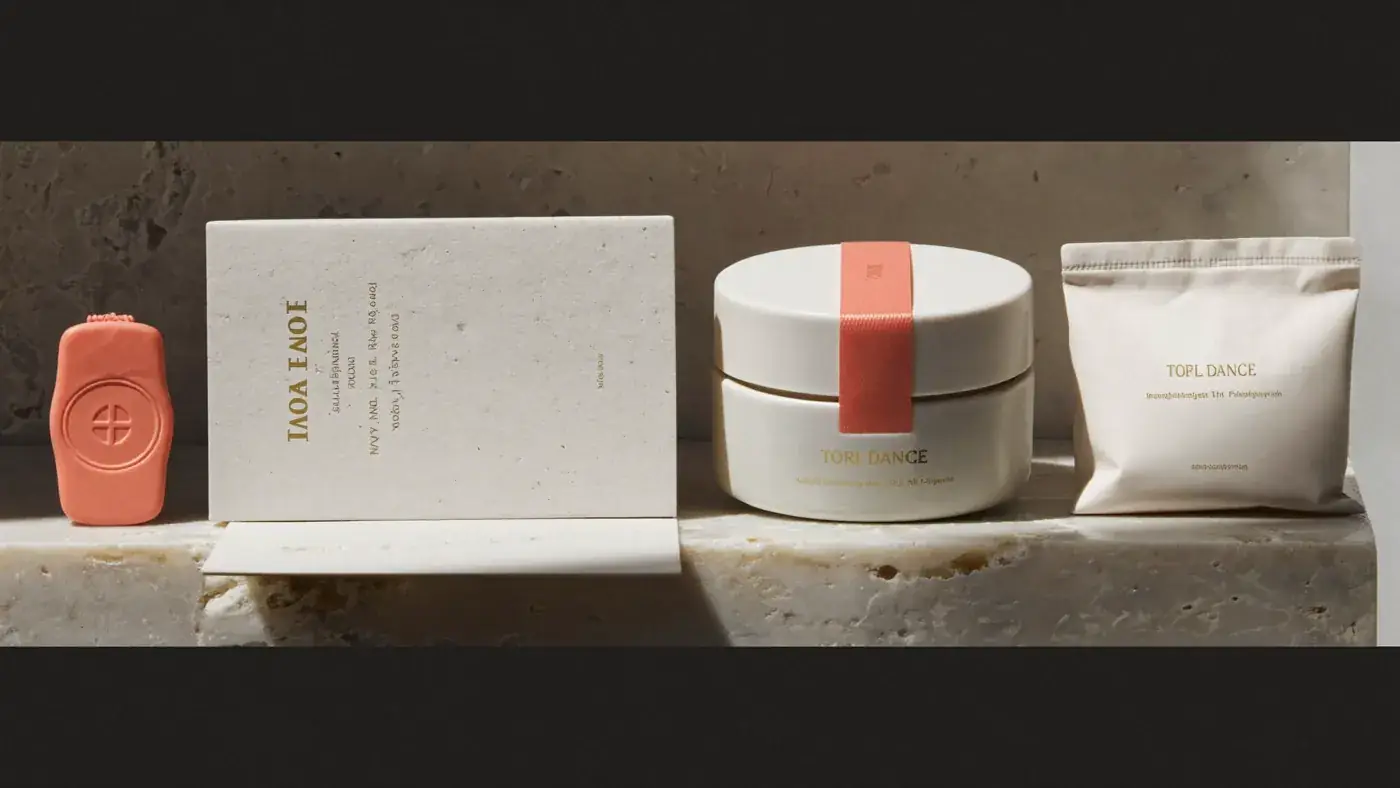
We design a clear hierarchy for every pack: brand block, concern or benefit, hero ingredient, format. Variants are coded by colour so a range reads as a family from two metres away. We test routes on mocked-up shelves next to your real competitors, under pharmacy lighting and retail lighting, before anything goes to print. Our packaging design service covers the full structure and artwork process.
Mandatory label content, including ingredient lists in the correct order, warnings, batch and expiry placement and market-specific statements, is designed from content supplied and approved by your regulatory team. We make it legible and well laid out. We do not provide product registration, notification or regulatory filing in any market, and we will always ask who on your side signs off the label copy.
Is your hero product still a grey smudge in the marketplace grid?
Show us your listingWinning the marketplace thumbnail
On Nykaa, Amazon, Sephora’s site, Noon or Tmall, your product first appears as a small square among dozens of near-identical white bottles. At that size, pale pastels vanish, thin type disappears and a beautiful minimalist carton becomes a blank rectangle.
We design with the thumbnail in mind from the first sketch, then build the listing image set alongside the pack:
- Hero image that is recognisable before it is readable.
- Texture and swatch, so she can see what it feels like.
- Hero ingredient explained in one line and one picture.
- How to use, with the step in her routine where it belongs.
- Size and format, so nobody is surprised when a 15 ml jar arrives.
We check every image at real marketplace sizes on real listing pages, on a phone, before it goes live.
Creators, AI talent and honest disclosure
Beauty is sold through faces. Creators, makeup artists, dermatologists and ordinary customers with good skin days all shape what people buy. We write creator briefs that give people room to be themselves while keeping your claims accurate, because a creator saying your cream “cures” something is a problem for you, not for them.
Our Studio also makes consistent AI talent: a recognisable face that can appear in product photography, social content and short films without a new casting for every shoot. It is useful for testing routes, for markets you cannot shoot in and for always-on content. We have firm rules about it. AI people are always disclosed as AI. We do not use AI talent to show before-and-after results, skin improvement or any product effect, because that would be a fabricated claim. And we disclose AI imagery in line with platform rules and our editorial standards.
Refills and sustainable beauty packaging, without greenwashing
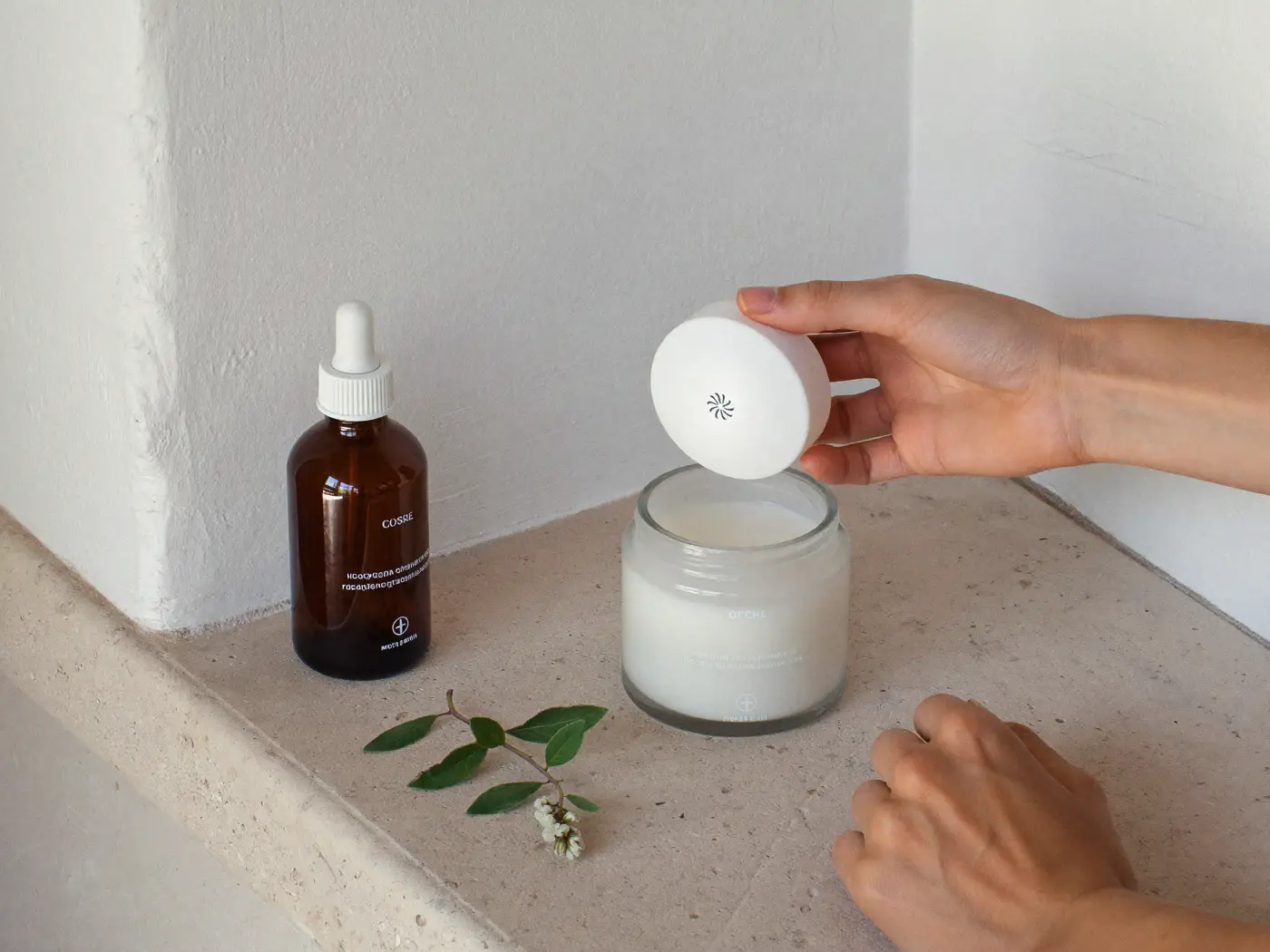
Refill pouches, glass jars, aluminium tubes, mono-material cartons and fewer inserts are all good choices, and shoppers are increasingly sceptical of brands that simply print a leaf on the pack. We design refill systems where the refill is as well considered as the original, easy to identify, easy to open and pleasant enough to leave on a bathroom shelf.
We keep sustainability claims specific and provable. “Refill uses less plastic than the original jar” is a claim your team can check. “Planet-friendly” is not. Where a claim needs a figure, the figure comes from you and your suppliers, and we design it clearly. Where there is no figure, we do not invent one.
Product photography and short films that show texture
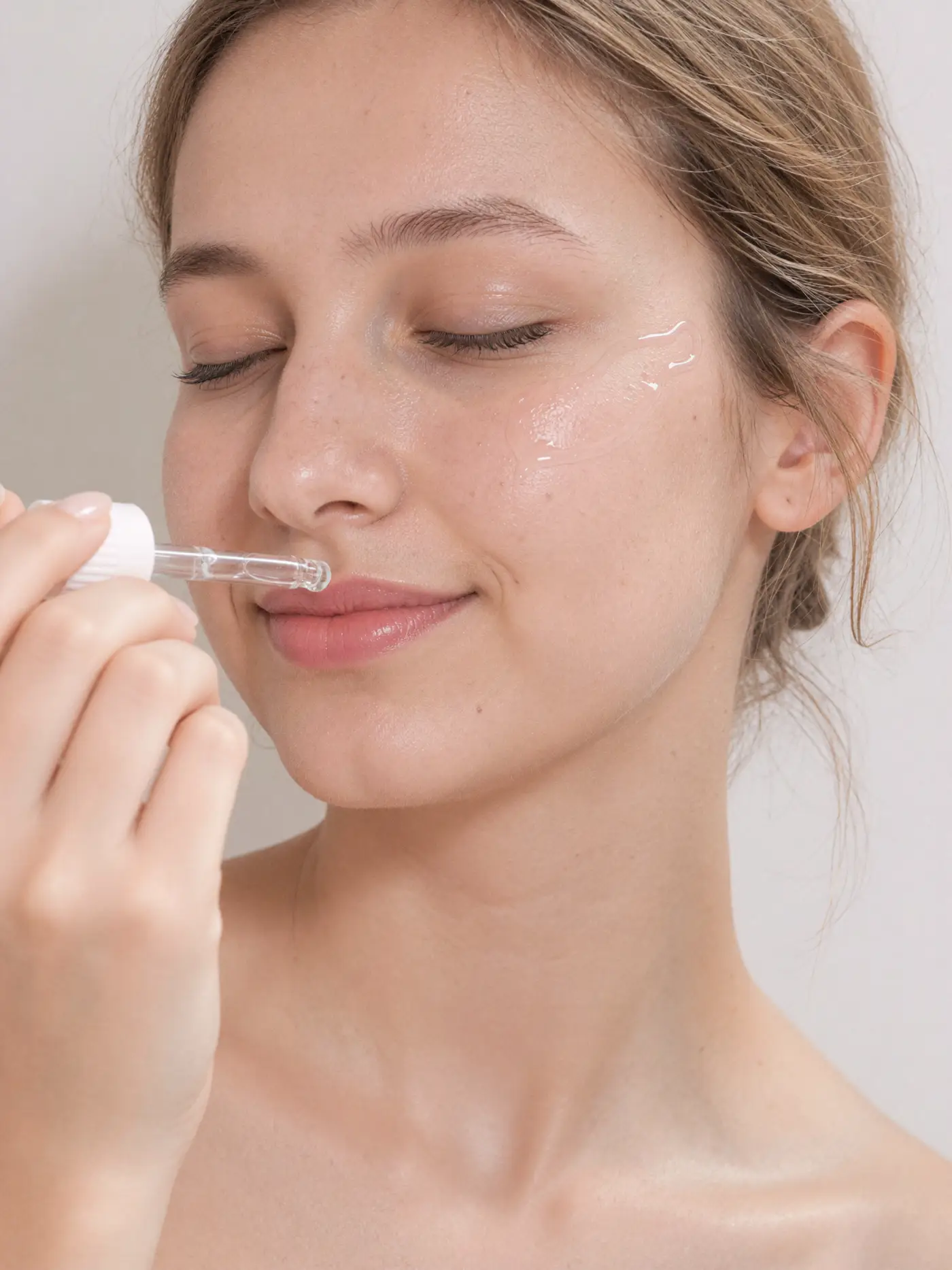
In beauty, the texture is the product. A serum that drips slowly, a balm that melts at the edge, a cream that holds a swirl when you lift the spatula. People decide with their eyes long before they touch anything, and most brand photography flattens exactly the thing that sells.
We direct product photography and short films built around one sensory moment per product: the pour, the swatch, the lid coming off, the first touch on skin. Our Studio also makes AI product photography and concept films for early-stage brands that need to test a look before paying for a full shoot. Our concept film for Dropetts, an invented pineapple lip balm brand, is an example: one product, one bright colour, one fresh ingredient, a few seconds long and made for a phone screen. Every film is cut in vertical, square and widescreen from the start, so the same idea works in a reel, on a product page and in a retailer’s digital screen.
How we work with beauty and skincare brands
Category walk
We study your shelf, your marketplace search results and your competitors’ listings, in every market you sell in.
Position and story
Claims-led or sensorial, hero ingredient, the sentence that sells it.
Identity and packs
Routes shown on shelf, in thumbnail and in hand, then refined into a range system.
Content and launch
Listing sets, product photography, short films, creator briefs and a media plan on a flat fee.
If you are launching a new line, our product launch team can run the whole campaign. If your brand sells alongside a fashion label or into luxury gifting, we can make the worlds meet without one swallowing the other.