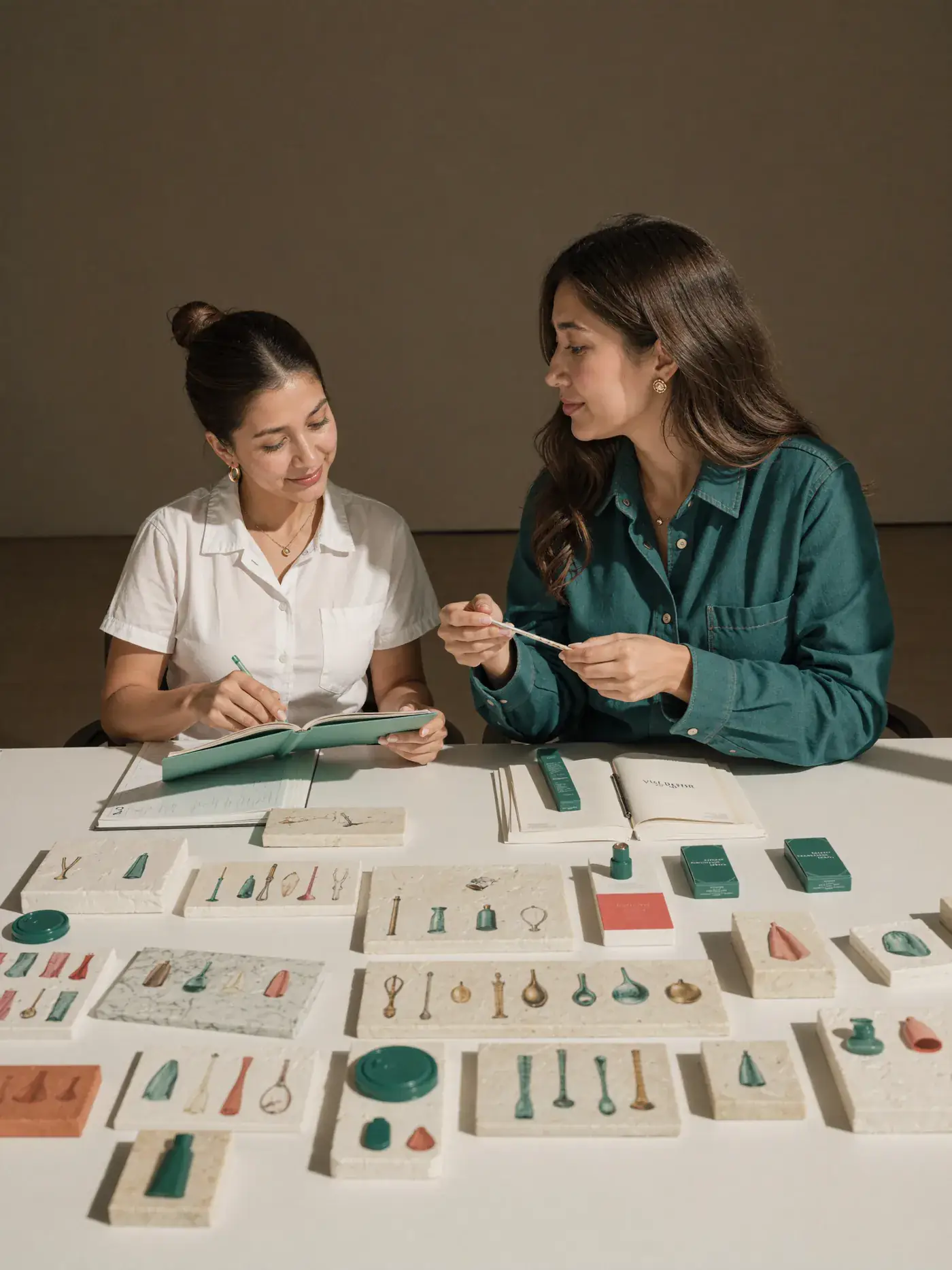
A useful packaging design brief makes those differences visible before agencies quote.
You do not need every answer at the start. You do need to distinguish what is decided, what needs advice and what another partner will supply. That lets you compare proposals by scope and responsibility rather than by the final number alone.
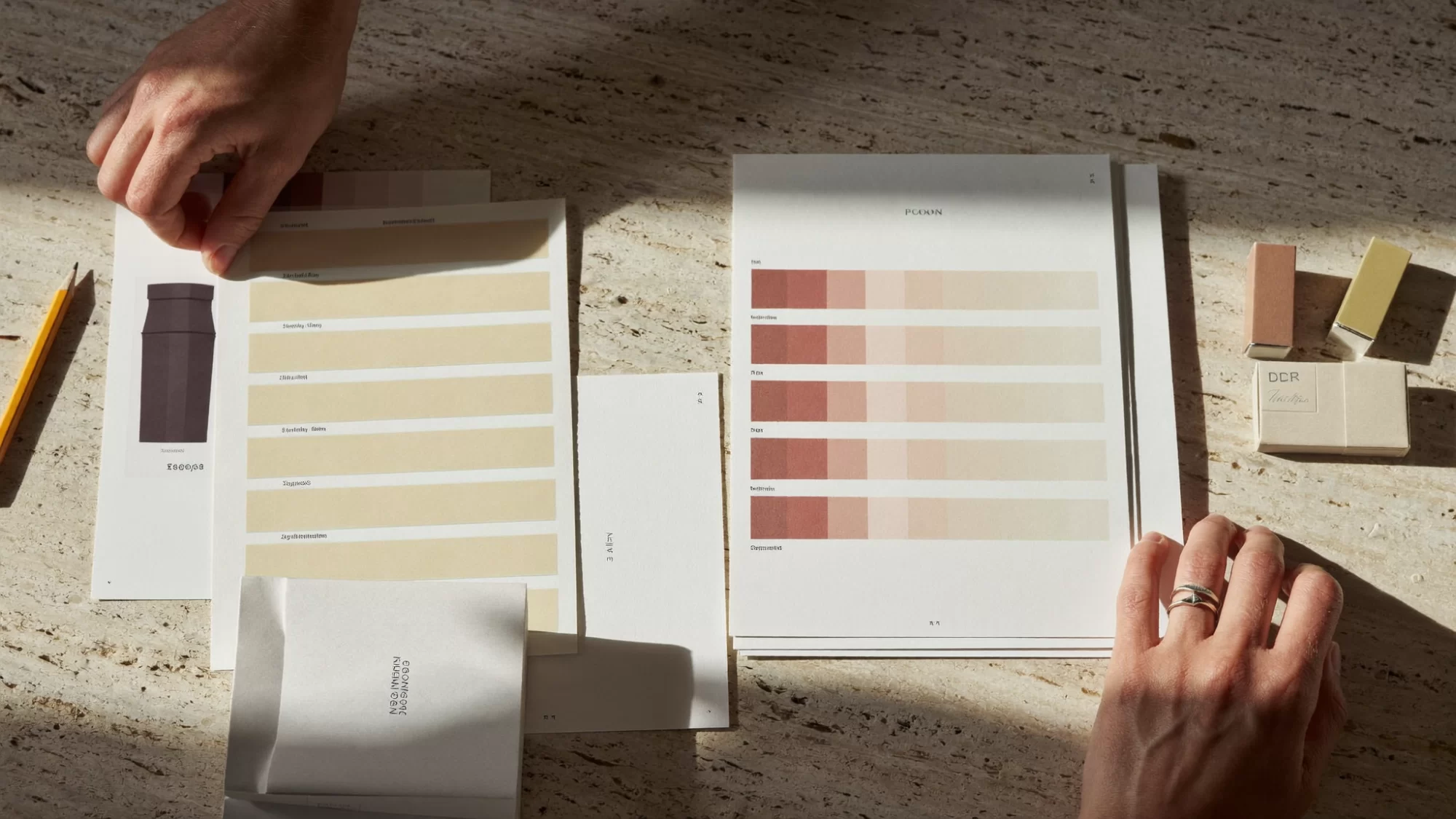
Explain the product and the buying situation
Begin with the product, audience and place of purchase. Describe whether the pack will be judged on a retail shelf, through small marketplace images, in a professional procurement process or across several channels. Include the price position and the alternatives buyers are likely to compare.
Then explain what the packaging needs to change. Perhaps variants look too similar. Perhaps the brand has moved upmarket while its presentation has not. Or a new product needs to communicate an unfamiliar use. A specific problem gives the design team something to evaluate beyond personal preference.
A brief you can copy
“Our product is ____. It is bought by ____ through ____. The packaging must help buyers understand ____. The current problem is ____. We have already decided ____. We need advice on ____.”
Count formats and variants separately
A SKU count alone can hide a large amount of work. Ten products on the same label format may share a system. Two products in different structures, materials and print processes may require substantially different production work. List the pack format, size, language, market and variant for each item.
| Item | Decision to document | Why it affects the work |
|---|---|---|
| Brand system | Existing identity or new direction | Sets the strategic and creative starting point |
| Pack format | Label, carton, pouch or other structure | Changes layout and production constraints |
| Variants | Flavour, size, formulation or product type | Determines adaptation and differentiation work |
| Language and market | Approved copy and destination | Changes space, review and version control |
| Production files | Printer specifications and dielines | Determines artwork preparation and checking |
| Launch assets | Product images, marketplace graphics or sales material | Adds deliverables beyond the physical pack |
Separate the design from production responsibilities
Ask the proposal to identify what is included in strategy, creative development, adaptation and artwork. Clarify who supplies the dieline, approved wording, barcode, mandatory information and printer specifications. The responsible business and specialist reviewers should approve market-specific product claims and required labelling before production.
A digital mockup helps judge the visual direction. It does not prove that the finished material, colour, fold or print treatment will look identical. Agree how physical samples, proofs and printer questions will be handled, and who has authority to approve production.
Explore packaging design services when you are ready to turn these decisions into a project scope.
Understand what changes the quotation
The largest variables are usually the amount of strategic work, the number of distinct design problems, the adaptation effort and the production responsibilities. Original photography, illustration, structural design, specialist finishes and launch content may require additional expertise or separate budgets.
Ask how revisions are handled. “Unlimited revisions” gives little insight into approval discipline. A clearer proposal describes the number of concepts or directions, the review stages, the included revision rounds and how a change to the approved brief affects timing and fees.
Creative scope
What is being developed from scratch, and what uses an existing system?
Artwork scope
Which files, sizes, variants and languages will be delivered?
Production support
Which proofs, checks and supplier conversations are included?
Ownership and handover
Which editable files, fonts, licences and usage rights will the business receive?
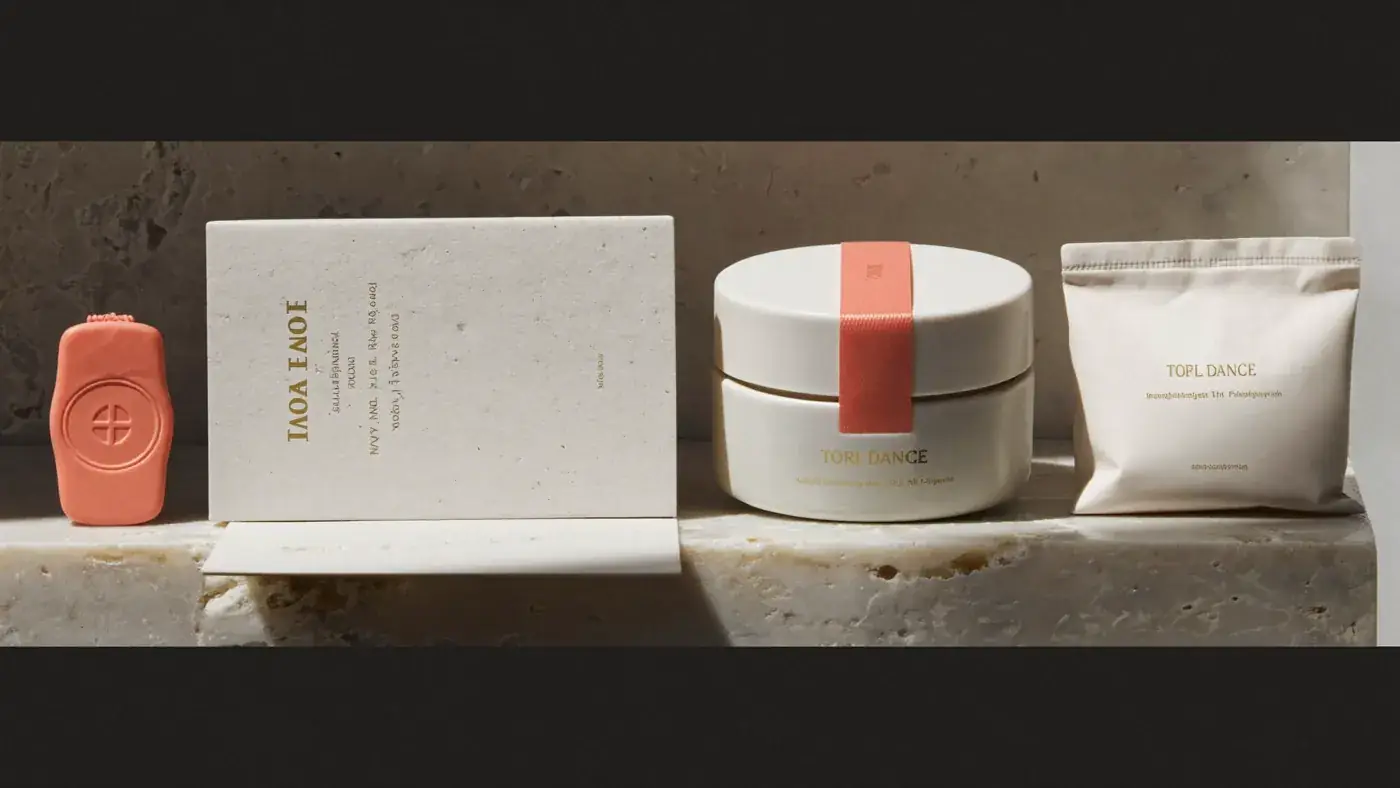
Conceptual image, not client work.
Review design against agreed questions
Set the review criteria before seeing concepts. Can buyers identify the brand and product? Can they distinguish variants? Is the most important information clear at the size and distance that matter? Does the design fit the intended channel and price position? Can the artwork work within the actual production constraints?
These questions do not remove judgement, but they make feedback more useful. “The flavour is hard to identify in a small marketplace image” gives a designer a problem to solve. “Make it pop” does not explain what the buyer is missing.
If possible, review concepts in context: among alternatives, in a hand, on a shelf or at the image size used online. Use representative participants where practical. Label small qualitative tests as directional rather than claiming they predict market performance.
Send the product, formats and approximate SKU count. Mark anything you still need help deciding.
Scope our packaging projectPlan the handover before launch
The final package should be usable by the next person in the chain. Agree file naming, version control, approved colour references, image links and the way print-ready files will be distinguished from working files. Keep approval records with the artwork.
Decide who maintains the system after launch. New flavours, pack sizes and language versions should extend the approved rules instead of restarting the design conversation every time. A concise adaptation guide can reduce avoidable inconsistency across future products.