
Your company does genuinely interesting work, and almost nobody outside the building knows about it. The engineers solved a problem that stumped a customer for years. A plant team cut its waste in a way other factories would copy. The founder has a sharp view on where the industry is heading. Yet the news page carries three press releases about certifications and a photograph of a ribbon being cut.
Corporate storytelling, sometimes called brand journalism, is how you close that gap. We find the stories already inside your company, report them properly and publish them where your buyers, investors, candidates and the press will read them. It is editorial work done to a newsroom’s standard, for a company rather than a newspaper.
What makes a corporate story worth reading?
Most corporate content fails for the same reason: it is written to please the people inside the company rather than to interest anyone outside it. A good story has a person in it, a problem that mattered, a decision that could have gone either way and a result someone can check. “We are committed to innovation” has none of those. “How our test lab found the fault that three suppliers missed” has all four.
We start every piece by asking who will read it and what they will get from it. A procurement head wants to know whether you can be trusted with a critical part. A graduate engineer wants to know whether the work is interesting. A journalist wants something new, true and specific. The same raw material can serve all three, told three different ways.
Turning technical work into stories people read
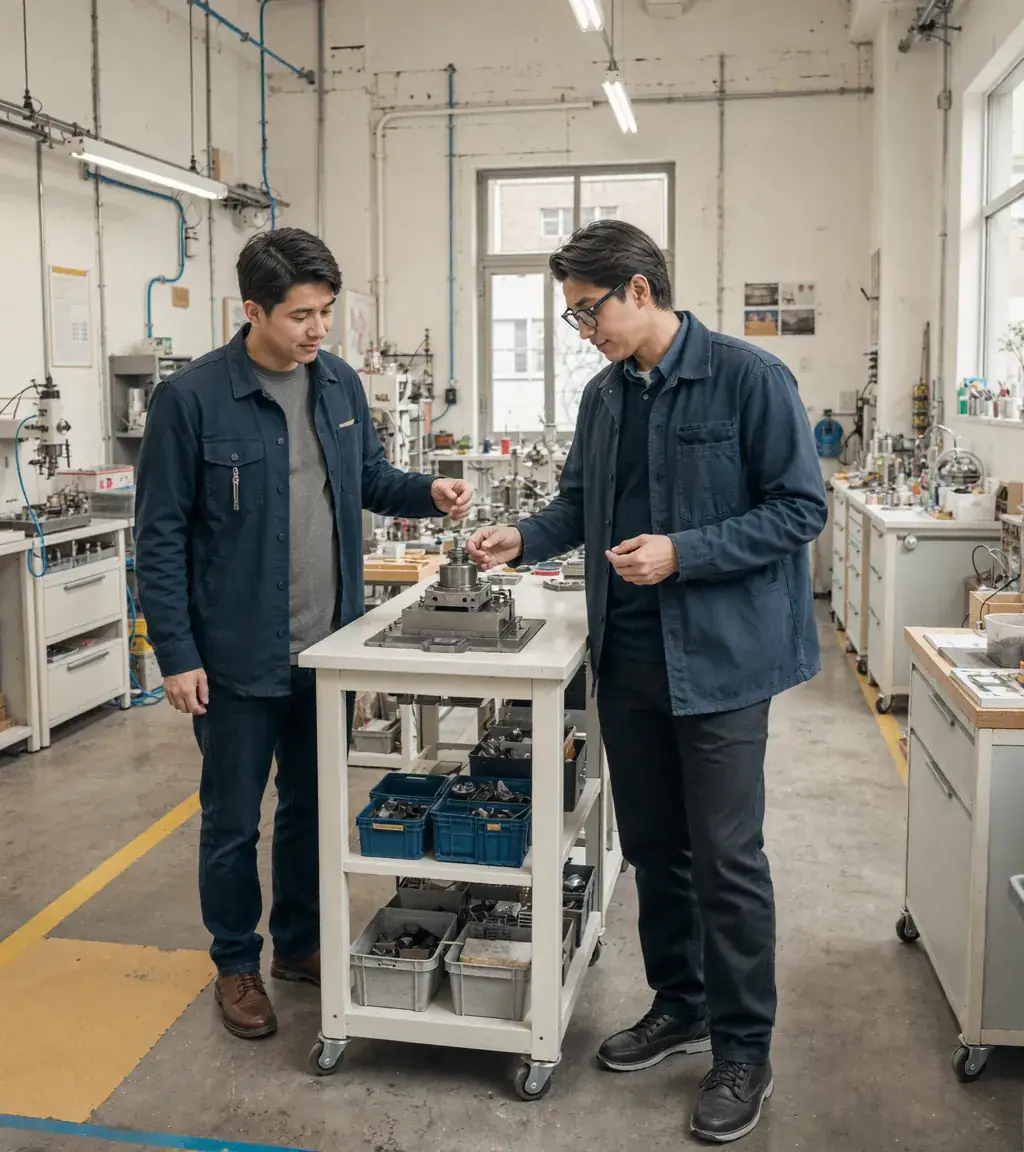
This is the part most agencies avoid, and where we are most at home. Engineering-led and industrial businesses often have the richest material and the hardest time explaining it. The value sits in a tolerance, a test result, a process change or a clever bit of firmware, and the people who understand it best are busy.
Our writers interview engineers and specialists over video, ask the patient beginner’s questions, and draft in plain language without stripping out the substance. Every technical claim goes back to the expert for checking before anything is published. Diagrams, short films and annotated photographs often do more than paragraphs, so we plan the format around the idea rather than forcing everything into a blog post.
A company newsroom and an editorial calendar
Stories need a home and a rhythm. We design a company newsroom inside your site with our website team: features, news, leadership articles, media resources and contacts, organised so a journalist can find a fact quickly and a buyer can browse by industry or product. Our SEO team structures it so your stories can be found for the questions your customers actually search.
The editorial calendar keeps it alive. We plan a few months ahead around your product launches, trade shows, results, hiring pushes and industry moments, with slots left open for the stories nobody predicted. Each item has a working title, an owner on your side, a source to interview and a publishing date. It is a document your team can read in five minutes on a Monday and know what is happening.
Sitting on stories nobody outside the company has heard?
Tell us what you are working onFounder and leadership articles that sound like the person
A founder’s or chief executive’s view is often the most valuable story a company has, and the hardest to get onto the page. We interview them, find the argument they actually hold and write it in their voice. They review and approve every word before it goes out under their name; nothing is published that they would not say in a meeting.
These pieces work well as LinkedIn articles, opinion pieces offered to trade titles and essays in your own newsroom. Where a leader wants a longer-term public profile, speeches and interviews included, our leadership communications team takes that on.
Customer and engineer stories, told with permission
Customer stories persuade buyers like little else, and they are also where companies most often overreach. We only publish a customer story when the customer has agreed to be named, has seen the draft and has approved every figure in it. Where a customer prefers to stay anonymous, we say so plainly and keep the detail general enough that they cannot be identified.
Engineer and employee stories follow the same rule: the person agrees, reads and approves. The best ones show the work as it really is, including the false starts, which is exactly what makes them believable.
Corporate films, LinkedIn and everything in between
Some stories need to be seen. We script and produce corporate films with our film and photography team, from a two-minute portrait of a plant team to a short documentary on a major project. We cut each film into shorter pieces for LinkedIn and the newsroom so one shoot feeds several months of the calendar.
On LinkedIn we plan a rhythm for the company page and help named people share stories they were part of, in their own words. Paid promotion is optional and planned on a flat fee through our media planning and buying team when a piece deserves a wider audience.
How a storytelling programme runs
Story audit
Interviews across the company to find the stories, the sources and the gaps.
Story map and voice
The themes you can own, linked to your brand strategy, and how you sound.
Newsroom and calendar
A home for the work and a plan for the coming months.
Report and produce
Interviews, drafts, films and photographs, checked by the people in them.
Publish and learn
Distribution, then a regular look at what people read, shared and asked about.
Storytelling sits inside your wider corporate communications and draws on the same editorial standards as our content and editorial service. We judge it by whether the right people read it, return and get in touch, not by how many pieces we publish. Fees are flat and agreed per scope, and the first call is free. The case notes below come from our team’s experience in earlier roles, explaining complicated services and technical portfolios to people who had a few seconds to decide whether to care.
What to send us: a link to your current news or blog page, three things your company has done recently that you wish more people knew about, the names of two or three people inside the business with a story to tell, and who your most important readers are.