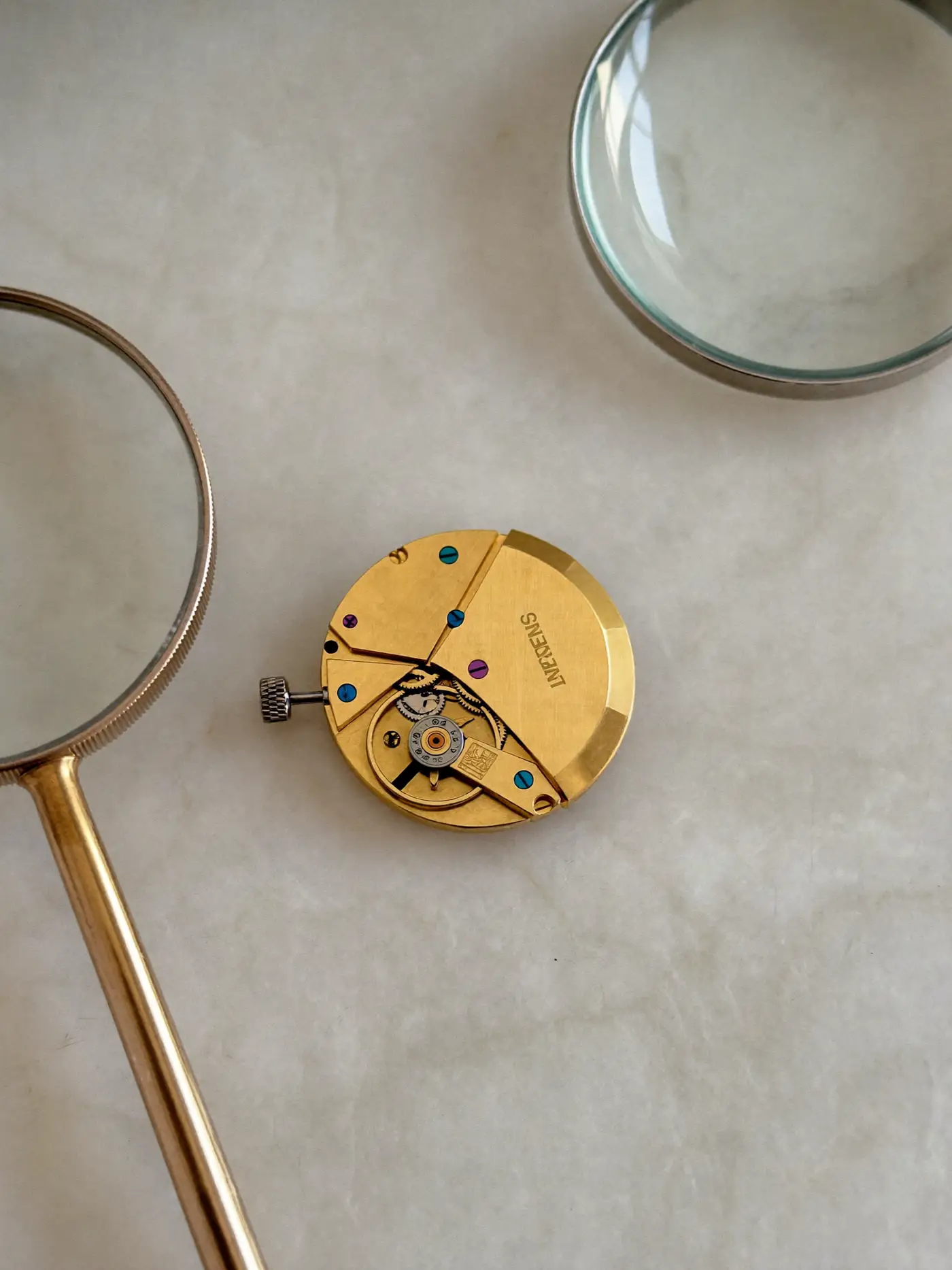
Luxury is the only category where saying less makes people pay more. Yet most jewellery and luxury brands, under pressure to grow online, start shouting: sale banners, countdown timers, ten posts a week, a discount code in every email. Each one is small. Together they teach your best customers that the price on the tag is negotiable and the piece is ordinary. As a luxury branding agency, our work is mostly about restraint: deciding what to leave out, and making what stays feel inevitable.
We work with fine jewellery houses, bridal and diamond specialists, heritage jewellers, contemporary designer labels, watchmakers, leather goods, fragrance and premium gifting brands. Some have a century of history and a family name on the door. Some launched last year from a studio and an Instagram account.
What these houses share is a client who notices everything. The weight of the box, the paper of the certificate, whether the adviser remembered her daughter’s name, whether the website loads a pop-up before she has seen a single piece. Luxury is judged in details, so we work in details.
What does a luxury brand strategy actually decide?
A luxury brand strategy answers a small number of hard questions. Who is your client, and who is not? What will the house never do, whatever the quarter looks like? What makes a piece recognisably yours without a logo on it? And where do you sit on price, relative to the houses your client also buys from?
The answers become rules. How often you post. Whether you ever discount. Which collaborations you accept. What the boutique smells like. Rules sound restrictive. In luxury they are what make a brand feel certain of itself, and certainty is what clients pay for.
Price architecture: how a collection should be tiered
Most jewellery brands sell across a wide price range, from an everyday pendant to a one-of-a-kind high jewellery piece. The risk is that the entry pieces drag the whole brand down, or that the top pieces feel unreachable and irrelevant.
| Tier | Role in the brand | How we present it |
|---|---|---|
| Entry | First purchase, gifting, self-reward | Clear collections, simple packaging upgrade, never discounted |
| Core | The signature, the piece people recognise | Hero photography, the house story, consistent in every channel |
| High | Craft, rarity, the reason the house exists | By appointment, private viewings, fewer and better images |
Each tier needs its own role and its own presentation, while the house stays one voice. We design the naming, collection structure and packaging steps so a client can move up the tiers over years, and feel the step each time.
Heritage or modern: choosing what to carry forward
Heritage jewellers often have more history than they know what to do with: archive sketches, a founder’s workbench, a first shop, a signature setting. Modern labels have the opposite problem, a strong design point of view and no story yet. Both need editing.
For heritage houses, we help you choose the two or three pieces of history that matter to today’s client and retire the rest, so the brand feels rooted rather than dusty. For modern brands, we build a jewellery brand identity around a clear idea about material, form or wearer, so there is something to be loyal to beyond this season’s design.
How many discount codes did your house send last year?
Talk to us quietlyPhotographing small precious objects
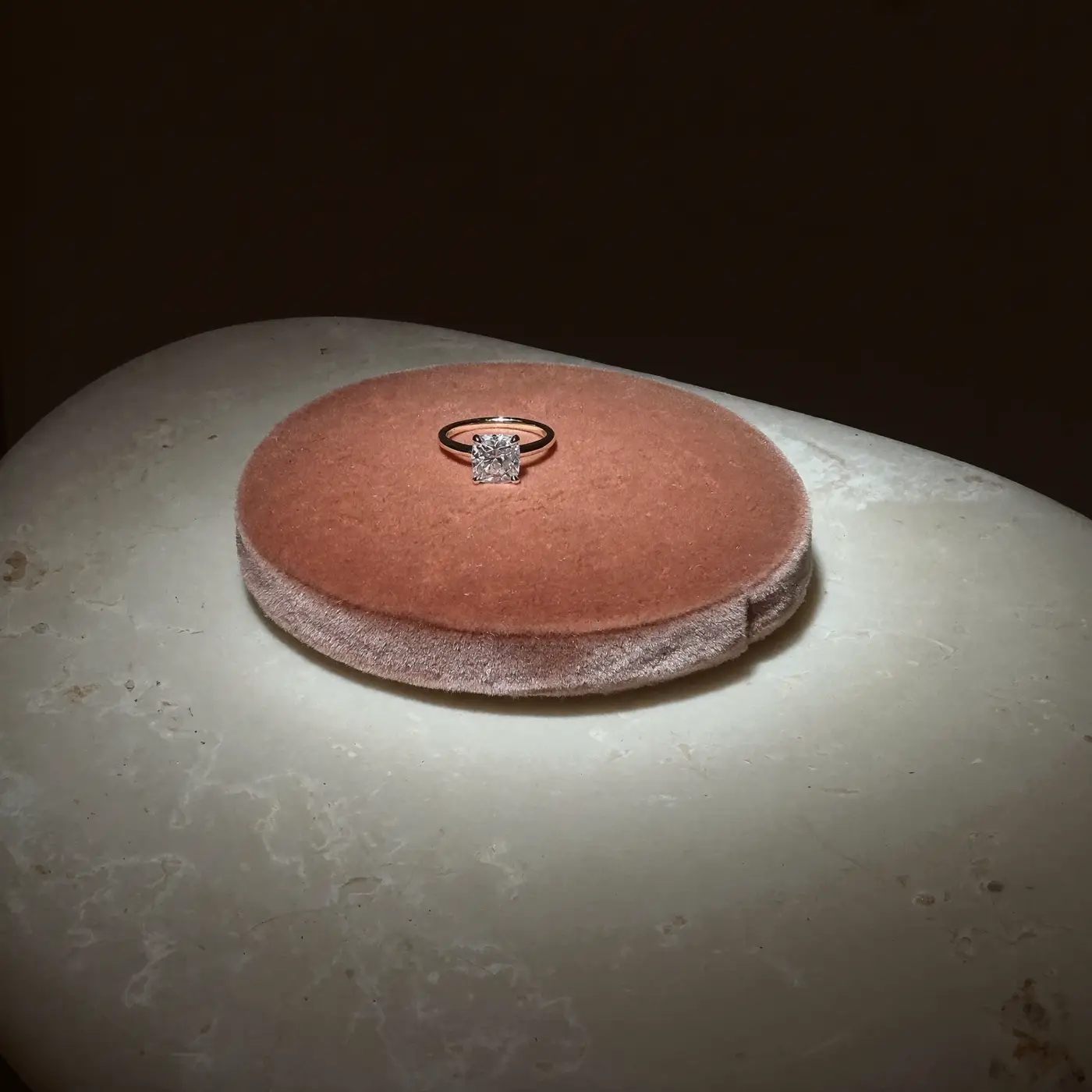
A ring is about two centimetres across. On a website it becomes a picture the size of a hand. On a marketplace or social grid, a picture the size of a thumbnail. Every flaw in lighting, every smudge on the metal, every wrong reflection is magnified.
- Light for the material. Diamonds need sparkle, gold needs warmth, pearls need softness, and each needs different light.
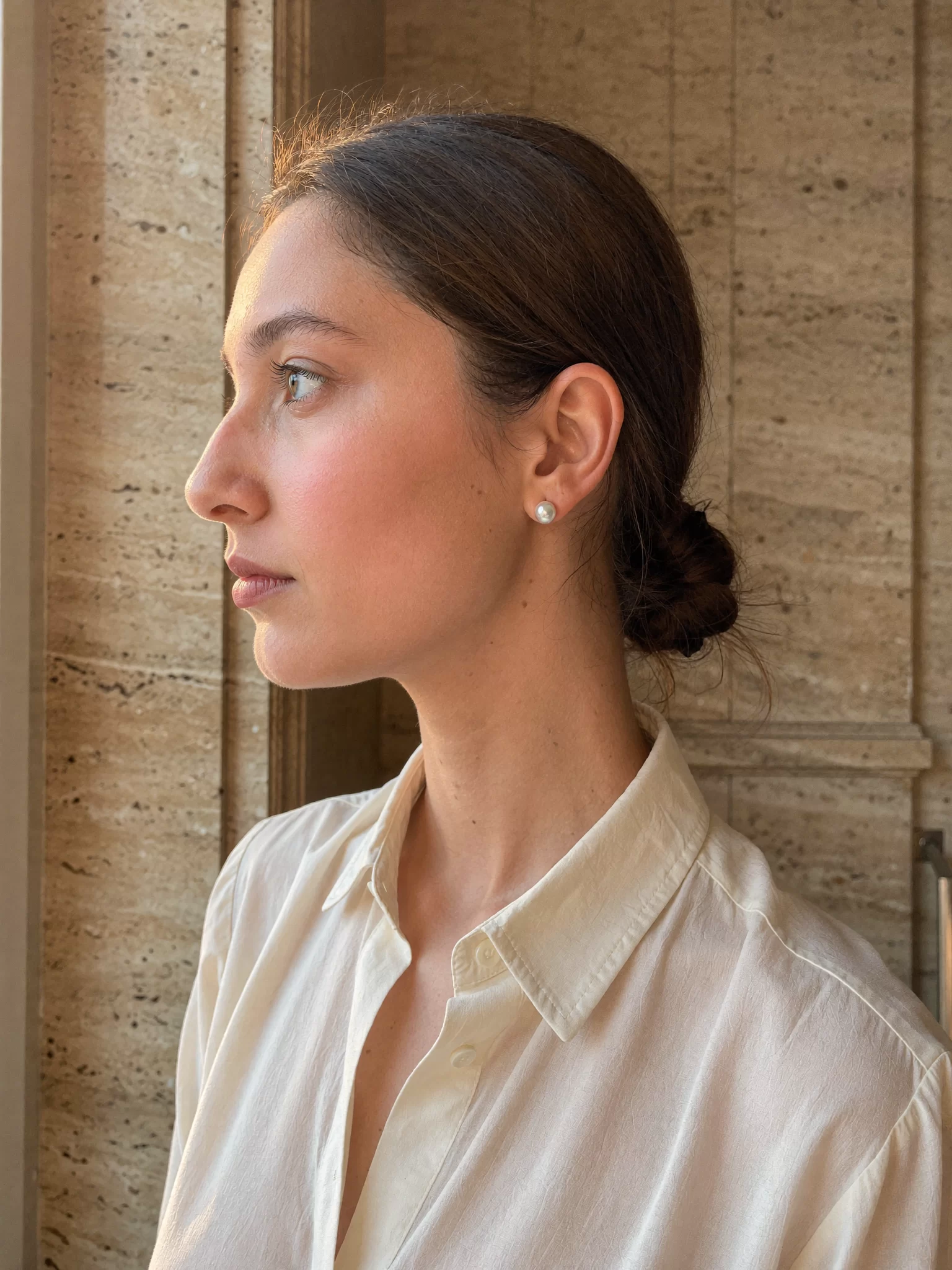
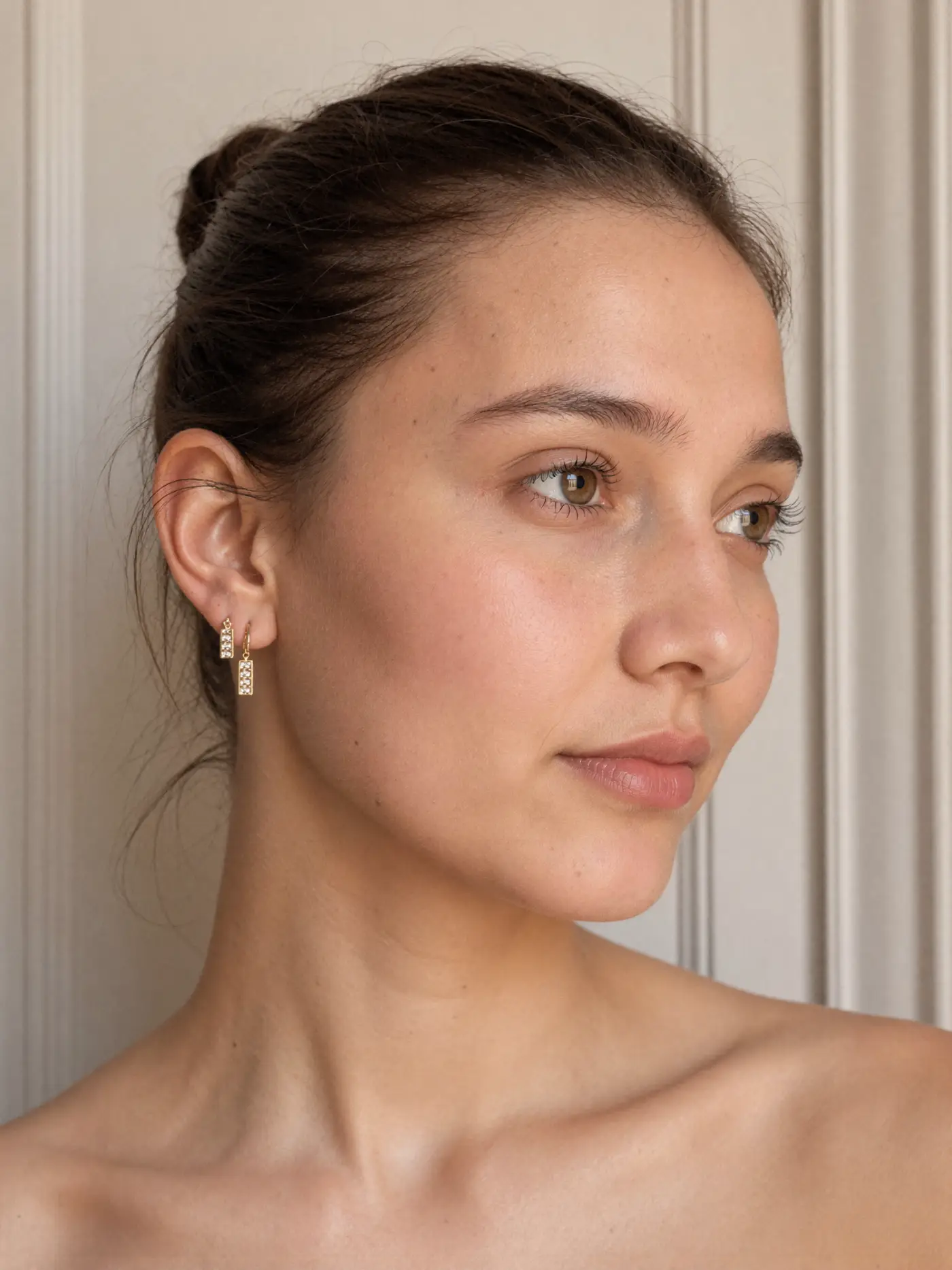
- Show scale honestly. Every piece shown on a hand, an ear or a neck, so nobody is surprised when the box opens.
- Consistent angles. A catalogue where every piece is shot the same way lets clients compare, which is how they decide.
- One campaign image per season that carries the mood, and restraint everywhere else.
Our Studio also produces AI product photography and consistent AI talent for mood, concept and campaign work. AI people are always disclosed as AI. For product pages, where the client must see exactly what they are buying, we recommend real photography of the real piece.
Bridal, milestones and the purchases people remember
Engagement rings, wedding sets, a first real piece after a promotion, an heirloom for a new child. In jewellery, many purchases mark a moment in someone’s life, and the client will remember how the house made them feel for years afterwards. Often the buyer is nervous, researching for weeks, comparing cuts and certificates on a phone late at night.
We design for that nervousness. Clear guides to stones, metals and sizing that answer questions without talking down. An appointment flow that feels like an invitation rather than a sales form. A presentation moment in the boutique or on a video call that is worth remembering. And a follow-up that honours the occasion: an anniversary note a year later, a cleaning reminder, an invitation to see the next collection first.
Naming collections so they can be asked for
A collection name is how a client asks for a piece in the boutique, searches for it online and recommends it to a friend. Codes and generic words make that hard. We name collections so they are easy to say in several languages, reflect the design idea and sit well together across the house.
The boutique and the website should feel like the same house
A luxury client might discover you on a phone, visit the boutique, think about it for a month and buy over a video call. The experience has to feel continuous. The same pace, the same tone, the same care.
We design luxury websites that behave like a good boutique: calm, generous with space, quick to load, easy to book an appointment or ask a question. We design the in-store details too: signage, display cards, the certificate folder, the tray a piece is shown on.
Gifting, packaging and clienteling
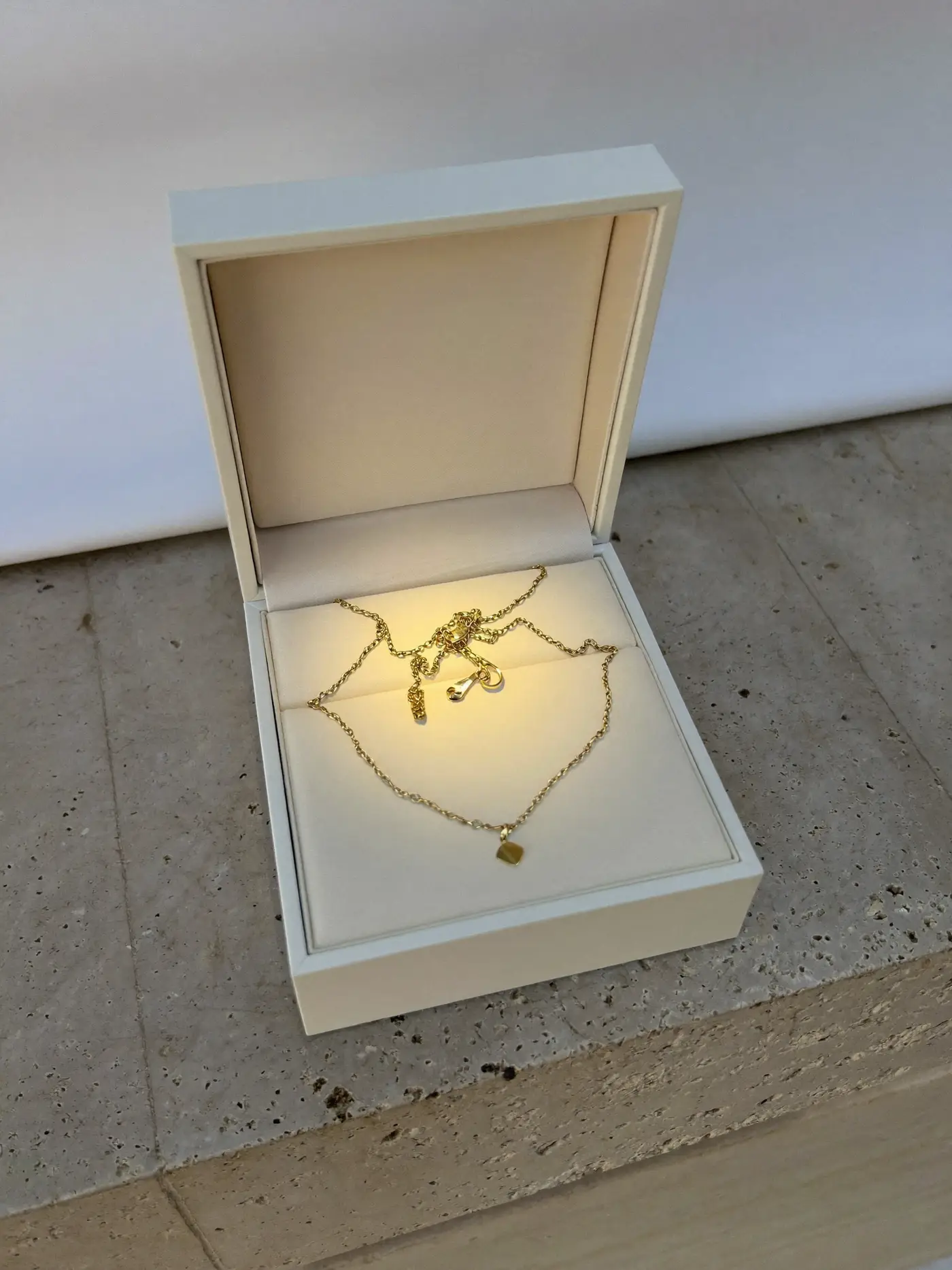
Much fine jewellery is bought as a gift, and the box is the first thing the recipient sees. Premium packaging design for jewellery is about weight, texture and the moment of opening: the resistance of a hinged lid, the colour of the lining, a card in the founder’s hand. We prototype with your box makers and never sign off from a screen alone.
Clienteling is where luxury houses keep clients for decades. We design the tools your client advisers use: anniversary and birthday messages, private preview invitations, aftercare reminders, the letter that accompanies a bespoke commission. Short, personal, never a mass email with a first-name field.
Digital marketing without cheapening the brand
A luxury brand can and should be online. The question is how. We plan jewellery marketing that grows reach without spending the brand’s value to get it:
- Fewer posts, better pictures. A slower feed looks more confident.
- Search that answers real questions about cuts, metals, care and ring sizing, through SEO and AI search.
- Paid media in the right places, planned and bought on a flat fee, never a percentage of spend.
- Events and private viewings promoted to clients before anyone else.
If your house works alongside fashion or beauty and fragrance, we can shape all of it into one world.