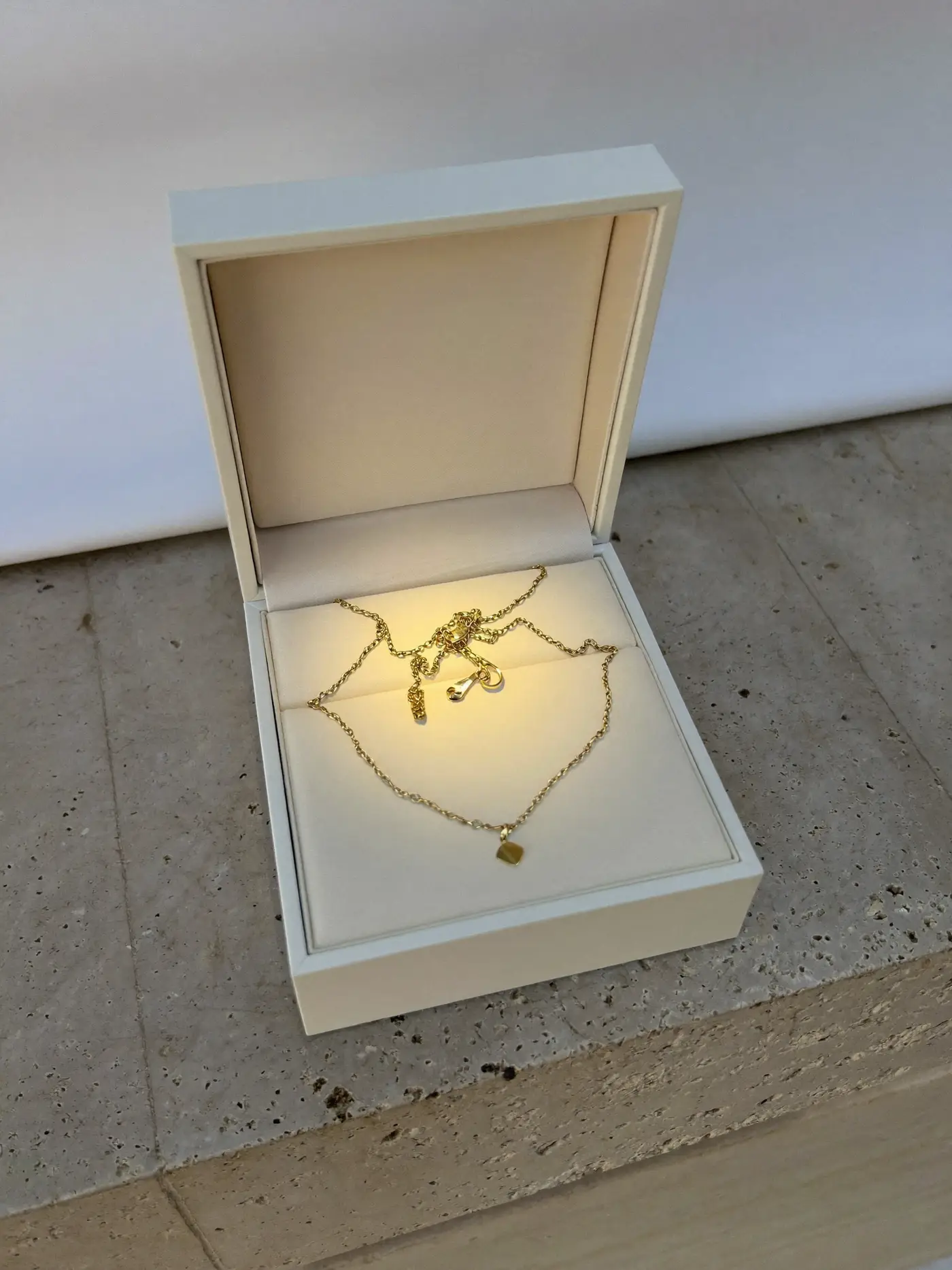

Your product costs more to make than most of what sits beside it, yet customers keep asking for a discount. Cover the logo on your website, your catalogue or your boutique window and you could be any of a dozen brands in your category: the same black backgrounds, the same gold type, the same model looking away from the camera. The problem is rarely quality. It is that nothing in the way you present yourself explains why you are worth the price you ask.
We build premium and luxury brands for companies that want to command a higher price and keep it: jewellery and watch houses, fashion and accessories, fine food and drink, beauty and fragrance, hospitality, interiors, and premium lines inside larger consumer or electronics businesses.
What makes a brand feel premium?
Premium is a judgement customers make from many small signals, most of which they never consciously notice. The weight of a box lid. The space around a headline. Whether the product photograph shows a scratch-free surface or the grain of real leather. Whether the sales associate rushes to the till or wraps the piece slowly. Each signal either supports the price or quietly argues against it.
The brands that hold their price share one habit: they decide what they stand for and then remove everything that does not serve it. That decision belongs in brand strategy, where we write a brand argument your business can actually prove, whether that is a material, a technique, a provenance, a designer or a standard of service. Expensive-looking design without that argument is just decoration.
Restraint: the hardest discipline in luxury
Every team wants to add things. One more claim on the pack, one more product in the hero banner, a sale badge for the festive season, a bigger logo because the distributor asked for it. Each addition seems reasonable on its own. Together they turn a quiet, confident brand into a busy one.
So we write restraint rules alongside the identity: how much empty space a layout must keep, how many typefaces and weights are allowed, which words the brand never uses, how many products appear in one image. They read like constraints, and that is the point. They give your team permission to say no when a request would cheapen the brand.
Materials, craft and packaging finishes
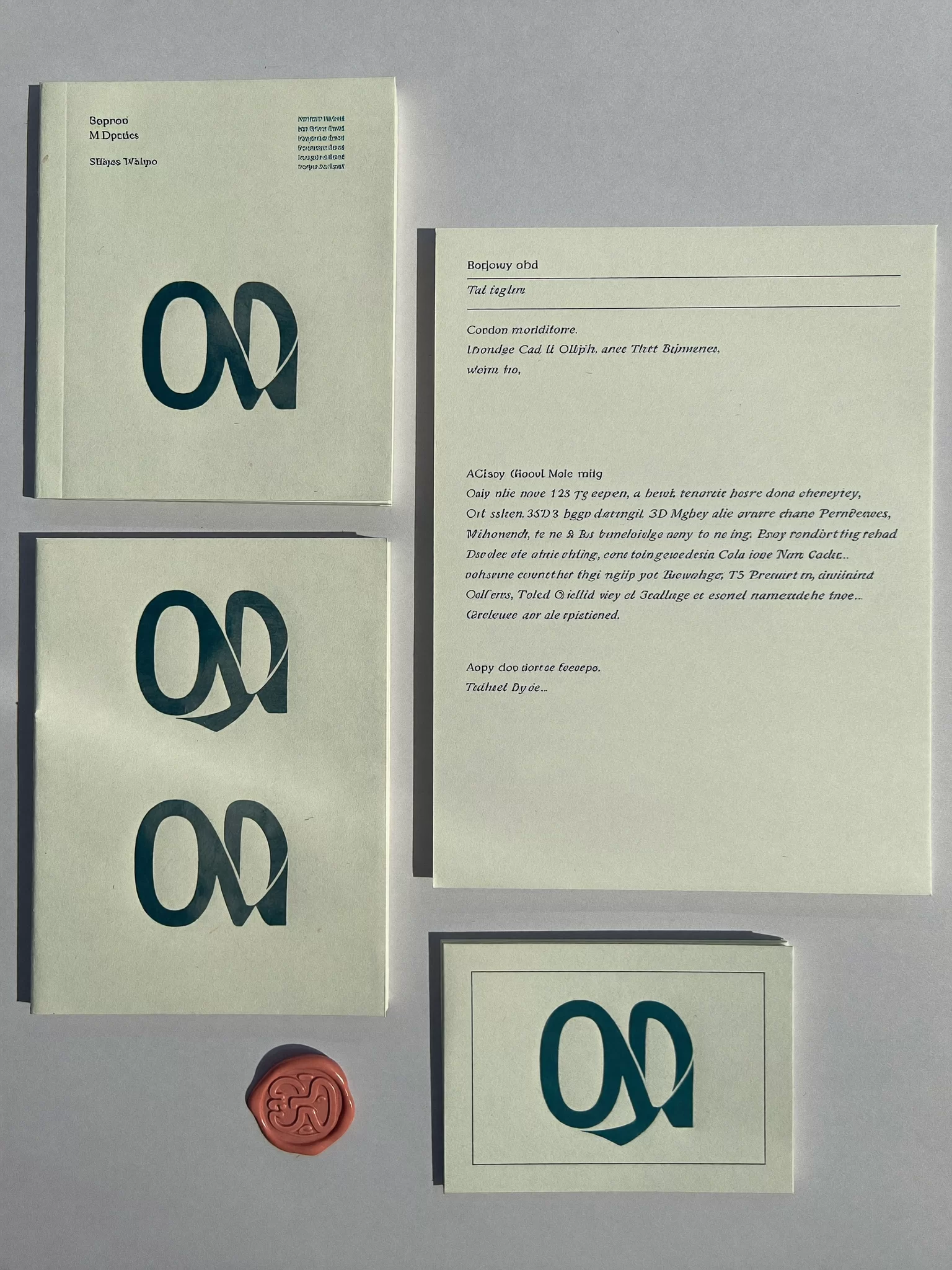
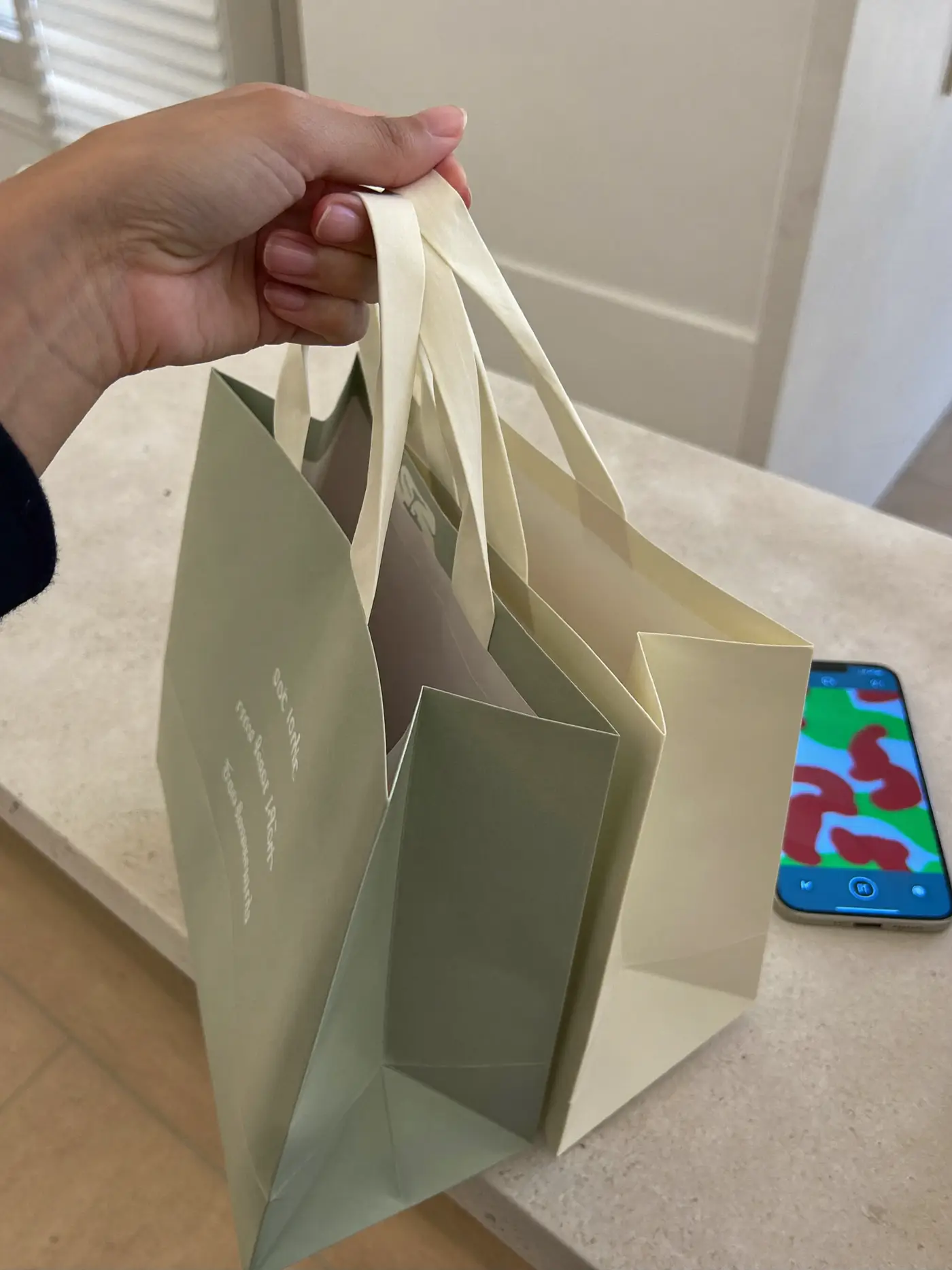
Luxury is felt before it is read. We specify packaging and print with the same care as the product inside: board weight and rigidity, paper texture, colour matching across substrates, blind embossing, debossing, foil, edge painting, magnetic or ribbon closures, tissue, inserts and the sound a lid makes when it lifts. Our packaging design team works with the printers and converters you choose, and we check proofs and physical samples before anything is approved.
More finishes do not make a pack more premium. One well-chosen detail, a deep emboss on an uncoated board or a single foil line, usually says more than five competing effects. We also design for what happens after purchase: the box that is kept on a dressing table, the pouch that is reused, the card that is saved.
Photography direction that looks like you
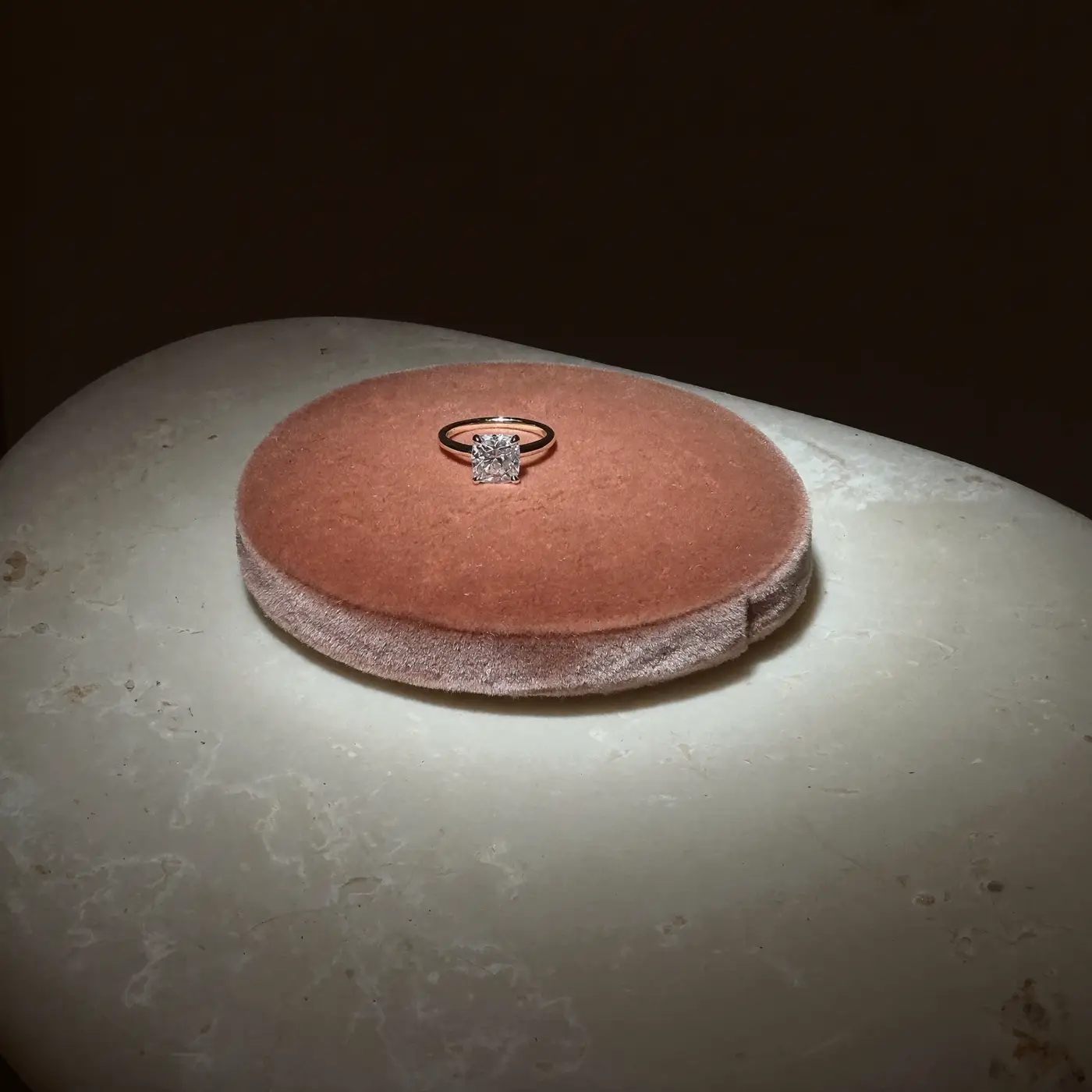
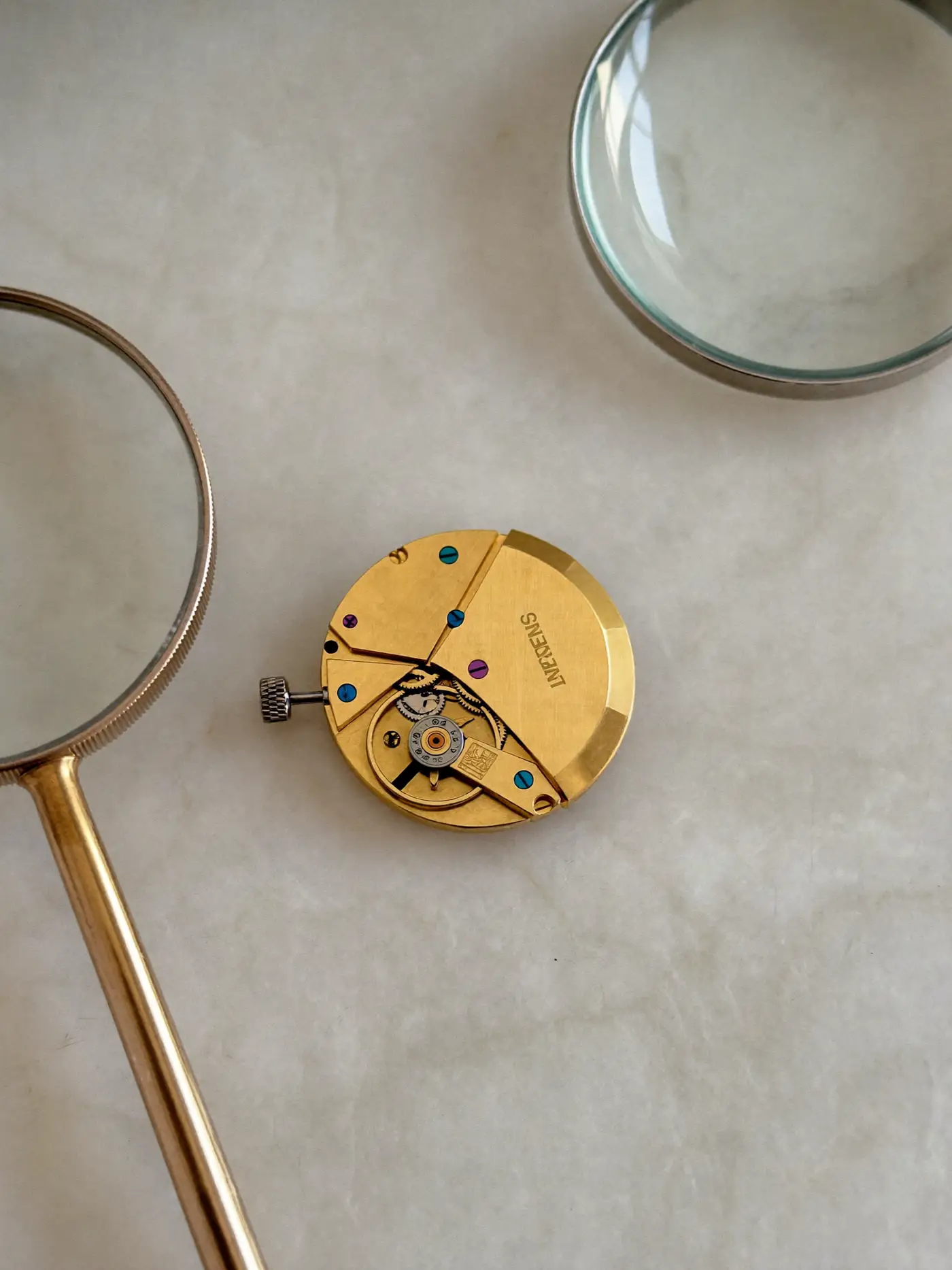
Category photography converges. Every watch is shot at ten past ten on dark slate; every serum floats on water. We write photography direction that gives your brand its own way of seeing: a light quality, a palette of surfaces, styling rules, crops, how close the camera comes to the craft and whether people appear at all. Our film and photography team and our Studio then produce to that direction, including AI product photography where it suits, always disclosed in line with our editorial standards.
Would anyone recognise your brand with the logo covered?
Send us the briefService rituals, retail and digital experiences
The moments around the purchase often decide whether a customer returns. How a piece is presented across the counter, how it is wrapped, what the handwritten card says, how an appointment is confirmed, what arrives in the inbox a week later. We design these rituals as part of the brand, with scripts, templates and materials your staff can follow without sounding rehearsed.
Online, the same discipline applies. A premium website loads fast, shows the product large and close, writes product descriptions with the care of a catalogue essay and never interrupts the visitor with pop-ups shouting about discounts. Checkout, delivery emails and the unboxing are treated as one sequence. When customers search for your category, our SEO and AI search work makes sure the answers they find describe you accurately.
Price architecture as a brand signal
We do not set your prices, and we do not give financial advice; that belongs to your commercial team. What we do is make sure the price structure and the brand tell the same story. A few principles guide that conversation:
- Entry pieces should feel like the brand, not like a cheaper brand that borrowed the logo.
- Steps between tiers should be explained by something the customer can see or understand: material, complexity, rarity, service.
- Frequent discounting teaches customers to wait. If promotions are part of your model, we design them so they do not undermine the core range.
- Limited editions must actually be limited, or the word stops working for everything else.
Protecting distinctiveness when partners produce your material
Retailers, department stores, distributors, marketplaces and franchise partners all make material with your name on it. Left alone, each will resize the logo, crop the hero image, add their own badges and rewrite your copy to fit their template. Within a year the brand looks different in every market.
We give partners a standard they can use: a short, visual rulebook, ready-made assets for their formats, approved copy in the languages they need and a clear approval route for anything new. The detailed rules sit in your brand guidelines; the partner version is shorter and written for someone in a hurry. When your launches rely on bought media, our media planning keeps placements in surroundings that suit the brand, on a flat fee rather than a cut of your spend.
Where to start
The first call is free. Send us a short note on what you sell, the price you charge and the price you would like to defend, where customers buy from you, and three or four examples of your current material, including one you are proud of and one that makes you wince. We will tell you honestly where the gap is.