Most brand films are made once and watched in a format nobody planned for. The hero film is shot in landscape for a launch event. A week later someone crops it to vertical for Reels, and the product falls out of the frame. The voiceover carries the whole story, but most people watch on a phone with the sound off. The music was licensed for one country and one year, and nobody remembers which. A good film has been reduced to a 200-pixel thumbnail that says nothing.
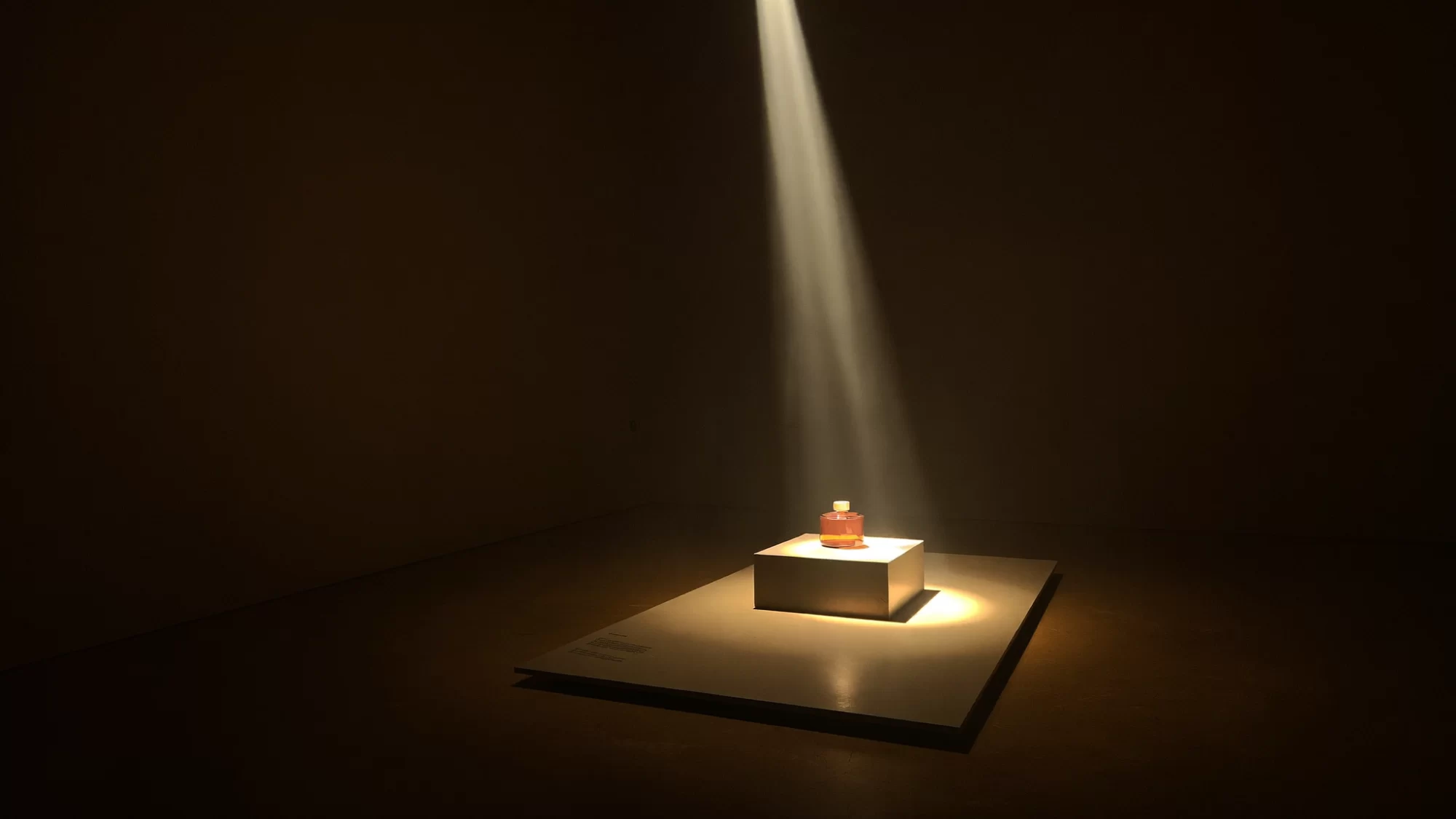
We make product films, social loops, explainers, animation and product photography in our own Studio, and we plan every version before the first frame exists. AI production is our core. It lets us build a sunlit kitchen, a golf course or a dark gallery without flights, permits or a weather day, and it lets us make the vertical cut as carefully as the hero film. Where a project genuinely needs a camera crew, we say so plainly and explain how we handle it.
What can AI production make, and where does it fall short?
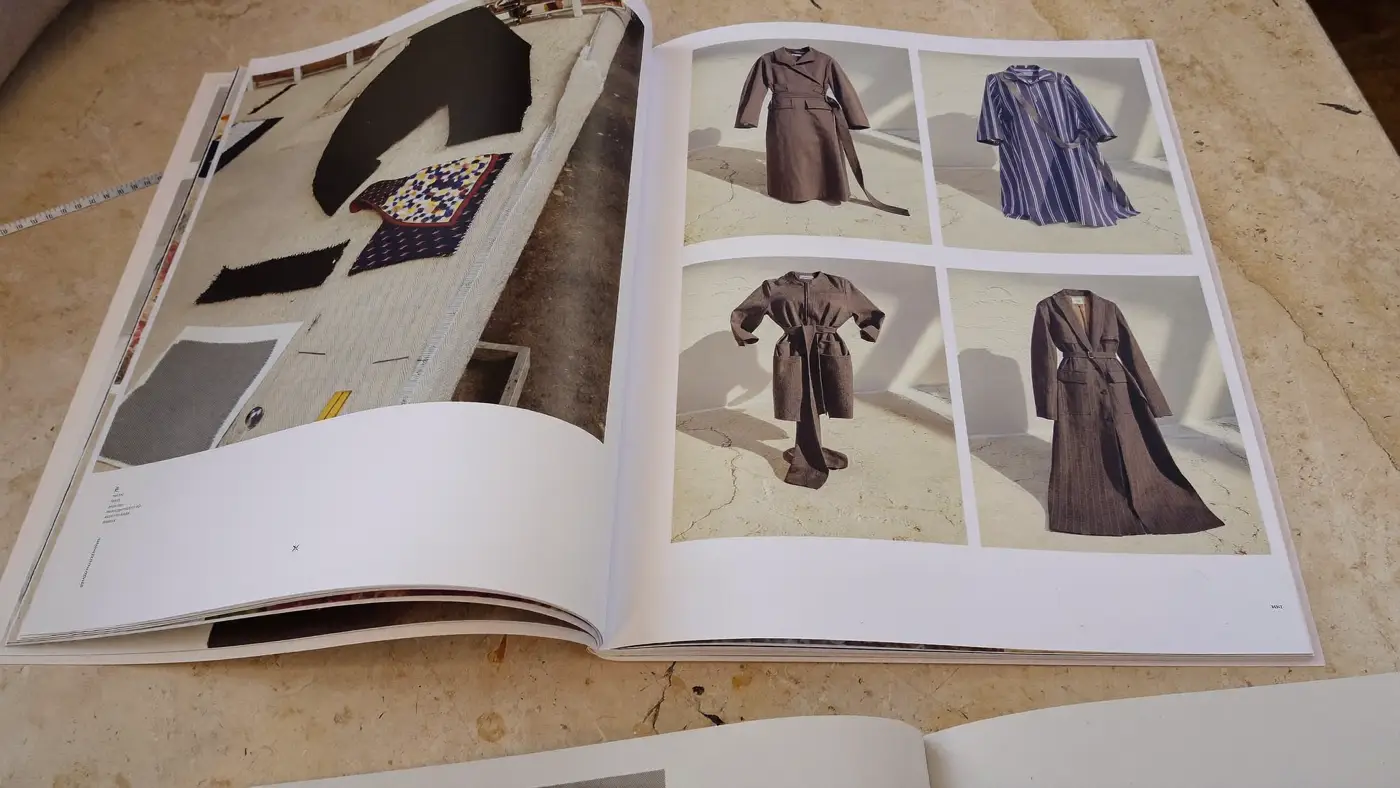
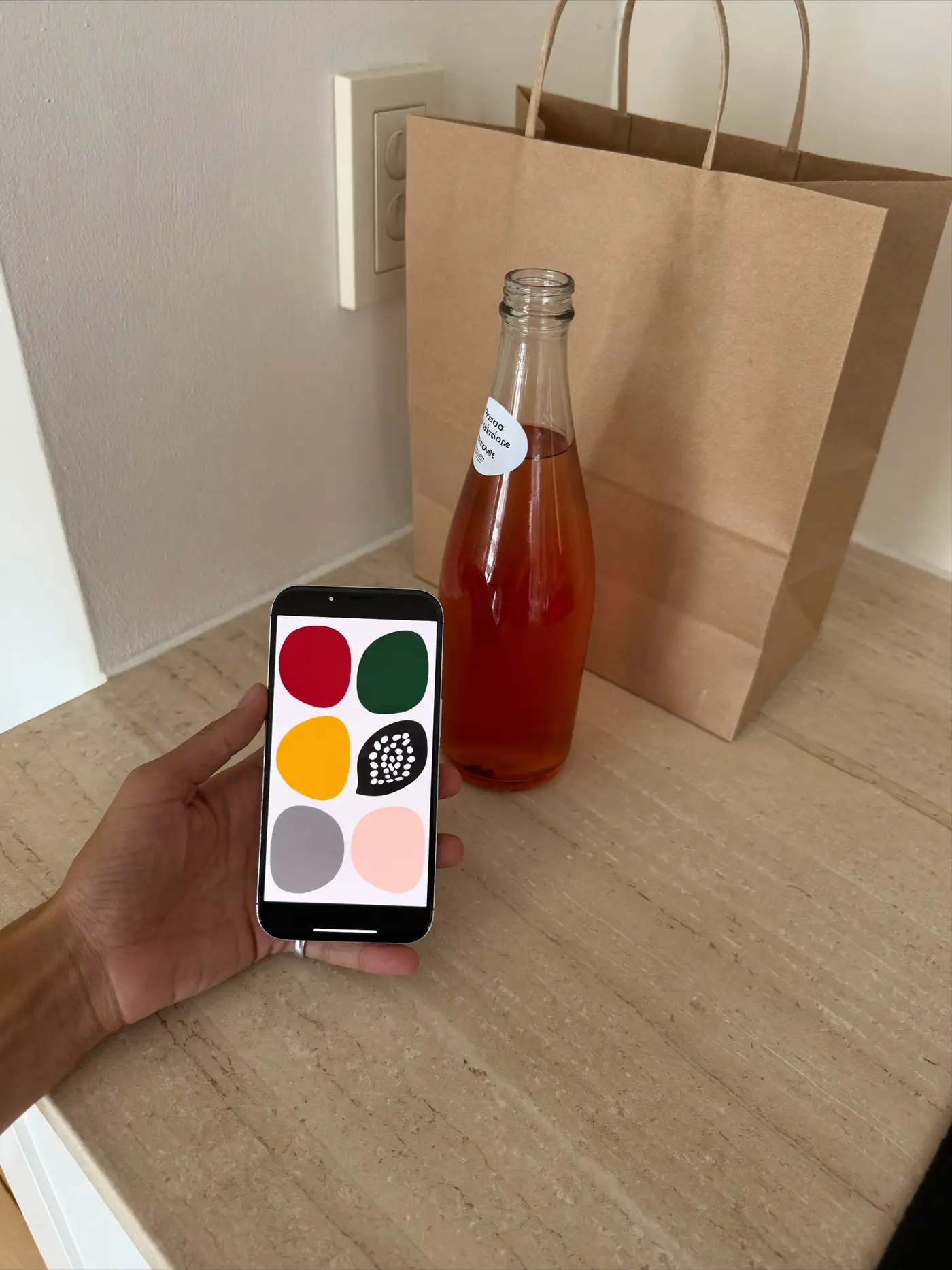
Our Studio produces short product films, launch teasers, social loops, animated explainers and still photography with no location, no set build and no shipping of samples across borders. You can see the results in our Studio films: commercials for Dropetts, Olive Bouquet and Golf County, brands we invented as concepts so we could solve the hard problems on our own budget before anyone briefs us.
AI production is strong at mood, light, setting, product hero shots, stylised motion and fast variation. It is less reliable at some things, and we would rather you heard that from us than discovered it in review:
- Exact text and fine print. Labels, regulatory panels and small type are composited from your real artwork files, never left to a model to redraw.
- Precise mechanical behaviour. A hinge, a latch or a connector that must move exactly as engineered is often better shown in animation built from your CAD or reference photographs.
- Real people doing real things. A plant tour, a founder interview or a customer story needs a camera and the people themselves.
We check every frame against your physical product or approved reference: colour, proportions, logo placement, cap shape, the number of buttons on the side. If it does not match the thing in the customer’s hand, it does not leave the Studio.
When you need a live-action shoot
Some stories cannot be generated honestly. A testimonial, a factory floor, a chef using your appliance in a working kitchen, a leadership interview for a results announcement: these need a real location and real people. When that is the case, we write the creative brief, the shot list and the production requirements, and we can manage a production partner in the right country for the shoot. Whether we manage that partner, and on what terms, is agreed per project.
Many projects end up as a mix. Live-action footage of your team, with AI-built product sequences, animated diagrams and end frames around it. We plan the mix at the start so the edit looks like one film rather than three suppliers stitched together.
AI talent, disclosed as AI
Our Studio builds AI talent: consistent characters who can appear across a campaign, a season of social posts and a set of product stills. They are useful when you need a recognisable face across many markets and formats without a casting call for each one. They are also artificial, and we say so.
Every AI person we create is described as AI in our own captions and credits, and we recommend the same disclosure wherever they appear for you. Several platforms now ask for realistic AI-generated content to be labelled, and we follow those rules. We set out our wider position in our editorial standards. If your category or market needs real talent for credibility, a skincare result or a medical device demonstration for instance, we will tell you, and plan a live-action shoot instead.
Formats and aspect ratios for every channel
A film is only finished when it works where people will see it. We plan the frame for every destination before production, so the product and the message sit in the safe area of each ratio, away from the buttons and captions that each app lays over the picture.
| Ratio | Where it runs | What changes |
|---|---|---|
| 9:16 vertical | Reels, Shorts, TikTok, Stories | Product in the centre third, hook in the first second, captions clear of app controls |
| 4:5 and 1:1 | Feeds and many paid social placements | Tighter framing, fewer elements, legible at thumbnail size |
| 16:9 landscape | YouTube, websites, presentations, events | Room for the full story, voiceover and on-screen detail |
| Wide and custom | Website headers, LED walls, retail and exhibition screens | Built to the screen’s own pixel size, often looping and silent |
| Marketplace stills | Product listings and retail partner sites | Each marketplace’s own image rules for background, size and angle |
The same thinking applies to stills. A pack shot that reads well on a 2,000-pixel product page may vanish as a search result tile, so we design the listing image for its smallest size first. Our e-commerce and D2C team uses these assets on the page itself, and our social media team plans the posting around them.
Versioning: one idea, delivered in every shape
Versioning is where most film budgets quietly leak. A hero film becomes a 6-second bumper, a 15-second cut, a 30-second cut, three ratios, four languages, two end frames for two retailers and a silent version for a trade-show screen. Done late, each of those is a small rescue job. Planned early, they are a list.
Brief and version map
Every channel, length, ratio, language and end frame agreed and listed before production starts.
Script and boards
One idea, written so it survives being cut to six seconds as well as thirty.
Production
AI production in our Studio, with a managed live-action shoot only where the brief needs one.
Edit, music and captions
The master edit, licensed music, captions and supers, reviewed against your product and claims.
Versions and delivery
Every cut exported to each platform’s specification, named clearly and delivered as one set.
Language versions are written and checked by native-speaking colleagues and specialists, with on-screen text and captions changed together so nothing is left half-translated. For launches, this sits inside our wider product launch work; for campaigns, our campaign art direction keeps the film and the stills looking like one idea.
How many versions is your next film really going to need?
Send us the briefRights, usage and music licensing
Before anything goes live you should know what you own and where you can use it. We set this out in writing at the start, and the details are agreed in the contract: which media, which countries, for how long, and what happens if you want to extend.
Music causes the most trouble. A track that sits in a platform’s sound library for personal posts is not automatically cleared for a paid brand advert, and a library licence for online use may not cover a broadcast or an event screen. We license music for the uses you actually plan, or commission an original track when a campaign needs a sound of its own. Fonts, stock elements and voiceover artists follow the same rule.
With AI-generated material, the rules on ownership are still developing and differ between countries and between the tools used. We tell you which tools went into your work and what their terms allow, so your legal team can make an informed decision rather than an assumed one.
Captions and accessibility
Most social video is watched without sound, and some of your audience cannot hear it at all. Every film we deliver comes with captions: burned in where the platform needs them, and as separate caption files where the player supports them, so people can switch them on and search engines can read them. We check caption timing and line length, keep text clear of busy backgrounds and make sure the film still tells its story to someone who never hears the voiceover. Where a film carries important information, such as safety or product use, we can add audio description or a text alternative on the page.
How long does it take, and what does it cost?
Turnaround depends on scope. A set of product stills is a different project from a launch film with eight versions in four languages, and a project with a live-action shoot depends on the location, the people and the partner. We give you a realistic schedule once the version map is agreed, and we do not promise a fixed number of days before we know what we are making.
Fees are a flat fee for the agreed scope, set out in advance, with any later phases priced before they begin. You can read how this works in how we charge. When films run as paid media, our performance marketing team tests the cuts against each other so the next round of production is based on what people actually watched.
The case notes below come from our team’s experience in earlier in-house and programme roles. They show how content holds its meaning when it has to work across markets, channels and a large catalogue at once.