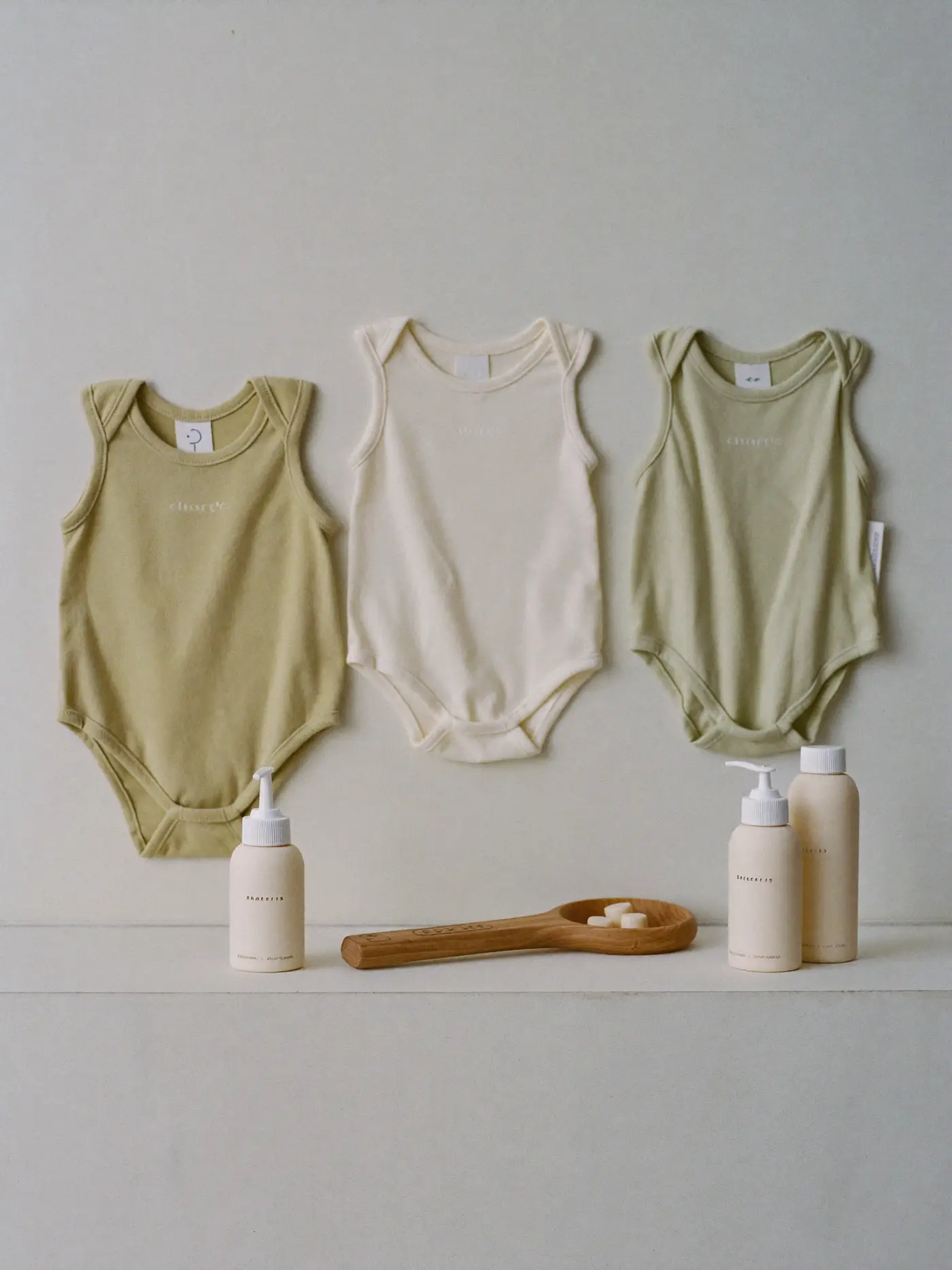
Parents see a great deal of baby-care advertising, and much of it competes by being louder, more emotional or more urgent. A useful brand message has a different job. It should understand the parent’s situation, explain the relevant proposition and make the next step easy. When a loyalty or engagement programme is involved, that explanation also has to fit a household routine where attention arrives in short, interrupted bursts.
This note draws on branding and programme marketing for a major American baby-care brand, part of an international engagement portfolio our founder worked within. That work did not include product formulation, clinical claims or responsibility for the brand’s overall sales. It sat in communication, customer experience and programme marketing, and that is where this account stays.
A busy parent needs the answer quickly
The proposition
What the programme offers, in one plain sentence a parent can take in at a glance.
The action
The single thing to do next, and where to do it, visible without scrolling.
The important condition
The one detail that could change the decision, placed beside the action rather than at the bottom of the page.
Start from where the parent is
We begin by identifying the immediate question a message has to answer. A parent may be hearing about the programme for the first time, weighing whether to take part, or coming back after an earlier interaction. The communication should recognise that stage without making intrusive assumptions about the family’s circumstances. Guessing at a child’s age, a family’s routine or a household’s needs from thin data is a quick way to feel presumptuous.
Plain language matters more here than in most categories. The proposition should make sense in a short reading session, possibly one-handed. An appealing headline can open the message, but the practical explanation has to follow quickly: what is available, how taking part works and where the relevant details are. Those questions decide both the copy and the order of information.
Tone needs the same care. Baby-care brands are often tempted towards sentiment, because the category invites it. A little warmth helps a message feel human; too much makes a practical offer feel like an advertisement for a feeling. We write as a well-informed, unhurried person would speak to a parent they respect: direct about what is on offer, specific about what to do and honest about the conditions.
One useful test is to read the message without its imagery. If the proposition only makes sense beside a particular photograph, the words are too vague. Copy that stands on its own stays useful across formats, including a hurried glance on a small screen.
Keeping programme copy separate from product claims
Baby-care communication runs on trust, and trust is easy to spend. We work inside the brand’s approved identity and claims framework, and keep programme language clearly distinct from anything that sounds like a statement about how a product performs. A rewards or engagement message must never imply a benefit or guarantee that the approved product material does not support. That boundary is what a clear and credible consumer brand message looks like in this category.
Claims and programme copy
Require approved support
Any statement about what a product does comes from the brand’s approved claims, supplied by the teams responsible for them. Programme campaigns do not write new ones, paraphrase them loosely or let them drift during revisions.
Describe participation
What the programme offers, how to join, what to do next and which conditions apply. This is the copy the campaign team owns, and it stays factual about the programme itself.
Visual guidance keeps the communication recognisable across email, social posts and destination pages. Images should support the message rather than stage an unrelated emotional scene. The programme action needs a clear place in the layout, and the supporting conditions should be easy to reach. Good design helps a parent understand the communication, as well as notice it.
Planning useful participation messages
Acquisition, engagement and retention, applied to baby care, means planning for different degrees of familiarity. A first message introduces the programme. A welcome message explains the next step. Later communication offers a relevant reason to return, based only on information the programme legitimately holds and the parent has chosen to share.
The sequence matters as much as any single message. Sending the same introduction indefinitely makes a brand feel inattentive; once someone understands the basics, repeating them wastes their time. Equally, a new reader should never land on an advanced message with no context. This is where lifecycle sequencing earns its place, provided the segmentation rests on reliable data and a clear purpose for each message. We cover the same principle in a different category in planning communication beyond the introduction.
Making the experience practical on a phone
The destination has to work for a parent with limited time and several distractions. We check whether the main action is visible, the instructions are short and important details can be found without repeated searching. Long pages of programme terminology can turn an appealing offer into an unfinished task that never gets picked up again.
Mobile-first reading order
The order above puts the essentials in the first screen and moves fuller terms into expandable detail below, still readable for anyone who wants them. Creative review then tests the page under realistic conditions: a small screen, a brief glance, a session interrupted and resumed later. Can someone return and see where they left off? Does the destination explain the same proposition as the advertisement? Is any partner involvement clear? Those checks join the creative promise to the actual participation process.
The same discipline applies to product pages and photography in early-stage commerce, which we describe in building the baby-products shopping foundation.
Guidance internal teams can use
Every campaign brief names the audience, the message, the approved claims it may draw on and the destination. That lets brand and partner teams review the same proposition, and it stops programme copy drifting into unsupported product promises over successive rounds of edits. Templates and guidelines make repeat production faster without turning every message into a fixed formula.
A short revision log is worth keeping for each campaign. When a reviewer changes a line, the log records what changed and why, and whether the change touched anything near a product claim. It sounds administrative, but it is the most reliable way to stop a careful sentence being softened into something the brand cannot support after the fourth round of edits, and it gives the next campaign team a record of what was approved and what was turned down.
Partner involvement needs the same clarity. If another organisation provides part of the programme, the parent should be able to see who does what before taking part. A partner mark placed without explanation raises a question at exactly the point the brand wants the parent to feel confident.
Reporting treats acquisition and participation separately. Where suitable data exists, the review asks whether a campaign attracted new people and whether those people kept engaging. A large audience total on its own says little about how useful parents find the programme. The subscriber growth in the supporting record belongs to the combined programme portfolio, not to this brand, and no parent quotation, purchase increase or retention figure has been added here.
The work asks for precision without coldness and warmth without sentiment. Parents need information they can use, not a campaign that hopes emotional language will make up for an unclear action. Enough detail to support trust, and enough restraint to respect the reader’s time: that balance is what makes a familiar brand’s programme feel considered.