The first cup is only the opening chapter of a coffee system’s commercial story. A customer has to understand the machine, choose the right capsules and see how the whole thing fits into an ordinary morning. Marketing that concentrates on the initial attraction can leave those practical questions unanswered, and the problem gets worse when the customer is also meeting a rewards or promotional programme for the first time.
The experience record references branding and marketing work for a coffee pod and machine proposition within an international programme portfolio that our team worked on. It does not assign a machine-sales total or a repeat-purchase uplift to that account. This note develops the communication approach around product understanding, brand consistency and continuing engagement, and sets out what we would do with the same brief today.
Three different communication tasks
System introduction
What the machine does, where it fits in a home and how someone begins. The audience is curious but has committed to nothing.
Consumable choice
Which capsules suit which taste, and where to buy them again. The audience has, or is about to have, a machine.
Programme participation
What the reward or offer covers, and the conditions that apply. The audience needs to know which part of the proposition it concerns.
These are different jobs because the reader knows different things at each point. Blend them into one message and every reader has to work out which half applies to them.
Make the proposition easy to picture
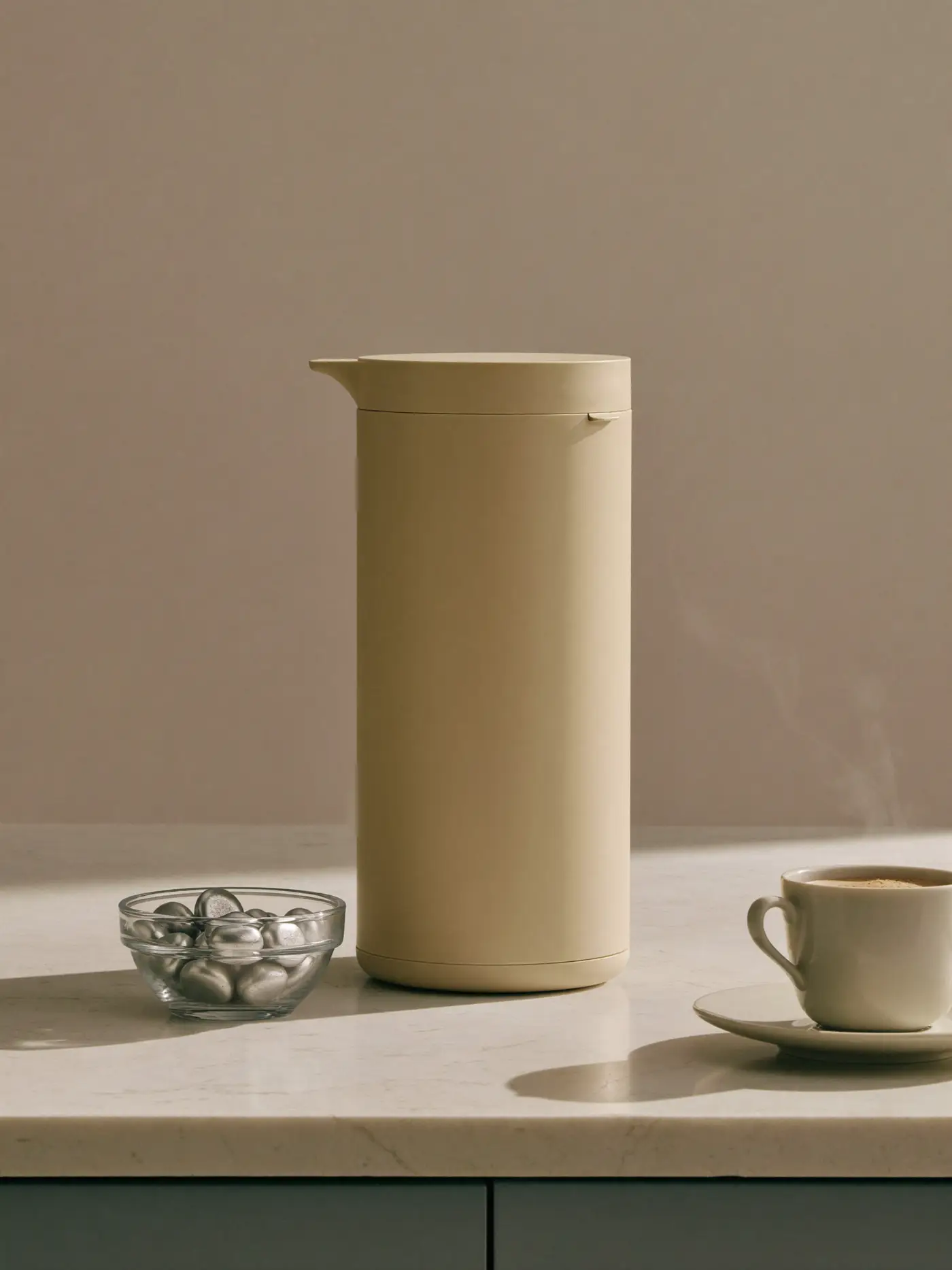
We would start with the customer’s setting. A coffee machine is being considered for a kitchen counter, a home office or a short break between tasks. The communication has to make that experience understandable: what the system does, what the customer needs to buy and how they get started. Attractive imagery creates interest. Practical clarity is what lets that interest survive beyond the advertisement.
The explanation also has to keep the machine and the consumables distinct. A campaign about participation or rewards must say which part of the proposition it concerns. If the headline suggests an offer on the machine and the destination turns out to cover only selected capsules, the customer has to resolve the mismatch alone. Some will, and feel slightly misled. Many will simply leave.
If you sell a system of this kind, try a simple check. Read your current headline, then read the first screen of the page it links to. Could a stranger say, in one sentence, what is on offer and whether it applies to the machine, the capsules or both? If not, the fix belongs in the copy before it belongs in the media plan.
A visual language that holds across teams
Brand work would keep machine imagery, capsule packs and programme messages visually connected. Layouts need room for product information without losing the warmth people associate with a morning coffee. Typography, colour and image treatment should stay consistent across email, social creative and destination pages, so a promotion never looks like it came from a different company.
Guidelines earn their keep when several teams or partners are producing assets. They specify which product images are approved, how claims are presented and what information must accompany an offer. That reduces the risk of a technically correct promotion looking unrelated to the brand the customer already knows from the box on their counter.
There is a practical trade-off here. A programme partner will want its offer to be noticed, and a coffee brand will want its kitchen photography left alone. The answer is usually a fixed zone for the offer, the same size and position in every format, so the promotion is easy to find without taking over the picture. Agree that zone early, and every later asset becomes a quicker decision instead of a fresh negotiation between two sets of brand guidelines.
Understand, begin, continue
The broader programme work covered acquisition, engagement and retention. Applied to a coffee system, that means planning well beyond one launch message. The real commercial value sits in the weeks and months after the machine arrives, which is why the brief belongs to ongoing customer engagement as much as to launch creative.
Three stages of a coffee system
- UnderstandThe customer asks what the system is and whether it suits them. Content shows the machine in a real setting and explains what they will need to buy.
- BeginThe customer asks how to start and which capsules to choose. Content helps with product choice and gives the first steps in order.
- ContinueThe customer asks where to get more and what is new. Content makes replenishment easy and introduces variety where the data supports it.
Replenishment communication deserves its own purpose. A reminder should make the relevant choice easy to locate and explain, rather than repeating the introductory machine message to someone who already owns one. That respects what the customer knows and keeps the content useful as the relationship moves past discovery.
We would also avoid assumptions about ownership or consumption. Someone who clicked an advertisement has not necessarily bought a machine. Someone who joined a programme has not necessarily become a regular customer. Segmentation should use evidence the business actually holds, and the copy should match that level of knowledge. A message that says “running low?” to someone who never bought anything does more harm than silence.
Send each click to the page that answers it
Search and paid campaigns need pages that answer the question behind the click. Sending every audience to one general page creates friction that no amount of targeting will fix.
Message to destination
| Where the interest starts | What the person wants to know | The destination that answers it |
|---|---|---|
| Product-led interest | What the machine does, what it costs to run day to day, which capsules exist | A product explanation page: the system in use, capsule range and how to begin |
| Programme-led interest | What the offer covers, who is eligible and how to take part | A participation page: the offer, its conditions and the steps, with the product kept in view |
| Existing customer message | Where to reorder, or what is relevant to the machine they own | A direct route to the relevant action, without the introductory material |
The review of each page looks at the order of information. Can the customer identify the product or offer at once? Is the next step visible? Are the conditions understandable? Does it work on a small screen? Are the images informative as well as attractive? Each question is modest on its own. Together they decide whether the campaign feels easy to use.
Customer questions can also shape a small content library. Approved explanations of the proposition and the participation process give future campaigns a reliable starting point, so teams spend less time recreating basic answers and more time deciding which answer each audience needs next. That is product-led editorial content doing operational work. The same thinking underpins consistent product information in commerce, which we explore in building a product-content foundation.
Measure the stage you actually reached
Campaign reporting should separate awareness, participation and purchase behaviour. Reach shows whether the message was distributed. Visits suggest interest. Registration or participation shows a further action. Repeat purchase needs its own evidence. Treating these as interchangeable would make it impossible to understand what the marketing achieved.
The wider portfolio reported a collective subscriber result, set out with its qualifications in the loyalty programme system note. It is not a coffee-account result and we do not present it as one. With account-level data, a future version of this note could report specific acquisition or retention outcomes. Until then, the contribution is the communication system and the customer path it supports.
A coffee proposition becomes easier to adopt when people can picture using it and understand how to carry on. That is a more durable objective than a short burst of attention built on a machine photograph and an offer headline.