The practical question
A beautiful campaign can make a product look expensive without making its price feel justified. Luxury marketing strategy needs to connect desirability with the experience and evidence that support the premium. Measurement should examine who considers the brand, why they value it and whether sales depend on discounting. This guide brings brand research, realised price and customer experience into one conversation. It avoids a single invented luxury score and keeps the commercial contribution of marketing separate from scarcity, distribution and product quality.
Define the kind of premium you are asking buyers to accept
The promise may rest on craftsmanship, material, provenance, design, service or membership in a particular world. Be specific. A watch, a hospitality experience and a skincare product cannot rely on identical proof. Ask which part of the premium the buyer can verify and which part depends on perception. The Value Proposition Canvas offers a way to connect a proposition with customer jobs, pains and gains; it is a planning tool rather than a luxury measurement standard.1 Use research to test the actual reasons for consideration. Do not assume an editorial image proves craftsmanship or that an elegant package establishes product performance. The commercial claim must survive contact with the product.
Keep the realised price visible
Realised selling price is net sales under the agreed definition divided by comparable units sold. Define treatment of discounts, refunds and taxes. Track full-price sales share alongside product and channel mix. A higher average price can result from selling more premium products rather than stronger pricing power for the same product. Compare suitable items over time and account for availability. A premium relative to competitors needs matched features and a clear market basis. Margin and contribution add commercial context, but production cost, retail commissions and service commitments affect them. Luxury marketing strategy should help the team understand those conditions rather than treating a high ticket price as evidence of strong brand equity. Our guide to brand pricing power covers the next question. If that is your next question, read our guide to brand equity models.
A fictional accessory brand tests its premium
Imagine a fictional leather-accessory brand sells 1,000 comparable units with INR 8 million net sales in one period and INR 8.5 million in the next. Average realised price rises from INR 8,000 to INR 8,500. Before claiming stronger pricing power, the team checks whether discounts fell, materials changed or more units moved through a higher-priced channel. In a separate well-designed study, qualified category buyers explain whether they value the stitching, service or design. Survey responses and actual sales then support different parts of the diagnosis. These numbers are illustrative. They do not prove that the campaign caused the price movement or prescribe what a luxury brand should achieve. A luxury marketing strategy should test whether the premium holds without heavier discounting. Value proposition canvas is explained in a separate guide.
The experience has to support the image
Measure the moments that can undermine trust: unclear care instructions, disappointing material, inconsistent service or an unboxing that promises more than the product delivers. Post-purchase research should ask concrete questions about expectations and experience. Return reasons and service complaints add behavioural evidence, but their counts need denominators and consistent capture. Some clients will never complain directly; that does not establish satisfaction. Clienteling can create meaningful relationships when it is relevant and respectful. Track consent, useful engagement and repeat purchase under a defined window. Avoid presenting social engagement as desirability without investigating whether the audience includes likely buyers or merely people who enjoy the imagery. For the wider picture, see our guide to brand lift measurement.
Identify the proof behind the premium
Bring one product, its actual material or service evidence and the price question. Quiamo can help shape an editorial story that makes the premium understandable without exaggerated claims.
Choose art direction that carries proof
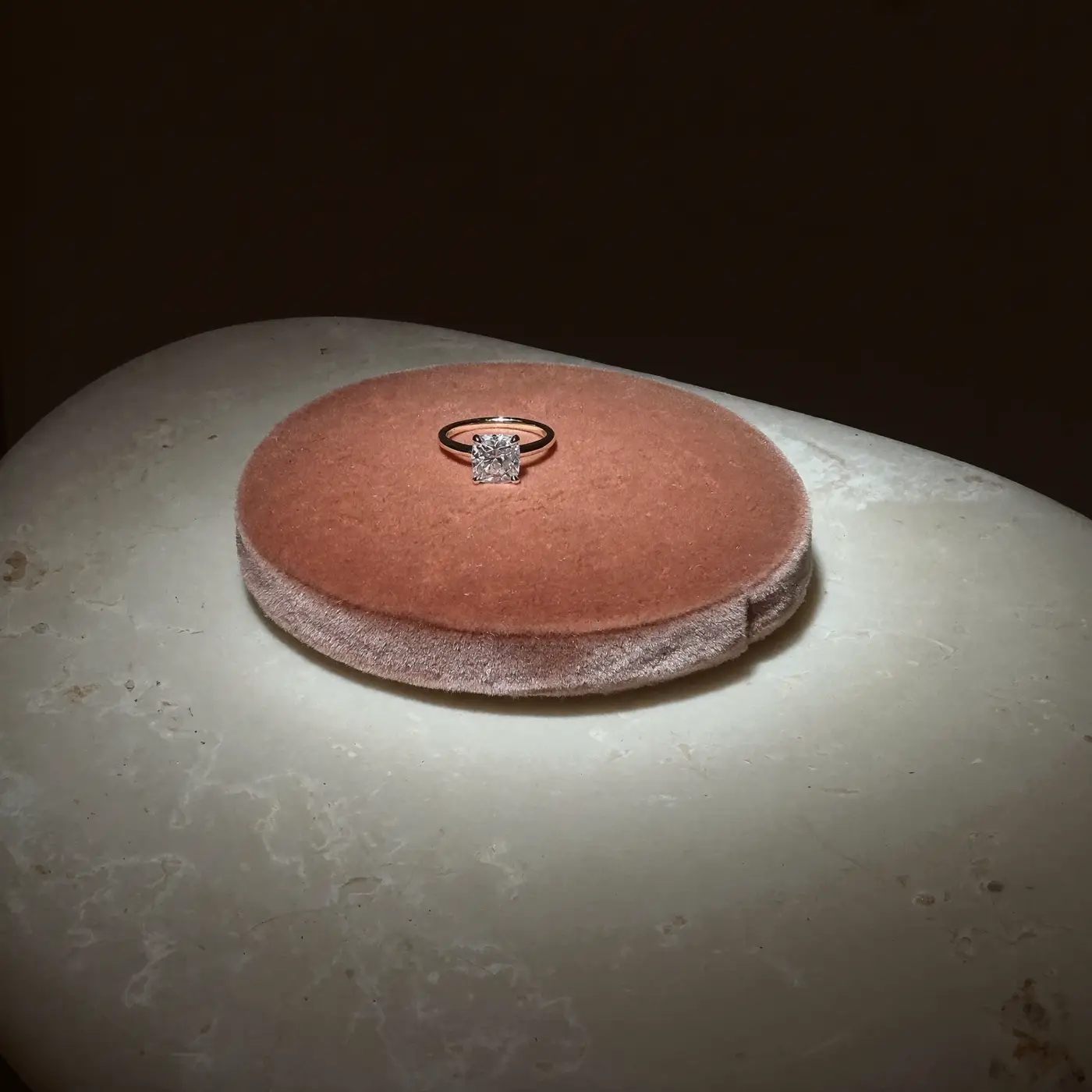
Photograph the detail that makes the premium credible: the material edge, a careful construction step, the product in use or the quality of service. Use fictional visual concepts for planning and real verified evidence for claims about actual work. A campaign can express mood while the page beneath it supplies practical answers. Consideration research can test whether the visual language fits the intended proposition and whether the brand is recognised. Keep product availability and price changes recorded during the campaign. If a limited release sells out, the result reflects both demand and supply. Selling every available unit does not reveal how much demand existed or whether a wider release would have performed similarly.
Create a review that includes the commercial team
Bring brand, retail, ecommerce and service colleagues into the discussion. Which customers pay the premium without excessive incentive? Which reasons for buying remain credible after delivery? Which parts of the experience create doubt? Quiamo can help shape an editorial brand and measurement brief around those questions, with founder-led strategy and specialist production scoped to the need. The work can connect positioning, art direction and evidence-rich product pages. Material evidence, product use and service details should carry the story. We organise the page so the opening creates interest and the deeper sections answer the price and experience questions a serious buyer needs to resolve.

Before interpreting the result


Choose one comparable product and examine its selling history before interpreting a premium. Record materials, channel, availability and discount conditions so the price comparison is fair. Interview buyers about the detail that made the product worth choosing, then compare those explanations with service and return evidence. The answers can reveal a mismatch: the campaign emphasises exclusivity while actual customers value comfort or repair support. Use that finding to refine the editorial brief. Give the art director the evidence behind the premium and the writer the practical questions buyers still ask. A restrained layout can then offer atmosphere at the opening and depth beneath it. Test whether the result makes the value clearer without using exaggerated provenance, borrowed status or a fictional testimonial to fill a gap in the product story.
Questions people ask
Can social engagement measure luxury desirability?
It can show attention or interaction within the observed audience. Desirability needs a clearer purchase or preference question, audience fit and commercial context. Popular imagery can attract people who never intend to buy.
Does a higher average selling price prove pricing power?
No. Product mix, channel mix and discounts can change the average. Analyse comparable products and appropriate price research before interpreting the result as greater willingness to pay.
Should every luxury page use minimal copy?
No. The opening can be restrained while detailed evidence remains accessible. Materials, service, provenance and care often deserve substantial explanation. Editorial hierarchy helps people choose the depth they need.
How can product detail support desirability?
Material, construction and service details give buyers reasons to trust the image. Present those details accurately through close photography and useful explanation. Then test whether people understand the value and associate it with the intended brand. An expensive-looking scene alone cannot establish that the product deserves its premium or delivers the promised experience.
The next useful step
Luxury marketing strategy should make the premium understandable and the experience worthy of it. Bring Quiamo one product, its actual evidence and the price question your team is trying to resolve. We can scope the story, art direction and measurement around what buyers value enough to choose and keep. Discuss the communication brief with Quiamo.
Art direct what buyers genuinely value
Share the detail that makes the product worth choosing and the experience it delivers. We can scope original imagery, useful product copy and research questions around that value. Remove personal and confidential information from any example you share.
Sources
- Strategyzer Value Proposition CanvasPlanning customer jobs pains gains and proposition fit; not a luxury metric standard.
Worked examples on this page are fictional and labelled. Search phrases and figures from external sources are cited; nothing here describes a Quiamo client result.