
The question this article answers
Your packaging looks premium. Your sales team still discounts every serious quote. Brand pricing power asks whether the business can earn an advantageous price from relevant buyers under comparable conditions, rather than merely display one. The answer needs evidence about choice, realised price and margin. A refined identity may help communicate value, but buyers also judge performance, service, alternatives and the consequences of choosing badly. The measurement should cover that whole decision.
Define the premium you believe you earn
A premium only makes sense against a comparator. Compare equivalent products, features, service, channels and timing as closely as possible. A higher price on a larger pack is not automatically a brand premium. A higher quote including installation cannot be fairly compared with a competitor’s hardware-only price.
Record list prices separately from realised prices after discounts, rebates, returns and relevant commercial adjustments. The price on the website can remain impressive while actual transactions tell a different story. For a service, compare scopes and delivery conditions. Without those details, the premium may describe a difference in the offer rather than the brand’s influence. Organise the relevant perceptions with brand equity models before selecting survey questions.
Ask about trade offs rather than admiration

Customers can admire an identity and still choose a cheaper alternative. Pricing research should therefore examine realistic choices with credible alternatives and attributes. Conjoint approaches can include price alongside product or service features to study trade-offs.1 Such studies require careful design; adding a few prices to a general preference survey is not automatically a valid conjoint exercise.
Stated willingness to pay is evidence from a research task, not a guarantee of transactions. People may answer differently when spending actual money. Use research alongside observed behaviour where available and account for channel, negotiation and product differences. A useful study narrows a price decision without pretending to remove every uncertainty.
Discounting can obscure the value story
A sales team may discount because the offer is poorly explained, because approval rules are loose or because price is genuinely uncompetitive. Those explanations require different actions. Review lost-deal accounts and quote behaviour before blaming the identity. Ask what the buyer compared and what proof they were missing.
For brand pricing power, communication should explain the value buyers can verify. A technical service might demonstrate reliability, response conditions or reduced implementation effort with appropriate evidence. A consumer product might make material quality or practical benefits easier to understand. Avoid dressing an unchanged commodity in unsupported superiority claims and expecting the customer to finance the art direction. Keep commercial returns distinct with our guide to ROI vs ROAS.
Protect profit rather than a vanity price
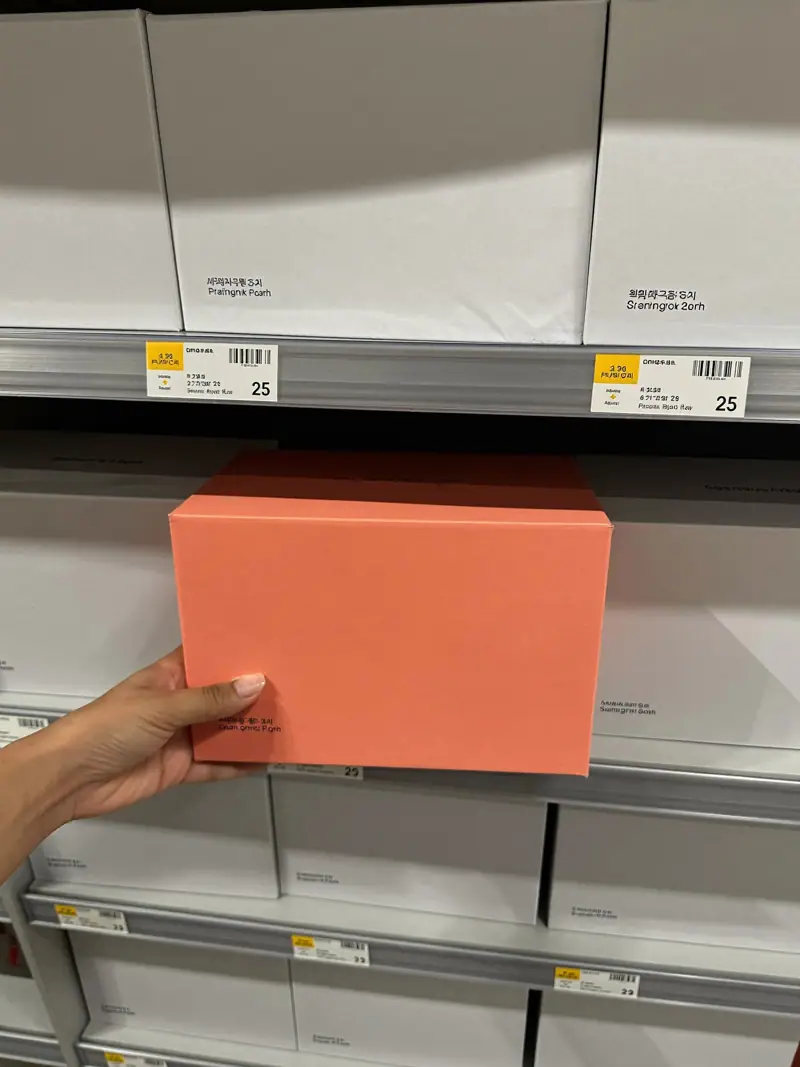
A higher selling price can be accompanied by higher fulfilment or service costs. Examine contribution after the costs relevant to the decision. If premium packaging raises revenue but also produces expensive damage, returns or handling, the commercial outcome may be weaker than the price suggests.
Separate volume effects from margin effects when evaluating a change. A price increase may improve contribution per order while reducing orders. The right decision depends on total contribution, capacity, customer relationships and the competitive response. Marketing needs to understand those trade-offs so a premium-positioning brief is grounded in the actual economics of the offer.
Give sales a value story they can defend
A sales document should help the buyer understand the offer’s relevant difference. Start with the actual question raised in negotiations. Is the buyer comparing upfront price, installation effort, reliability, service access or something else? Choose the evidence that addresses that question, rather than adding a premium-looking cover to an unchanged list of claims.
Work with sales and delivery teams to establish what can be verified. If service response is part of the price story, state the conditions and scope. If material quality matters, show the relevant construction detail and documented performance. If a package includes additional work, make that inclusion clear enough for the buyer to compare it fairly.
Prepare different levels of detail for different moments. A concise page can explain the value in the first conversation; a technical appendix can support evaluation later. Both should describe the same offer. Contradictory claims between a campaign, website and quotation undermine the confidence a premium position needs.
Train the team to record the remaining objection rather than automatically discounting. Some objections expose missing proof; others expose poor fit or a genuinely better alternative. That record helps marketing improve the explanation and helps management improve the offer. Price communication then becomes part of a commercial learning process rather than a claim that the brand deserves more money simply because it looks expensive.
Explain the value behind your price
Bring actual transaction conditions and the value buyers struggle to understand. We will discuss a message and product-presentation brief grounded in evidence.
Worked example using fictional numbers
Illustrative example only: a fictional product sells at a realised net price of ₹1,200, while a genuinely comparable alternative sells for ₹1,000. The observed price premium is 20%. At ₹1,200, the product earns ₹300 contribution per unit after the declared variable costs. A proposed increase to ₹1,300 changes contribution and may change volume; the team cannot infer the total profit effect from the ₹100 increase alone. It tests the decision with suitable research and commercial evidence. These figures are illustrative, not a recommended price or measured brand effect.
Putting the evidence to work
Create a comparable-offer table with sales and finance. Examine actual transaction conditions and lost deals. Identify what buyers value, which proof exists and where communication is weak. Select a pricing-research method appropriate to the decision, with specialist support if the design requires modelling or experiments.\ \ Quiamo can help turn the evidence into a value narrative and art direction that explain the offer clearly. The engagement can include message testing, product presentation and sales materials aligned with the pricing decision. It should not promise that a new identity alone will justify a specified premium. The useful deliverable connects what the customer can verify with what the business is asking them to pay. Explore how Quiamo approaches brand strategy and communication before defining the scope.
Questions people ask
Can a rebrand justify higher prices?
It can improve how value is perceived and understood, but the outcome depends on the offer and market. Assess buyer response and actual transactions rather than assuming a design change creates a fixed premium. Keep service, product and channel changes visible when interpreting results.
Should we ask customers what they would pay?
That question can be a starting point, but simple stated answers may not reflect realistic trade-offs or actual spending. Choose a method suited to the price decision and include credible alternatives. Research is most useful when its limitations are clear and its findings are compared with commercial behaviour.
Is a low discount rate proof of pricing power?
Not by itself. It can reflect policy, product scarcity, channel conditions or a different buyer mix. Examine realised prices, conversion, comparable alternatives and contribution together. A business that rarely discounts but wins very little suitable demand has a different problem from one that reliably earns an advantageous price.
Where to go next
Make the premium a question the evidence can answer. Bring Quiamo the offer, actual transaction conditions and the value buyers currently struggle to understand. We can help develop a clear communication brief for brand pricing power, with claims grounded in the product and a measurement plan tied to the commercial decision. Track the chosen perceptions consistently through a brand tracking study. Contact Quiamo to discuss the brief.

Make the premium understandable
Share a real buyer objection, without confidential personal details, and the proof your offer can provide. We can discuss a value explanation suitable for the website and sales conversation.
Sources
- Conjoint analysis technical overviewChoice tasks can examine price and feature trade-offs.
- Pricing study methodsPricing research methods and willingness-to-pay context.
Worked examples on this page are fictional and labelled. Search phrases and figures from external sources are cited; nothing here describes a Quiamo client result.