The question this article answers
Your campaign gets the right person interested. The product is unavailable in their postcode, the enquiry form fails on a phone or nobody can confirm a delivery date. Physical availability concerns how easy a brand is to find and buy.1 That makes it a marketing question as well as an operational one. Creative work can bring a buyer to the door; the business still needs a usable door. A useful review follows the purchase all the way through instead of stopping at the first click.
Map the places where a purchase becomes possible
For a packaged product, examine stores, marketplaces, stock and the variants people need. For a B2B supplier, examine distributor coverage, qualification requirements, product documentation and access to a person who can handle the order. For a service, examine location, appointment availability, payment and response. The buying path changes by category, but the investigation remains concrete.
Start with the markets named in the campaign brief. A national media plan can advertise into regions the sales organisation cannot serve. A narrow distributor network may require a more carefully sequenced launch. Put those limits beside the targeting decision before buying media; otherwise the business pays to create demand it cannot fulfil. Compare access barriers with memory gaps in our guide to brand salience.
Being listed is not the same as being buyable

A marketplace listing can be visible while the product is out of stock. A supplier directory can name a company whose local distributor no longer carries the relevant range. A service page can describe an offering while hiding the practical route to an appointment. Record the difference between nominal presence and a completed buying path.
Use a real device and a realistic task. Check whether a buyer can identify the right product, see eligibility and price conditions, ask a useful question and complete the next step. Include people unfamiliar with the business. Internal staff can navigate around missing information because they already know the answer, which makes an internal audit deceptively comfortable. Use distinctive brand assets to help buyers identify the offer in crowded channels.
Prominence matters in crowded environments
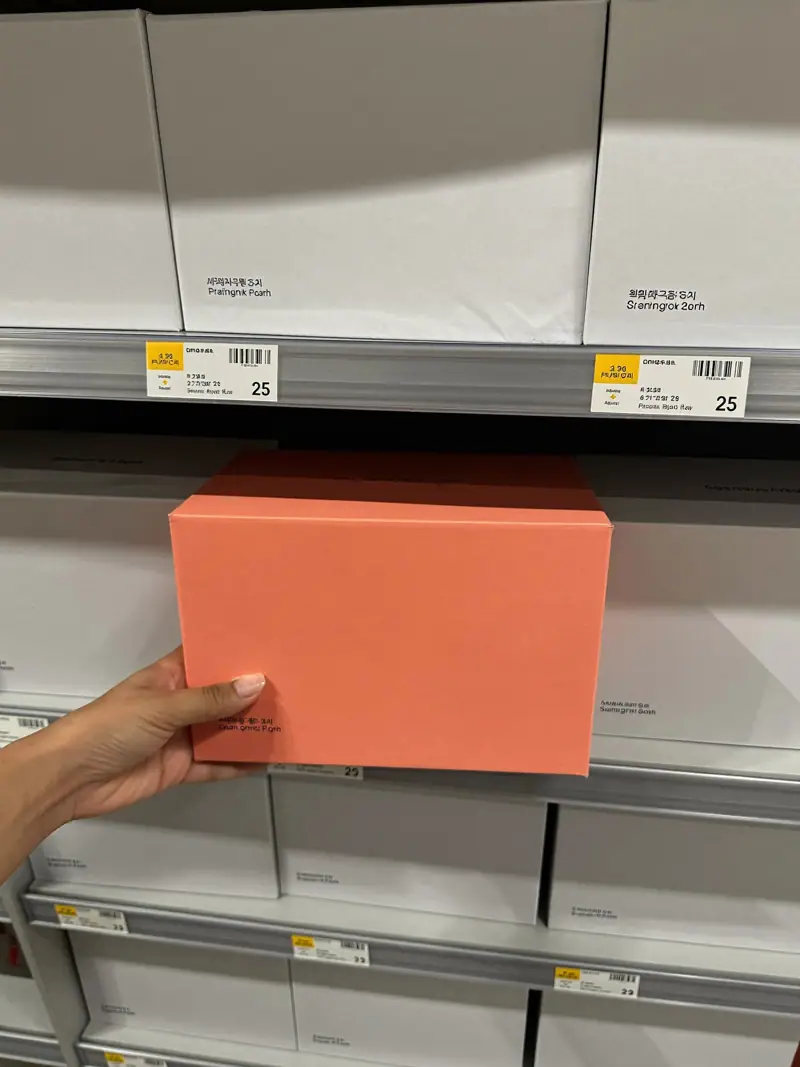
Availability also has a visibility problem. A product technically stocked on a shelf can be hard to notice. A distributor page can bury the relevant range several layers deep. A mobile catalogue can make nearly identical part numbers difficult to distinguish. Those are design tasks with commercial consequences.
For physical availability, art direction should survive the purchase environment. Compare the pack at shelf distance and thumbnail size. Test navigation with realistic buyer terms. Give technical products clear naming and application information. These improvements should help people find a suitable offer without inventing claims or making unrelated products look interchangeable. Follow the digital task through completion with our guide to conversion rate optimisation.
Use the audit to assign responsibility
A missing product page, an empty shelf and an unanswered enquiry require different owners. An availability report that ends with marketing should own everything will stall. Name the team responsible for fixing each barrier and the evidence required to close it.
Some constraints are strategic rather than accidental. The business may intentionally limit distribution, maintain selective retail partners or qualify buyers before quoting. Document those choices. The aim is not to remove every friction indiscriminately; it is to distinguish necessary conditions from avoidable obstacles and make the necessary conditions understandable to the buyer.
Test one buying task from beginning to end
Choose a task that an unfamiliar customer would genuinely attempt. For a component supplier, it might be finding a suitable part for a stated application and requesting a quote. For a consumer product, it might be checking the promoted variant, delivery eligibility and total cost. Define success before observing the task, and ask the participant to work without coaching.
Note where uncertainty appears. A buyer who pauses at a product name may need clearer categorisation. Someone who reaches checkout and discovers unavailable delivery has an access problem. A buyer who cannot identify a compatible version needs application information. Those observations should produce different fixes; they should not all be labelled poor conversion.
Observe mobile use in realistic conditions. Small controls, long forms and oversized imagery can obstruct a task that works comfortably on the designer’s laptop. Check the fallback when a preferred route fails. Does the page provide a useful contact method, or does the buyer have to start again elsewhere?
After the repair, repeat the same task with fresh participants where feasible. Internal approval confirms that a change was made; task completion checks whether it helped. Keep the test modest and clearly labelled when the participant group is small. It can identify practical obstacles without pretending to estimate conversion for the whole market.
Find the obstacles between interest and purchase
Share the priority markets, products and routes customers currently use. We will discuss a practical audit of finding, understanding and buying the offer.
Worked example using fictional numbers
Illustrative example only: a fictional food brand is listed in 80 of 200 audited eligible shops, giving 40% numeric distribution for that audit universe. The audit finds the promoted pack in stock in only 60 of those shops on the visit dates. The listing number therefore overstates immediate availability. In a separate mobile task test, eight of twelve participants find the right product but only five can complete an order for their location. These small task results identify issues to investigate; they are not representative market conversion estimates.
Putting the evidence to work
Create an availability map from the campaign’s intended audience to the actual purchase routes. Identify important products, territories and devices. Audit representative routes, then build a repair backlog with owners and verification dates. Recheck the same task after each material fix rather than treating a screenshot of the new page as proof that the problem is solved.\ \ Quiamo could support the communication and design parts of that work: clearer product information, navigable service pages, recognisable packaging and distributor-ready assets. Operations, ecommerce and sales would retain responsibility for stock, fulfilment and commercial access. The brief should define those boundaries so better communication and better buying access move together. Explore how Quiamo approaches brand strategy and communication before defining the scope.
Questions people ask
Is physical availability only distribution?
Distribution is an important part, particularly for products, but the buyer also needs to notice, identify and access a suitable offer. A product present in a channel but hidden, unavailable or difficult to purchase can still face practical barriers. Define which barriers the audit covers rather than assuming one coverage percentage answers everything.
What does this mean for a consulting service?
Look at whether the intended buyer can understand suitability, reach the right person and take a realistic next step. Clear scopes, relevant proof, accessible contact routes and understandable commercial conditions can reduce avoidable difficulty. The service still needs capacity and a credible delivery process; website clarity alone cannot create those.
Should we advertise only where stock is perfect?
No universal rule applies. Launch plans may include demand building before full availability, provided timing and commercial assumptions are explicit. The avoidable mistake is buying media under the assumption of coverage that does not exist. Coordinate communication, channel expansion and fulfilment rather than evaluating each plan in isolation.
Where to go next
Before increasing the campaign budget, check the routes interested buyers actually use. Bring Quiamo the product range, priority markets and current buying journey. We can discuss a physical availability audit focused on the communication and design barriers that make a suitable offer unnecessarily difficult to find or buy. Contact Quiamo to discuss the brief.

Repair the route customers actually use
Send the buying task that customers currently struggle to complete. We can discuss an audit and a repair brief with clear responsibilities for design, sales and operations.
Sources
- Finding and buying in ecommercePhysical availability concerns ease of finding and buying.
- Retail distribution measuresNumeric and weighted distribution definitions and sales-base distinctions.
Worked examples on this page are fictional and labelled. Search phrases and figures from external sources are cited; nothing here describes a Quiamo client result.