The question this article answers
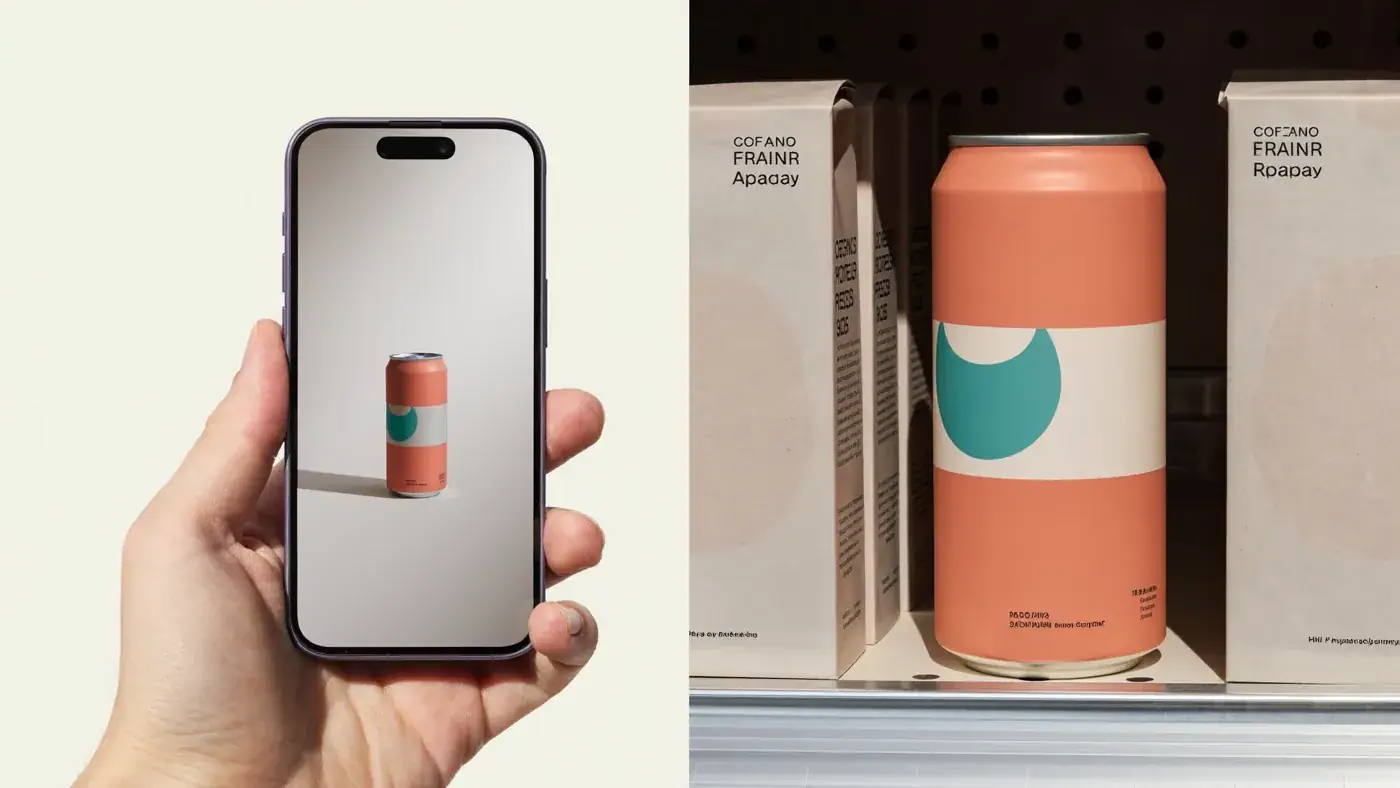
Take the name off a pack, a film frame or an exhibition wall. Can people still identify the advertiser? Distinctive brand assets make that question worth asking before a redesign removes something buyers already recognise. An unusual shape is not automatically an asset, and a colour that looks attractive in a brand book may evoke somebody else in the market. The working task is to identify the elements that reliably retrieve your brand and use them consistently enough to remain useful.
Recognition has to be measured outside the studio
An identity team sees the work repeatedly and knows what every detail means. Buyers do not have that advantage. Show an isolated element without the brand name, then ask which brand or brands it brings to mind. That can reveal whether a pack shape, sound, character or colour combination is actually doing identification work.
Ehrenberg-Bass describes strong assets in terms of fame and uniqueness.1 In an applied study, specify the task and denominator before collecting answers. Fame can be reported as the share of eligible category buyers associating the element with your brand. Uniqueness examines how exclusively the associations point to your brand rather than competitors. The precise scoring convention belongs beside the result, especially when respondents can name more than one company. Connect recognition assets with buying-situation memory in our guide to brand salience.
A familiar colour can belong to the category
A green palette may suggest natural ingredients without identifying a particular skincare company. A metallic finish can signal engineering without identifying a supplier. Those signals can help communicate category meaning, but they do not necessarily help somebody recognise you. Treat the two roles separately during creative review.
Ask where the element appears and in what combination. A colour alone may perform poorly while a colour paired with a recognisable pack silhouette performs well. Test isolated and combined stimuli deliberately. Do not use a successful combined result to claim that every individual element is independently distinctive. That mistake can lead to a redesign retaining the least useful piece. Select category entry points before deciding which campaign scenes need those assets.
Protect what works before adding what looks new
When a business rebrands, teams often list what feels dated before checking what buyers recognise. A familiar element might need refinement without abandonment. The research question is whether recognition comes from the element itself, a particular execution or the brand name always printed beside it.
For distinctive brand assets, build a retention brief before the new identity brief. Record what must remain recognisable, what can change and what requires testing. Give production teams usable specifications: proportions, acceptable colour relationships, movement or sound treatment and examples of correct use. A brand guideline earns its keep when somebody can make a real asset correctly without asking the original designer to supervise every file. Check physical availability to see whether identification survives the buying environment.
Consistency should survive the format
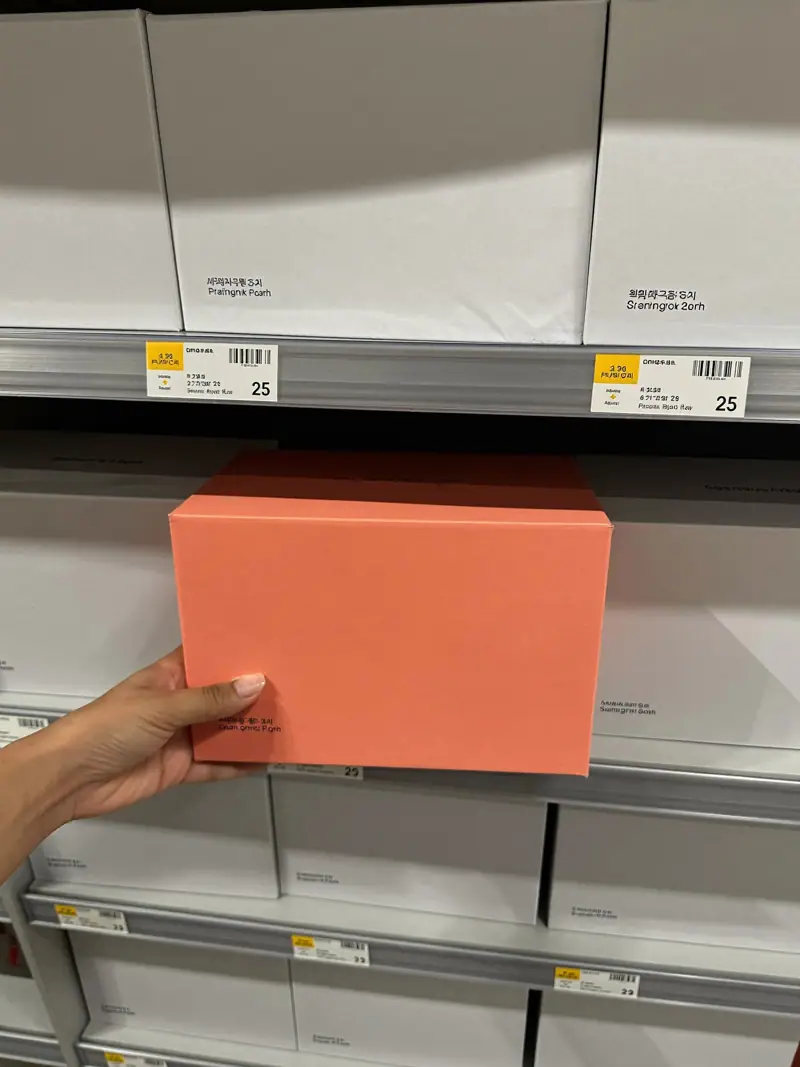
A distinctive feature can disappear in a small digital thumbnail, a low-cost print run or a hurried booth adaptation. Test assets where people will encounter them. A huge logo on a studio wall is not evidence that a subtle pack detail survives a mobile product grid.
Plan for real constraints: short video duration, compressed audio, grayscale reproduction, fabric printing and crowded retail environments. If an asset only works at ideal size with perfect lighting, it may be unsuitable for important touchpoints. Design adaptation rules that preserve recognisable relationships rather than insisting that every surface reproduce the master artwork unchanged.
A retention register for the identity team
Create a register for each candidate element. Record its existing executions, intended recognition role, research result and production constraints. Add examples from the smallest and most awkward formats the business uses. An element that looks strong on a premium presentation might disappear in a distributor catalogue or a small product label.
The register should distinguish a research-backed retention decision from a design preference. Both can matter, but they carry different authority. A founder may love a symbol; a customer study may show that it has little association with the company. The discussion can then address whether to invest in building it, refine it or select something else. Do not disguise preference as market evidence.
Set rules for adaptation rather than just rules for reproduction. A recognisable pack shape may need an approved silhouette for a tiny thumbnail. A sound may need a shorter version for a brief clip. A colour relationship may need print tolerances. These decisions make the asset usable across the communication system.
Include a change log in the handover. Explain why elements were retained and which future changes require reassessment. New agencies and suppliers then inherit the reasoning as well as the files. That reduces the chance that a familiar cue is removed simply because the next creative team wants the work to look different from its predecessor.
Protect the assets buyers already recognise
Bring your current identity and the elements you plan to change. We will discuss an asset assessment and retention brief before the redesign proceeds.
Worked example using fictional numbers
Illustrative example only: 300 eligible buyers see an isolated fictional packaging shape. Ninety associate it with Neral, thirty coded associations point to competitors and the remaining responses contain no identifiable brand. Fame under this task is 90/300, or 30%. If each of the 120 coded brand associations is counted once, the stated uniqueness calculation is 90/120, or 75%. The team retains the shape and improves its linkage to the brand name. These figures demonstrate the chosen convention; they are neither universal thresholds nor client results.
Putting the evidence to work
Audit the asset library and the actual market executions before testing. Include old packaging, campaign films, sonic material, showroom graphics and supplier-created collateral. You may discover that the familiar element is already being used inconsistently. Fixing that can be more practical than commissioning another new signature.\ \ A Quiamo scope could combine asset research, a retention decision, refined art direction and a production-ready guideline. Ask for annotated examples at the sizes and formats you actually need. Keep the research record with the guidelines so a future team understands why something was preserved. Without that context, the next redesign may undo the same decision. Explore how Quiamo approaches brand strategy and communication before defining the scope.
Questions people ask
Does distinctive mean different from everything else?
The relevant question is which brand the element evokes among category buyers. Novelty can help attract attention, but an unfamiliar element may initially evoke no brand at all. Treat it as a candidate to build, rather than an established asset. Repeated clear linkage to the advertiser is part of the practical development plan.
Can a logo count as an asset?
Yes, but distinguish a symbol or visual element from the readable brand name when designing a recognition task. If the name is visible, the respondent may simply read it. A useful test can isolate the symbol, typography treatment or other cue and state exactly what material was shown.
Should we use only the strongest asset?
That depends on the format and the identification job. A strong asset may work independently in some settings; another may need the brand name or a companion element. Keep executions recognisable without overcrowding them. The asset research should inform adaptation decisions, not become a rule that every piece of communication must show every asset.
Where to go next
A redesign should leave buyers with a brand they can still recognise. Bring Quiamo the existing identity, actual market executions and the elements you are considering removing. We can discuss how to assess distinctive brand assets and translate the findings into a practical brief for the next identity or campaign. Contact Quiamo to discuss the brief.

Retain recognition through the redesign
If new identity work has begun, share which familiar elements may be removed. We can discuss a retention decision and usable adaptation rules before production.
Sources
- Brands of distinctionAsset fame and uniqueness as distinct dimensions.
- Distinctive asset measurementAssets can be assessed for brand identification.
Worked examples on this page are fictional and labelled. Search phrases and figures from external sources are cited; nothing here describes a Quiamo client result.