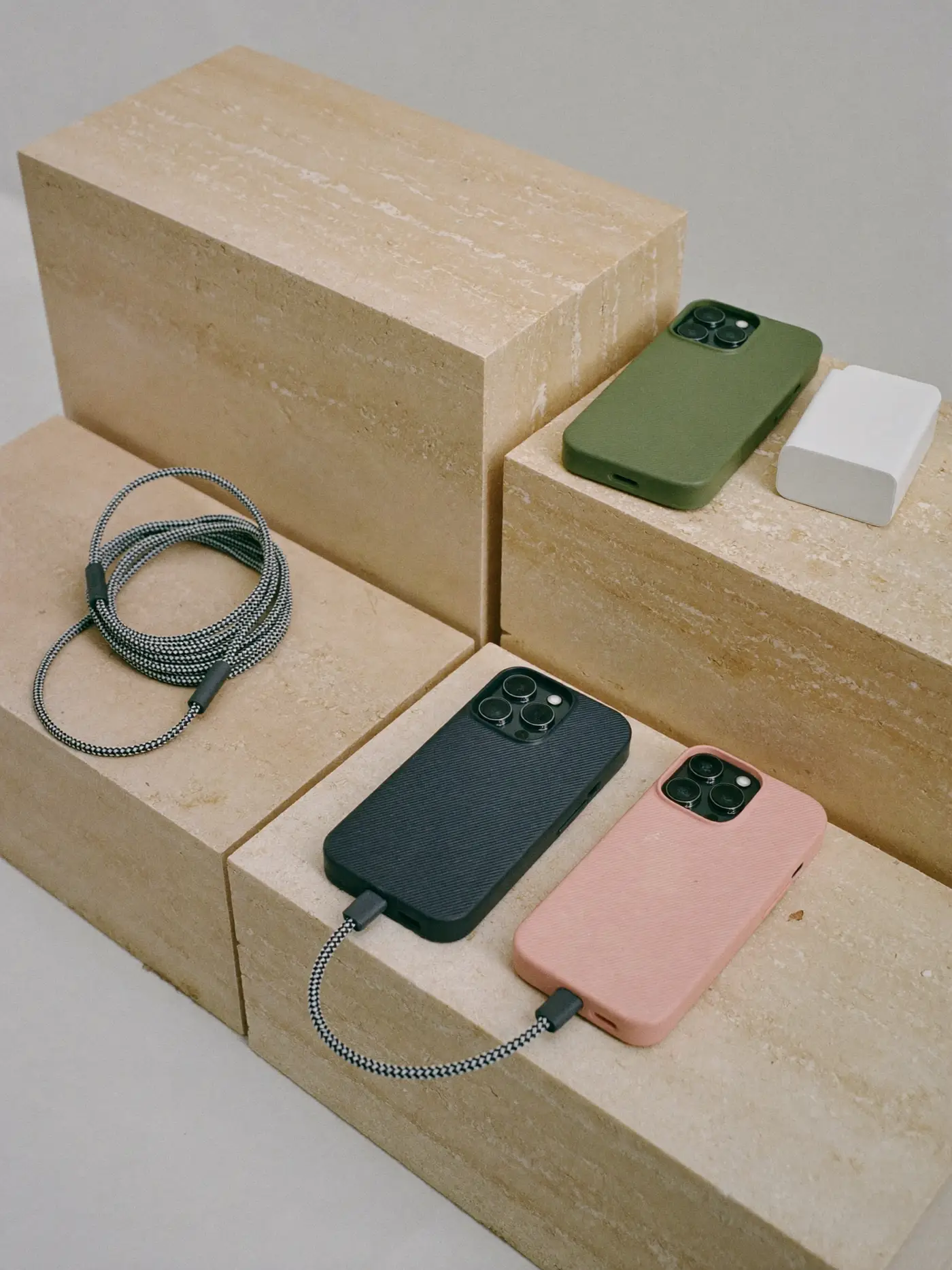

Nobody plans to buy a phone case. They buy one because a new phone is sitting on the kitchen table with no protection, or a cable has frayed at the airport gate, or a charger has been left in a hotel room four time zones away. The decision takes seconds, it happens under mild stress, and it rarely involves loyalty. A smartphone accessory brand has to work inside that moment, and then earn the right to be chosen on purpose next time.
That makes accessories one of the hardest corners of consumer electronics to brand, and one of the most rewarding. Volumes are high, margins can be healthy and the category rewards brands that feel dependable. Here is how we approach it as a mobile accessories marketing agency.
Compatibility first, brand second
The first question every accessory buyer asks is “will it fit my phone?” If your pack or listing makes them work for the answer, they move on. So the model name is the most important line on the box, and it should be treated like a headline, not squeezed into a sticker in the corner.
We design pack architecture so the order of reading is always the same: compatible model, product type, the one benefit that matters, then the brand. That sounds like it demotes the brand. It does the opposite. When a shopper learns that your boxes always answer the fit question instantly, your colour and logo become the shortcut they look for on the next peg.
Phone case packaging design for a range that never stops growing
A case brand might carry forty phone models, six colours and three protection levels. That is hundreds of SKUs, and a dozen new ones every time a manufacturer announces a phone. Phone case packaging design is therefore a system problem before it is a beauty problem.
- A master template with fixed zones for model, colour, protection level and barcode, so your team or your printer can add a new model without redesigning anything.
- Colour coding by protection tier, so slim, everyday and rugged ranges separate on a wall of pegs before anyone reads a word.
- A window or a printed true-to-size image, because buyers want to see the camera cut-out and the edge profile.
- Paper-based structures in place of plastic clamshells wherever the retail format allows, which also photograph far better for listings.
We test each structure with your converter for hanging, stacking and courier survival, and we design the mandatory information and certification marks from content your compliance team supplies.
Charger and cable brand: selling trust in a category built on fear
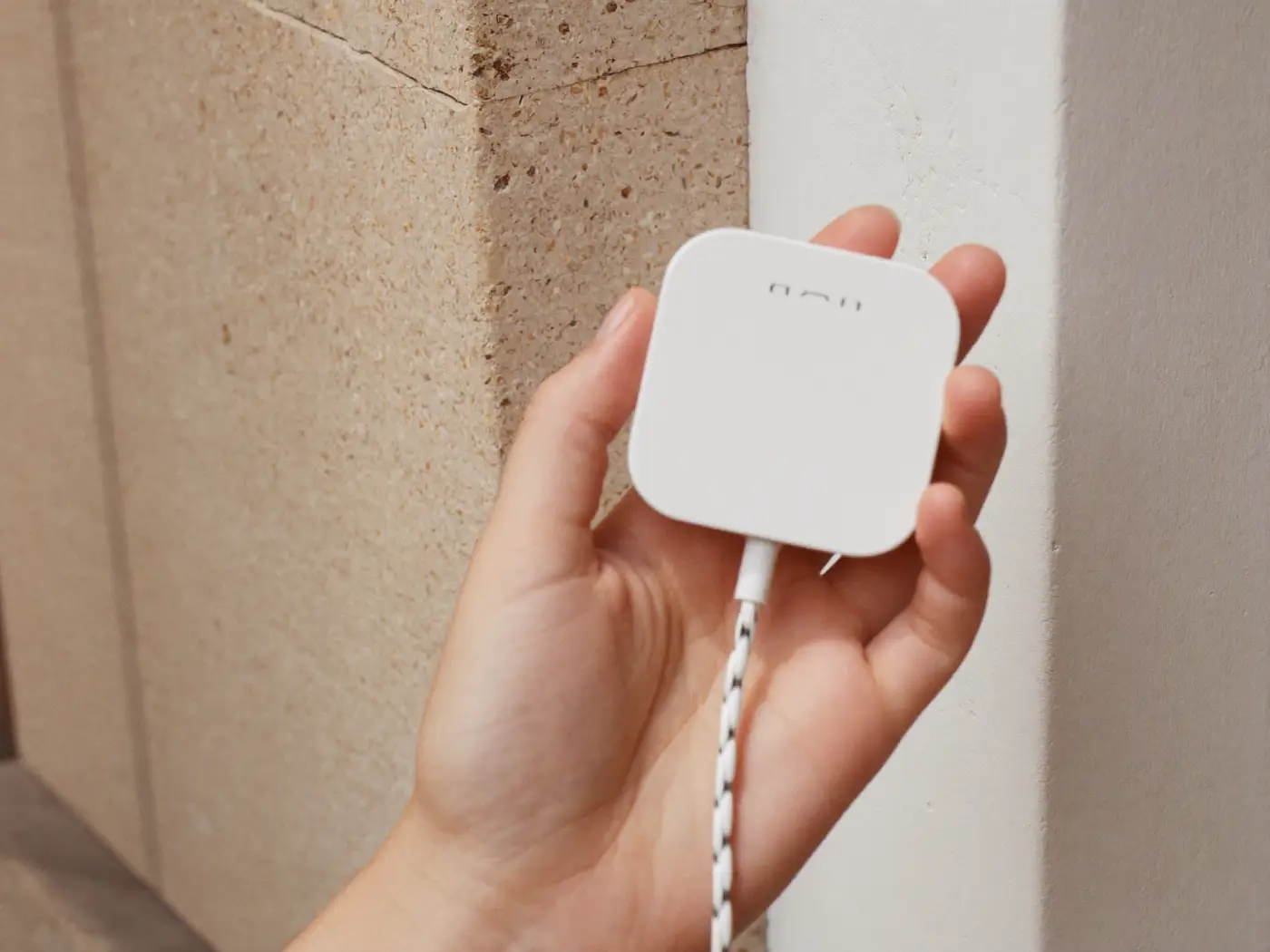
People worry about chargers. They have heard stories about cheap adapters overheating, cables that stop working after a month and fast-charge claims that turn out to mean something else. A charger and cable brand is really selling reassurance, and reassurance is built from specific, honest detail.
We write claims from your test reports, not from competitor packaging. If a cable has been bend-tested, we say how, in words a non-engineer understands. If a charger supports a particular fast-charging standard, we say which phones benefit and which do not. Wattage is explained as time saved on a real phone, not as a large number with no context. The identity follows suit: calm, precise and legible, so the brand looks like the kind of company that reads its own test data.
A new flagship phone is always about to launch. Is your artwork ready for it?
Get the system builtLaunch day runs on someone else’s calendar
Accessory brands live and die by phone launch announcements. The day a new model is revealed, buyers start searching for cases and chargers that fit it, often weeks before the phone reaches their hands. The brands that win that search are the ones with listings already built, images ready and packaging templates waiting for a final dimension.
We set up a launch kit you can reuse every cycle: listing templates, a render and photography workflow that can turn round new model images quickly, pre-written copy blocks and a media plan that switches on as soon as the phone is public. Our Studio can produce accurate product visuals from dimension drawings while physical samples are still on a ship.
Marketplace search is the real shop window
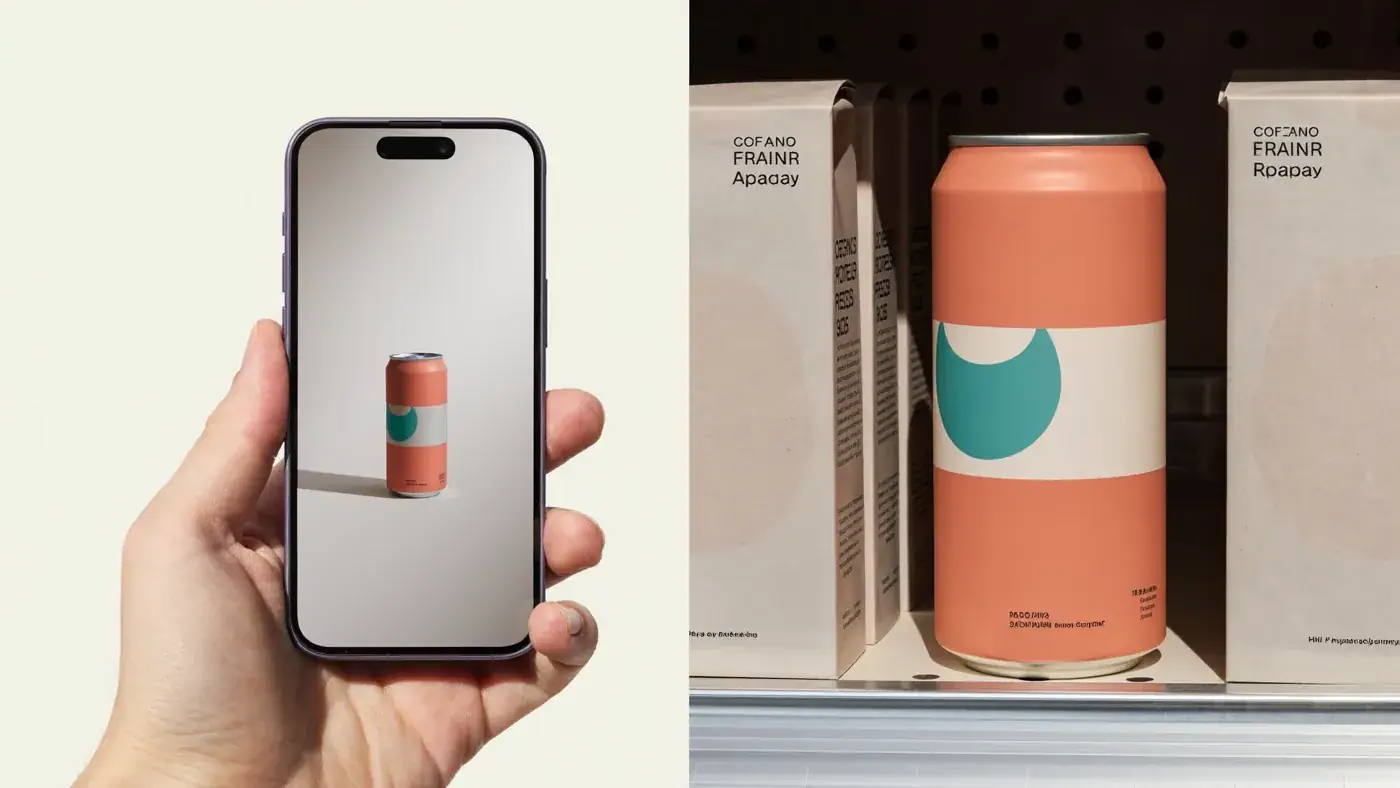
Most accessory purchases start with a phrase like “case for” followed by a model name. The listing that appears first, reads clearly and looks trustworthy at thumbnail size usually wins. We design listing sets for that reality:
- A hero image that shows the product on the right phone, in a colour that stands out from the grey grid.
- A fit image that proves the cut-outs line up, with the model name in large type.
- A protection or performance image with one clear claim, drawn from your testing.
- An in-hand lifestyle image, so the buyer can picture it in a pocket or on a bedside table.
- A what’s-in-the-box image, because nobody wants to wonder whether the cable is included.
Titles and bullet points are written for search and for humans at the same time. Our SEO and AI search team makes sure your own site answers compatibility questions better than any marketplace page does, which matters more each year as buyers ask AI assistants which charger suits their phone.
Power banks, travel adapters and the airport counter
Some of the most profitable accessories are sold in the least forgiving places: an airport kiosk, a railway station stall, a hotel shop, a phone shop counter with three minutes before closing. The buyer is tired, often in a hurry, and looking at a small shelf of unfamiliar brands. Price matters less than certainty. They want to know it will work with their phone, that it is allowed in hand luggage if it is a power bank, and that it will not let them down on the next flight.
We design travel ranges for that state of mind. The capacity is expressed as phone charges on a named model rather than a number in milliamp hours. Travel suitability is stated clearly, using wording your compliance team confirms. The pack is compact enough for a kiosk shelf and strong enough to be read from a queue. A clear colour and a short product name let a returning customer find you again in the next airport, which is exactly how a travel brand builds loyalty.
From commodity to a name people ask for
Most accessory shoppers cannot name the brand of the case on their phone. That is the opportunity. A distinctive colour, a recognisable pattern on the inside of every case, a signature detail on every cable connector: small, repeated choices build recognition in a category where almost nobody bothers. We develop a brand identity that works at the scale of a cable tie and the scale of a retail fixture, and a tone of voice that sounds like a helpful friend at the counter rather than a spec sheet.
Retail matters here too. Accessory walls in electronics stores and phone shops are dense, and a strong peg display or counter unit can do the selling while the staff are busy with a phone contract. We design these alongside the packs so the wall reads as one confident block.
Where accessories fit in a wider electronics brand
Many accessory brands grow into power banks, earbuds or smart home devices. If that is your plan, we build the brand architecture now so the next category feels like a natural step. The consumer electronics overview covers the shared launch and packaging thinking, and audio and wearables is often the next door you knock on.