

A washing machine, an air purifier or a smart lock is bought once and lived with for years. Nobody grabs one on impulse. The purchase is researched on a phone at night, discussed at dinner, compared in a showroom on Saturday and approved by someone who was not in the showroom at all. By the time the box arrives, the household has made a small bet on your brand. Home appliance marketing is about deserving that bet before it is made, and keeping it long after.
This page covers large and small appliances, kitchen appliances and connected smart home devices. The product categories vary widely. What they share is a long, considered decision and a relationship that only starts when the delivery van leaves.
A decision the whole household makes
Appliance buying is rarely one person’s call. One family member researches features, another cares about how it looks in the kitchen, another asks about running costs and service, and a parent or partner signs off the budget. Each of them needs a different piece of reassurance, often from the same product page.
We map these roles early and give each one a clear answer. A comparison table that settles the feature debate. Photography that shows the product in a real home, at real scale. A plain explanation of energy use from the ratings your product team supplies. A service and warranty promise stated in one sentence. When every voice at the dinner table has what it needs, the decision gets made in your favour.
Smart home brand strategy: be the easy one
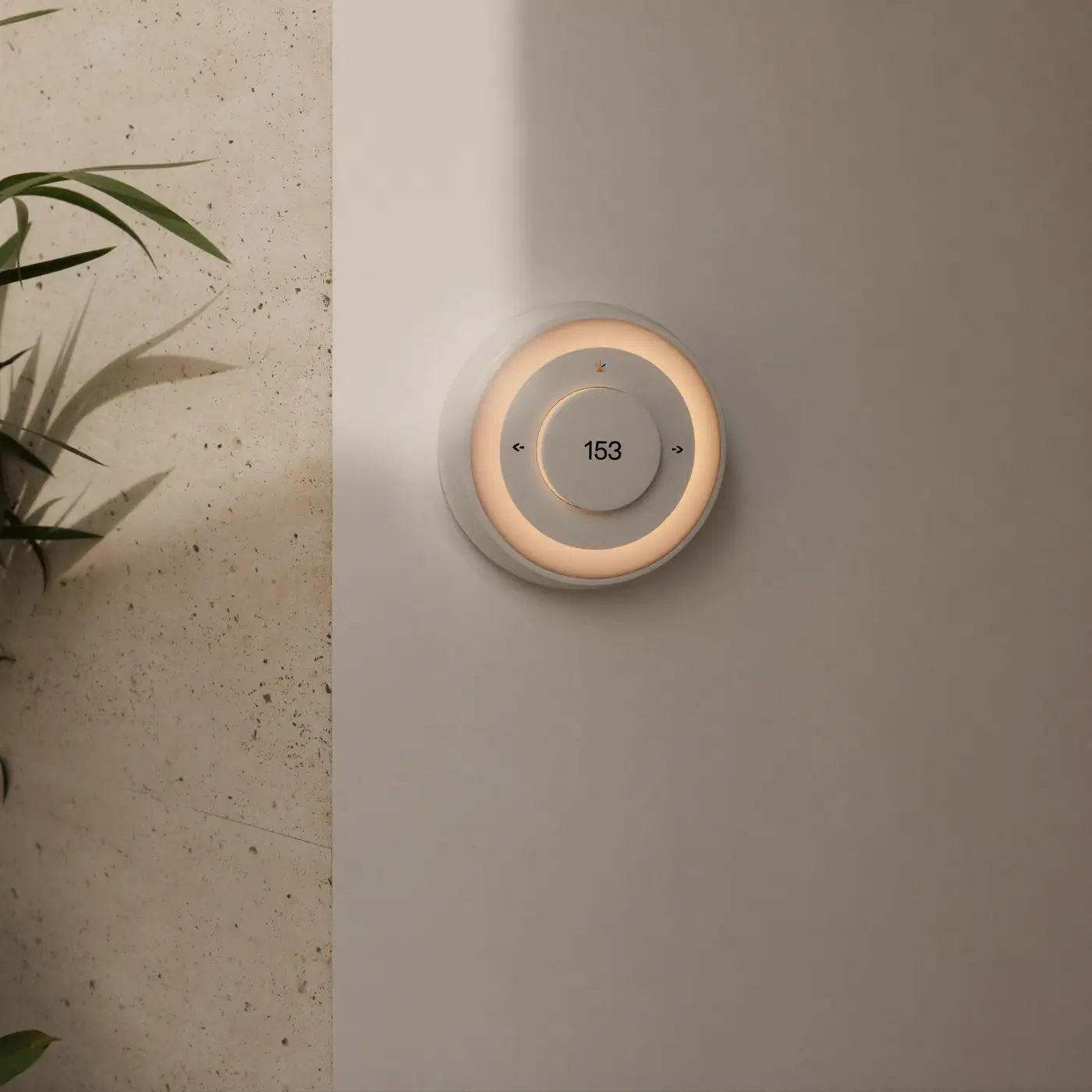
Connected devices carry an extra fear: will this be a hassle? Buyers worry about set-up, apps that stop being updated, compatibility with the speaker or hub they already own, and who else can see their data. The smart home brand that wins is usually the one that feels easiest to live with, not the one with the longest feature list.
A smart home brand strategy therefore makes simplicity visible. We show the set-up in three honest steps. We say clearly which ecosystems the device works with, using information your engineering team confirms. We explain privacy settings in plain language on the product page, not only in the legal policy. And we design the brand so the app, the device light and the packaging all feel like one calm, capable company. That coherence is reassurance in itself.
Kitchen appliance brand: selling what people will cook
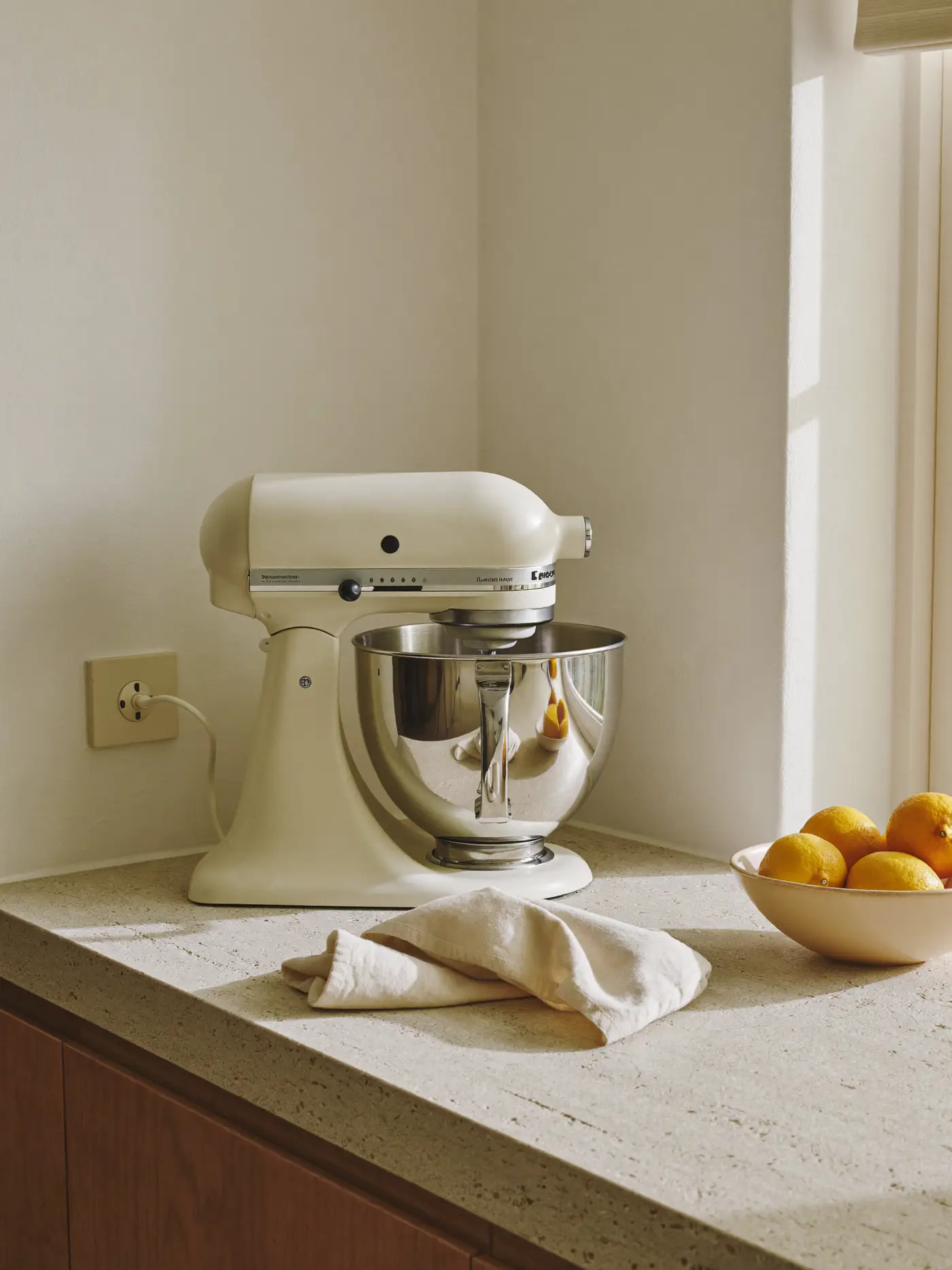
Kitchen appliances are the exception to the rule of rational buying. A stand mixer, an air fryer or a coffee machine is bought partly for the person the buyer hopes to become: someone who bakes on Sundays, eats better on weeknights or makes proper coffee before work. A kitchen appliance brand should sell that life, and back it with specific, useful proof.
We build content systems around recipes and routines rather than features. Short films that show a real dish from start to finish. Recipe cards that ship in the box and live on the website. Creator partnerships with cooks who would use the product anyway. Our Studio produces this kind of food and product imagery constantly, and our food and beverage work keeps the appetite appeal honest.
Is your product page answering the questions asked at the dinner table?
Ask for a page reviewAppliance packaging design for boxes the size of a person
Appliance packaging design is its own discipline. A refrigerator carton is a logistics object first: it must survive forklifts, stacking and weather, and it is usually printed in one or two colours on corrugated board. Yet the same box stands in a showroom aisle, sits on a doorstep for the neighbours to see, and appears in the owner’s first photo of their new kitchen.
- Warehouse legibility. Model, variant and orientation readable by a picker at a distance, in any lighting.
- A brand block that works in one colour, so it stays strong when printed cheaply at large scale.
- A doorstep moment. A clear, confident exterior that looks like a considered purchase arriving, not a crate.
- An opening sequence that puts the quick-start guide first and the product second, because the owner’s first job is to install it.
For small appliances sold on retail shelves and marketplaces, the box works harder as a sales tool, and the thinking on our packaging design page applies in full. We work from energy labels, certification marks and mandatory information your compliance team supplies.
Winning the showroom floor
Walk into any appliance store and you will see rows of nearly identical white and steel boxes, each with a price card and a sticker listing features. The shopper is often guided by a store assistant who represents several brands and has two minutes to explain yours. We design for that assistant as much as for the shopper.
A good showroom kit includes a demo station that invites people to touch the product, shelf cards that state the single reason to choose it, and a one-page staff guide that gives the assistant a sentence they can repeat with confidence. Names and tiers matter enormously here. If your range is called 7K-ST, 8K-ST and 8K-ST+, nobody will explain the difference well. A simple naming logic, built during brand strategy, pays off on every shop floor.
Taking an appliance brand into a new market
Appliance brands often grow by entering new countries, and appliances are unusually sensitive to local life. Kitchens are different sizes. Cooking habits differ. Water hardness, voltage, climate and the way people do laundry all change what a product needs to promise. A brand that simply translates its home-market campaign usually looks like an outsider.
We adapt the positioning to each market’s real routines, test names and claims for meaning in the local language, and have local-language copy written or reviewed by native-speaking colleagues and specialists. Photography is set in homes that look like the buyer’s own home, not a showroom in another continent. The packaging system is built so local information slots in without redesign. The core brand stays the same everywhere; what changes is the evidence that it understands the household it is entering.
After the sale, the brand lives in the manual
Most appliance brands spend heavily to win the sale and then hand the customer a dense manual, a confusing app and a service number. Yet ownership is where loyalty and recommendations are made. The owner who found set-up easy tells their neighbours; the one who spent an hour on hold writes the review.
We design the ownership experience as part of the brand: quick-start guides that use pictures before words, app onboarding in the same voice as the advertising, reminder messages for filters and descaling that sound helpful rather than mechanical, and service pages that are easy to find. These are low-cost changes with a long tail of goodwill.
Content that answers the questions people search
Considered purchases generate searches: which air purifier for a small bedroom, which washing machine uses less water, whether a smart lock works without wifi. Increasingly, people put those questions to AI assistants. The brand that publishes the clearest, most honest answers is the brand those assistants quote. Our SEO and AI search team builds this content around your real product data, and our consumer electronics overview covers the shared launch thinking.