Gamers can spot a marketing department from across the room. They read teardown threads, compare sensor data, argue about switch types on forums and watch three-hour reviews of a mouse. Tell them your keyboard is “built for champions” and they will ask for the latency numbers, then post the answer before you do. A gaming peripherals marketing agency has to start with respect for that audience, or not start at all.
The good news is that this audience rewards brands that treat them as equals. Honest detail, a clear personality and genuine involvement in the scene earn loyalty that lasts across several upgrade cycles. Here is how we approach gaming and PC peripherals.
Why do gaming brands all look the same?
Open any gaming aisle or marketplace page and you will see it: black boxes, sharp angles, a predatory animal in the logo, a slash of red or green, and RGB lighting in every frame. It was distinctive once. Now it is the category uniform, and a new brand that adopts it simply disappears into the wall.
There is plenty of room to be different. Some players want calm, desk-friendly design that looks as good at work as at midnight. Some care about sustainable materials. Some want a brand with humour, or one rooted in a particular game genre or regional scene. The first step in any gaming brand identity is deciding which player you are really for, and having the confidence to leave the others to your competitors.
Gaming brand identity with a real point of view
Once the player is clear, the identity can take a position. That might be a signature colour that owns a corner of the RGB spectrum, a mascot with a story people want to follow, a restrained industrial look for enthusiasts who hate clutter, or a typographic voice borrowed from arcade culture. We develop the logo, colour, type, motion and lighting behaviour together, because in this category the product glows and the brand has to glow with it.
We also design for the places gamers will see your brand most: the software that configures the device, the start-up light sequence, the stream overlay of a sponsored creator, the sticker on a laptop. The full method sits on our brand identity design page.
Talking specs to people who know more than you
Polling rates, sensor models, switch actuation force, latency, weight in grams. Gaming buyers care about all of it, and they will notice a wrong number within minutes. Technical copy here is a trust test, and passing it builds credibility that no campaign line can buy.
- Every figure comes from your engineering team and is checked by them before publication.
- Every figure gets a translation into what a player actually feels: less wrist strain over a long session, a click that registers before you have finished thinking about it.
- Comparisons are fair. We compare against real alternatives on the same terms, or we do not compare.
- Limits are stated. If a mouse is designed for claw grip, we say so. The players it does not suit will thank you, and the ones it does will trust you.
Would your product page survive a forum thread? Let us check before the players do.
Get a straight reviewCommunity-first launches
Gaming launches happen in communities before they happen in advertising. The first mention of a new keyboard is often a leaked photo on a forum or a creator’s teaser, and the conversation that follows decides how the launch lands. We plan for that deliberately:
- Early testers from the community, given prototypes and a real channel for feedback.
- Creator partnerships with people who already play the games your product is built for, briefed on intent but free to say what they think.
- A community home, whether a Discord server or a forum space, run with a consistent voice and a real person answering questions.
- Paid media timed to reviews, so ads amplify a conversation rather than try to start one. We plan and buy media on a flat fee, never a percentage of spend.
Esports marketing that gives something back
Sponsoring a team or a tournament puts your logo on jerseys and stream overlays, but a logo alone rarely changes how fans feel. The best esports marketing gives the scene something it values: better equipment for grassroots players, content that makes pro players look good, a behind-the-scenes series that fans actually want to watch.
As an esports marketing agency partner, we help you choose where sponsorship money works hardest, design the activation from jersey to overlay to social content, and measure what it does for search, community growth and sales rather than just impressions. We are equally comfortable advising you not to sponsor something yet, if the brand is not ready to make the most of it.
Grassroots and regional scenes deserve a special mention. A local league, a university tournament or a community that plays one particular game can be far better value than a headline team, and the fans remember who turned up early. We help you find those communities and show up in a way they welcome.
PC accessories brand for the desk, not only the battlestation
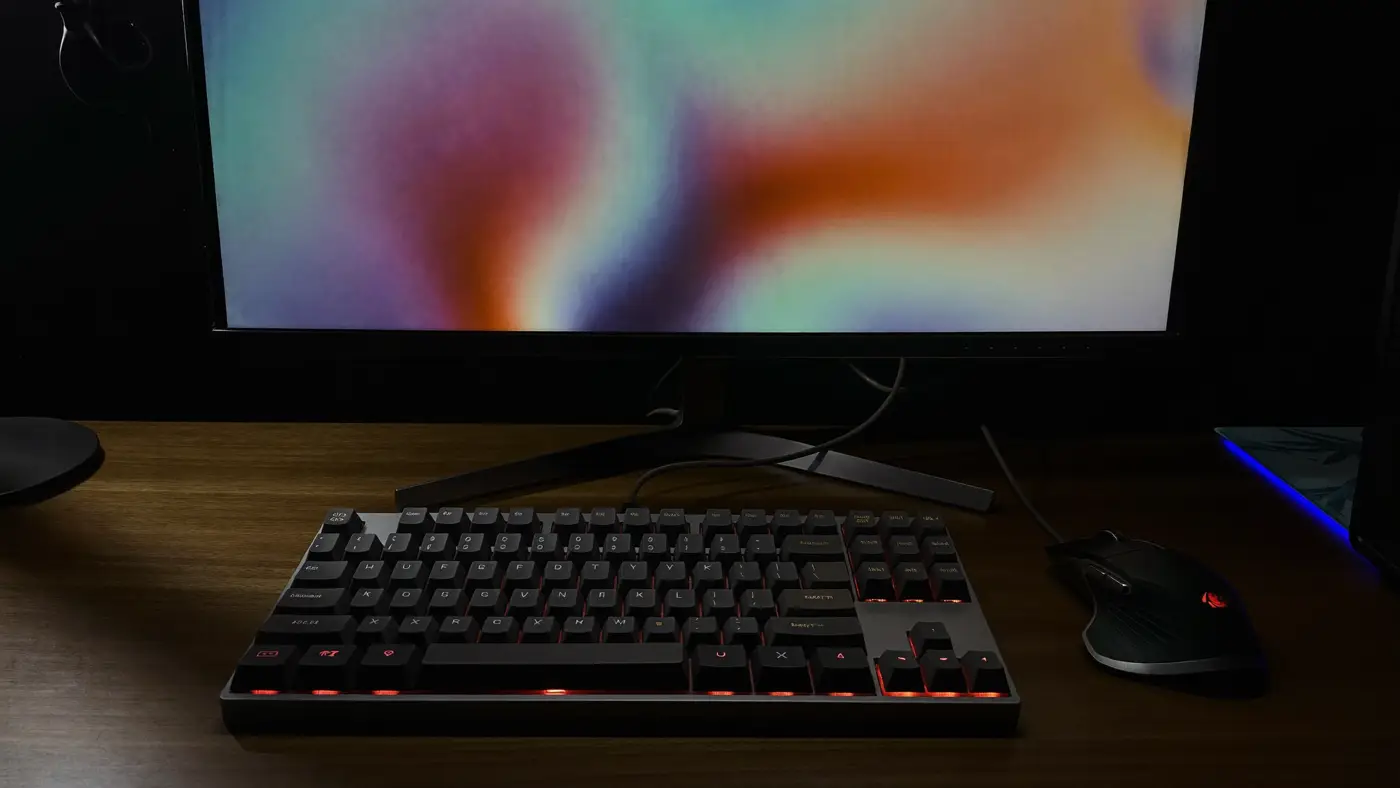
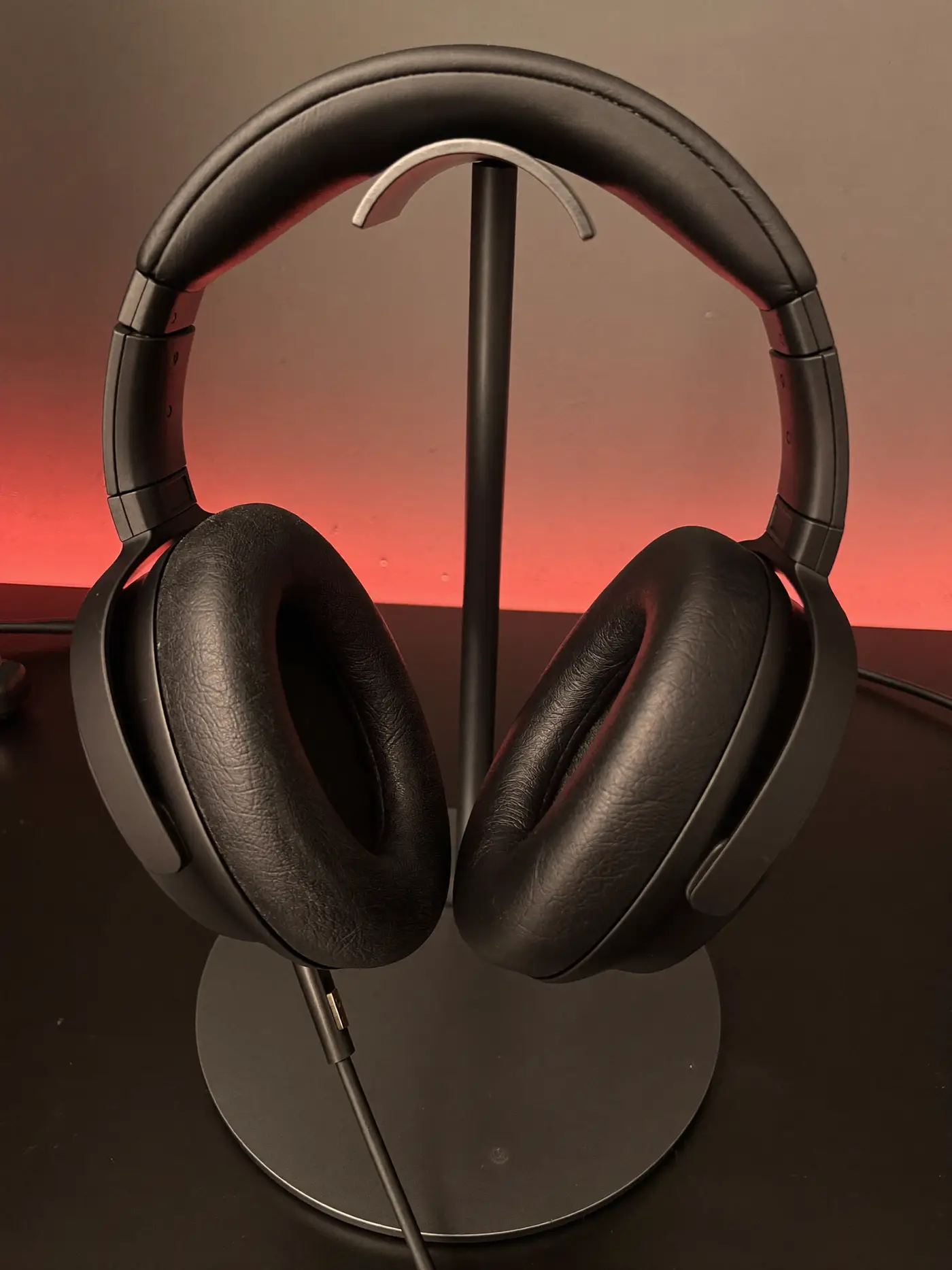
The line between gaming gear and everyday computing has blurred. Many people now work from home on the same desk where they play in the evening, and they want a keyboard, mouse, headset or webcam that suits both. A PC accessories brand can speak to that buyer directly: the designer who wants a quiet mechanical keyboard, the hybrid worker who wants a clear microphone on calls and a good headset for evening matches.
This often calls for a separate range or sub-brand with calmer colours and different messaging, sharing engineering with the gaming line. We build the brand architecture so the two ranges support each other without confusing either audience.
The software is where players live with your brand
After the unboxing, the place a gamer spends most time with your brand is the configuration software. That is where they remap buttons, set lighting, adjust sensitivity and save profiles for different games. Too often it looks like it was designed by a different company, runs slowly and uses language only the firmware team understands. Players notice, and they say so in reviews.
We work with your software team on the visual design, the words and the lighting presets. Preset names that have personality. Lighting effects that express the brand rather than cycling through every colour available. Clear labels for settings, with a one-line explanation for anything technical. First-run screens that get a new owner playing in under a minute. None of this needs a rebuild of the software, and it turns a daily chore into a daily reminder of why they chose you.
Packaging and unboxing on stream
Gaming peripherals are unboxed live, on camera, in front of audiences who comment in real time. The box needs a strong exterior for retail shelves and marketplace thumbnails, a clear specification panel on the back for shoppers comparing models in store, and an opening sequence with a genuine moment in it: the keyboard revealed under a lifted flap, the mouse presented in a moulded cradle, a card with a line that makes a streamer smile. Details on our approach are on the packaging design page, and the wider launch and marketplace thinking is on our consumer electronics overview.